The European Commission is quietly sounding the alarm on a reality that most politicians are too terrified to mention during an election cycle. Even if the current hostilities in the Middle East ceased tomorrow, the era of cheap, reliable energy is not coming back. We are witnessing the permanent dismantling of the global energy supply chain as we once knew it. While market speculators often bet on a "peace dividend" that drops prices the moment a ceasefire is signed, the structural damage to the oil and gas markets is now too deep to be fixed by a simple handshake.
The primary driver of this sustained high-cost environment isn't just the immediate threat of a closed Strait of Hormuz or damaged refineries. It is the systemic shift in how Europe and the West procure their survival. For decades, the global economy relied on "just-in-time" energy, a fragile system built on the assumption that geopolitical stability was the default state of the world. That assumption is dead. We are now entering an era of "just-in-case" energy, where the costs of security, redundancy, and long-term storage are being baked into every gallon of gasoline and every kilowatt-hour of electricity. Meanwhile, you can explore similar events here: The Caracas Divergence: Deconstructing the Micro-Equilibrium of Venezuelan Re-Dollarization.
The Infrastructure Scar Tissue
Markets have a long memory. When a missile hits a tanker or a drone strikes a processing facility, the immediate price spike reflects fear. However, the long-term price plateau reflects risk. Insurance premiums for maritime shipping in the Persian Gulf and the Red Sea do not reset to zero the day a conflict ends. They linger. Underwriters now view these routes through a lens of permanent volatility, and those costs are passed directly to the consumer.
Beyond insurance, there is the physical degradation of the supply route. Major energy firms have spent the last year rerouting assets, signing new long-term contracts with suppliers in the Americas and West Africa, and investing in infrastructure that bypasses traditional flashpoints. You cannot simply flip a switch and return to the old routes. These new supply lines are more expensive to maintain and involve significantly longer transit times. For a continent like Europe, which has spent the last three years frantically uncoupling itself from Russian pipelines, the reliance on liquefied natural gas (LNG) from the United States and Qatar has created a higher price floor that no amount of diplomacy in Tehran or Jerusalem can lower. To see the full picture, check out the detailed article by CNBC.
The LNG Bottleneck
Liquefied natural gas was pitched as the great bridge to a greener future, but it is a bridge with a heavy toll. Unlike piped gas, which flows steadily and relatively cheaply, LNG requires massive capital expenditure. You need liquefaction plants on one end and regasification terminals on the other.
Most of the capacity coming online over the next twenty-four months is already locked into long-term contracts. This means the "spot market"—the place where countries go to buy extra gas when they are short—is incredibly thin. When supply is tight and demand is inelastic, prices stay high. Europe is now competing directly with emerging Asian economies for the same ships. This global bidding war ensures that even in a time of relative peace, the price of gas will remain double or triple what it was in the mid-2010s.
The Death of the Peace Dividend
Historically, the end of a conflict signaled a return to "normalcy." But normalcy is a moving target. In the current geopolitical climate, the European Union has realized that energy dependence is a weapon. The "Green Deal" and the push for renewables, while environmentally driven, are now primarily national security strategies.
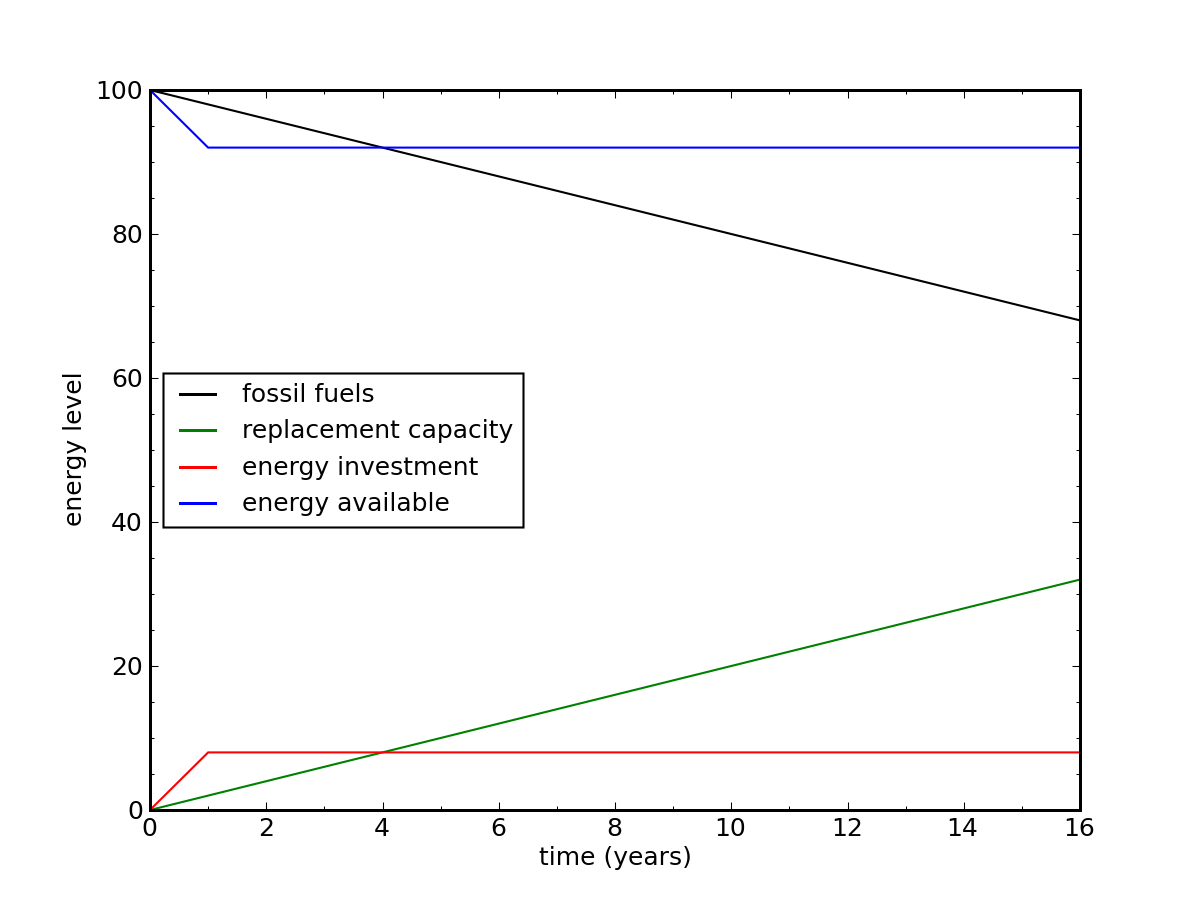
Transitioning an entire continent’s energy grid is not a cheap endeavor. The capital required to build out wind, solar, and nuclear infrastructure is being diverted from the very budgets that used to subsidize energy costs for the working class. We are paying a "security premium" on our monthly bills. This is the hidden tax of the 21st century.
Why Refineries Won't Lower Prices
There is a common misconception that if crude oil prices drop, the price at the pump follows immediately. This ignores the "crack spread"—the difference between the price of a barrel of crude and the petroleum products refined from it. Global refining capacity is stretched to its absolute limit.
For years, Western nations have disincentivized the building of new refineries due to environmental regulations and the long-term goal of phasing out internal combustion engines. This has created a bottleneck. Even if we had a surplus of "cheap" Iranian or Saudi oil, we don't have enough spare capacity to turn it into gasoline and diesel fast enough to saturate the market. The result is a permanent disconnect between the price of oil on the New York Mercantile Exchange and the price you pay at the local station.
The Invisible Hand of Strategic Reserves
Governments around the world have spent the last two years draining their Strategic Petroleum Reserves (SPR) to blunt the impact of price spikes. This was a short-term political fix with long-term economic consequences.
Those reserves must be refilled.
When the US or the EU enters the market to buy tens of millions of barrels to replenish their emergency stocks, they create a massive "artificial" floor for demand. They are essentially competing against their own citizens for the available supply. This restocking process will take years, providing a constant upward pressure on prices regardless of whether there is an active shooting war in the Middle East.
The Role of OPEC+
We must also address the reality that the major oil-producing nations have no incentive to see prices return to "normal." Countries like Saudi Arabia require oil to stay above $80 a barrel to fund their massive domestic diversification projects.
OPEC+ has learned that they can maintain high revenues by producing less oil. They have moved away from the "market share" strategy of 2014 and toward a "value over volume" strategy. They are watching the West's struggle with inflation and interest rates with calculated indifference. For them, a war ending doesn't mean it's time to open the taps; it means it's time to recalibrate their quotas to ensure the price doesn't collapse.
The Inflationary Feedback Loop
Energy is the "input of all inputs." When the cost of moving a truck increases, the cost of the bread inside that truck increases. When the cost of heating a greenhouse increases, the cost of the tomatoes inside increases.
The EU’s warning isn't just about fuel; it’s about the embedded inflation that high energy prices have already forced into the global economy. Wages have begun to rise to keep up with the cost of living, which in turn forces companies to keep their prices high. This cycle is incredibly difficult to break. Even if energy prices dipped for a month, the structural costs of labor and logistics have already been reset at a higher level.
The Myth of Modern Diplomacy
There is a lingering hope among some analysts that a "Grand Bargain" involving Iran, the US, and regional powers could flood the market with millions of barrels of previously sanctioned oil. This is a fantasy.
The Iranian oil industry has suffered from years of underinvestment. Their infrastructure is crumbling. To bring Iranian production back to levels that would actually move the needle on global prices would require hundreds of billions of dollars in Western investment and a decade of specialized engineering. In the current climate, no major oil firm is going to risk that kind of capital on a regime that could be sanctioned again after the next election cycle.
Managing the New Reality
The era of volatility is the new baseline. For businesses and households, the strategy can no longer be "waiting for prices to go down." They won't. The focus must shift toward efficiency and localized generation.
Companies that are surviving this transition are those that have moved away from high-heat industrial processes or have invested heavily in their own behind-the-meter power solutions. On a macroeconomic scale, nations that are doubling down on nuclear energy are the ones that will eventually see a stabilization of costs, but those projects take twenty years to realize.
The public is being fed a narrative that the pain is temporary. It is a lie of omission. While the peaks of the price spikes might flatten as conflicts de-escalate, the valley—the lowest price we can expect to see—has been permanently elevated. We are not returning to the price levels of 2019. The world has changed, the supply lines have shifted, and the cost of security has been added to the bill.
Stop looking at the tickers for news of a ceasefire as a sign of financial relief. Start looking at the structural deficit in refining and the permanent shift to LNG. That is where the real story lives. The "war" on your wallet will continue long after the actual guns go silent, because the peace we are heading toward is one defined by scarcity, not plenty.