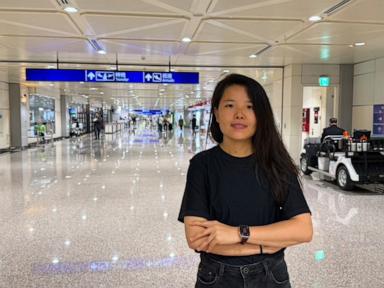
When a defense lawyer representing a targeted religious minority finds themselves stranded mid-transit in Taipei begging for emergency political asylum, the media treats it as a standard human interest drama. Headlines flash urgency. Commentators wring their hands over state crackdowns and institutional overreach.
They are missing the entire point.
The story of legal advocates fleeing the mainland via Taiwan transit hubs is not just another depressing data point in a failing geopolitical climate. It exposes a systemic, rotting failure in how the international community handles high-risk human rights defenders. We have built an emergency architecture that relies on panic, media optics, and chaotic airport limbo rather than cold, calculated institutional readiness.
I have watched organizations blow millions on reactive emergency fundraising while ignoring the structural failures staring them in the face. Let's strip away the sentimentality and look at how human rights defense actually collapses under pressure.
The Myth of the Safe Transit Corridor
The lazy consensus among advocacy groups is that reaching a democratic threshold like Taiwan or a Western consulate solves the immediate crisis. Step off the plane, flash your credentials as a persecuted lawyer from a high-profile case like the Zion Church crackdown, and let the bureaucratic gears of asylum grind safely forward.
This is dangerous naivety.
Transit zones are legal gray spaces designed to expedite commerce, not handle state-level dissidents. When an advocate lands in an airport transit lounge without a pre-arranged, airtight multilateral agreement, they aren't safe; they are floating in a jurisdiction vacuum. Host governments face immediate diplomatic friction. Neighboring superpowers exert quiet pressure. The lawyer becomes a geopolitical hot potato.
Imagine a scenario where an advocate’s passport is flagged digitally before their physical feet even touch the tarmac. That is not a hypothetical dystopian thriller; that is routine modern border administration. Relying on the goodwill of a transit hub during a layover is a strategy born of desperation, not competence.
Why Legal Defense Networks Are Structurally Flawed
Let us define the core mechanism at play here. In jurisdictions under authoritarian pressure, the state does not just target the dissident; it systematically eliminates the proxy firewall. When authorities go after legal counsel representing independent congregations—revoking licenses, freezing assets, or filing spurious counter-charges—they are destroying the last line of civic defense.
International NGOs respond with predictable choreography. They issue stern press releases, appeal to the United Nations, and scramble to find emergency relocation grants.
It fails because it is entirely reactive.
You cannot out-maneuver a coordinated state apparatus with a GoFundMe page and a panicked phone call to an immigration lawyer in Taipei. True operational security requires redundant identity creation, decentralized funding streams, and pre-negotiated safe-house vectors long before a midnight knock on the door forces a frantic dash to the airport.
The Uncomfortable Truth About Asylum Tourism
Nobody wants to admit the ugly economics of modern political migration. Western nations love the optics of granting asylum to persecuted religious lawyers, but their actual consular processing speeds are glacial. They want heroes, but they treat them like administrative burdens.
When a lawyer flees mid-transit, they are gambling that their public profile will protect them from being quietly bounced back to where they started. That gamble works until it doesn't.
If we want to protect those who defend targeted groups, we must stop treating emergency flight as an acceptable contingency plan. Emergency flight is what happens when every single preventative layer has already failed.
Stop funding reactive airport rescues. Build encrypted, cross-border professional protections before the licenses are revoked and the tickets are bought under duress.