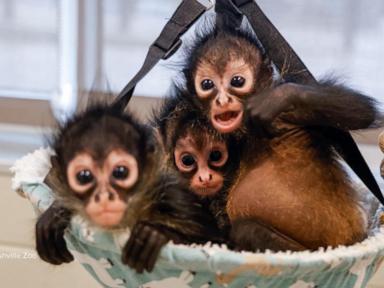
Three tiny Mexican spider monkeys named Miso, Matcha, and Mei recently arrived at the Nashville Zoo, but their journey there exposes a brutal underground economy. Law enforcement rescued these infants after poachers illegally ripped them from the wild for the exotic pet trade. Most people see a cute viral video of a monkey in a diaper and think it looks adorable. They don't realize the sheer violence required to get that baby into a living room.
The reality of wildlife trafficking is grim. To capture an infant spider monkey, poachers usually have to kill the mother. Mothers will fight to the death to protect their babies. Once the mother is dead, the clinging infant is torn away, packed into a crate or smuggled across borders in terrible conditions. Many do not survive the transit. Those that do arrive malnourished, traumatized, and completely unequipped for a domestic life.
The Crisis Facing Mexican Spider Monkeys
Mexican spider monkeys face severe population declines. The International Union for the Conservation of Nature lists them as endangered. Habitat destruction fragments their forests, but the illegal pet trade delivers a completely avoidable blow. People want wild animals as status symbols. They buy them online or through shady black-market dealers without understanding what keeping a primate actually entails.
Primates aren't domesticated cats or dogs. They possess high intelligence, complex social structures, and immense physical strength. As they mature, baby monkeys turn destructive and defensive. Untrained owners quickly realize they cannot manage a wild animal. Abandonment, neglect, or surrender to overwhelmed sanctuaries usually follows.
How Accredited Facilities Step In
Places like the Nashville Zoo do heavy lifting through partnerships with the Association of Zoos and Aquariums and the Wildlife Confiscations Network. When law enforcement seizes trafficked animals, these specialized networks step in to provide secure placement. Zoos with accredited primate habitats give confiscated wildlife a permanent home where experts can manage their behavioral and medical needs.
Reintroducing these specific animals back into the wild is rarely an option. Hand-raised infants miss critical socialization from their troop. They lack the survival skills taught by wild parents. Facilities provide structured troops, proper nutrition, and extensive medical care to ensure they live out their lives safely.
Spotting the Signs of Wildlife Trafficking
Traffickers often rely on social media to peddle illegal pets. Platforms are constantly playing catch-up with accounts posting videos of baby exotic animals out of context. If you see a primate wearing clothes, sitting at a dinner table, or acting like a human toddler, you are looking at evidence of illegal wildlife smuggling.
Consumer demand keeps the cycle spinning. As long as people pay money for wild pets, poachers will keep shooting mothers in the canopy.
What You Can Do Right Now
Stop scrolling past wildlife crime. You can take direct action to protect endangered species today.
- Never purchase wild animals: Refuse to buy exotic pets, no matter how legal the seller claims the transaction is.
- Report illegal listings: Flag social media accounts or online marketplaces advertising wild primates, exotic cats, or protected reptiles.
- Support accredited sanctuaries: Donate directly to organizations partnering with wildlife enforcement networks to house confiscated animals.
- Spread awareness: Talk about the dark reality behind exotic pet videos so your peers stop treating wildlife like entertainment.