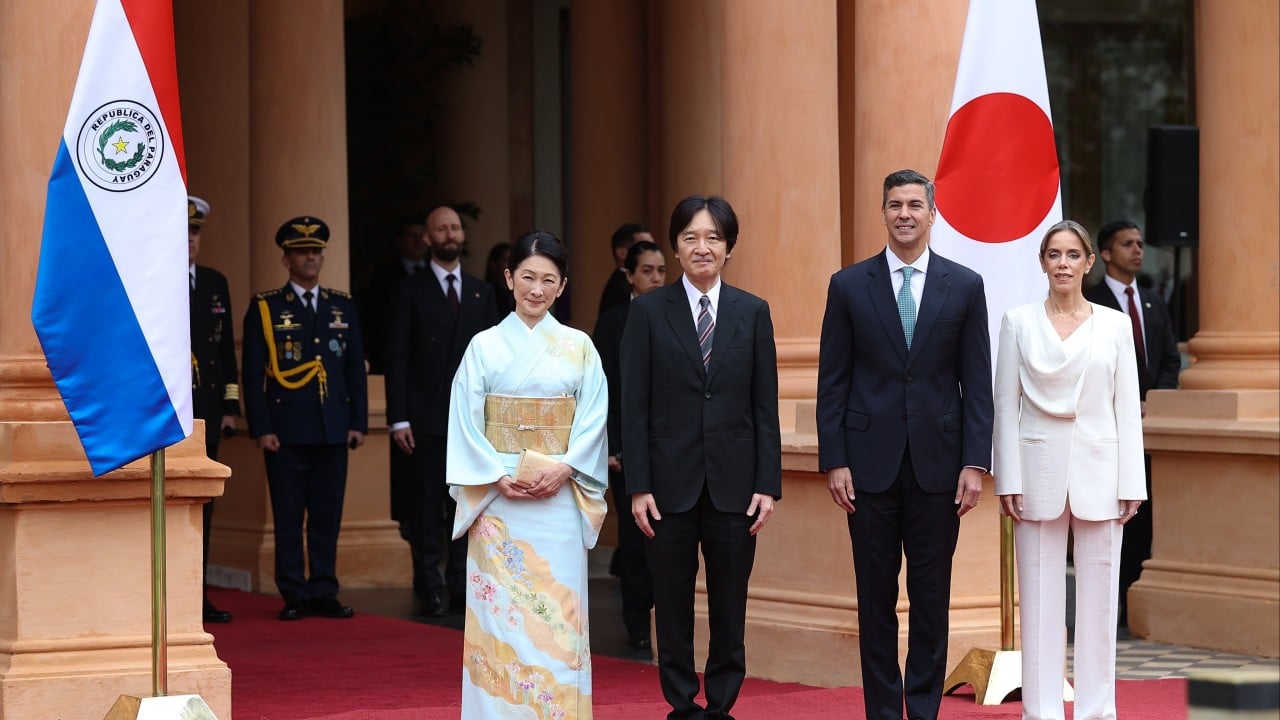
Royal diplomacy isn't just about waving from luxury cars. When Crown Prince Akishino and Crown Princess Kiko touched down in Asunción, they weren't simply ticking boxes on an international itinerary. They arrived to mark a massive milestone: ninety years of Japanese immigration to Paraguay.
If you think this is just standard diplomatic filler, look closer at the roots. Back in 1936, the first wave of Japanese settlers carved out the La Colmena colony from absolute wilderness. That raw, grueling beginning laid the groundwork for a Nikkei community that now exceeds ten thousand people. These families didn't just survive; they completely transformed local agriculture and economic development.
Why Ninety Years of Nikkei History Matters Now
History books often gloss over South American migration patterns, focusing heavily on North America or Europe. That is a mistake. The narrative of Japanese settlers in Paraguay is a masterclass in grit.
When the first pioneers arrived ninety years ago, they faced isolation, unfamiliar soil, and immense logistical hurdles. They didn't have modern conveniences or government hand-outs. They had to build roads, clear dense forests, and invent new farming methods suited for the region.
Today, the impact is visible everywhere. Walk through agricultural hubs like La Colmena or Yguazú, and you see the enduring footprint of Japanese ingenuity. The community integrated deeply while preserving a distinct cultural bridge between Tokyo and Asunción.
During their current tour, the Imperial couple met with first-generation survivors and younger descendants. Hearing stories from ninety-year-old pioneers like Naoyuki Toyotoshi—a former ambassador and first-generation immigrant—puts human weight behind official state visits. These aren't abstract geopolitical stats. They are stories of human endurance.
Beyond Ceremony Infrastructure and Modern Diplomacy
State visits need substance to matter. Tokyo didn't just send the Crown Prince to shake hands with President Santiago Peña; they backed the relationship with concrete actions.
Take the recent commissioning of the DRM-5 Paraguay dredger. Funded and donated by the Japanese government, this heavy-duty vessel went straight to the National Navigation and Ports Administration. Why does a dredger matter? Because landlocked Paraguay relies heavily on riverways for trade and economic survival. Keeping those waterways clear is critical infrastructure work. Japan knows this, so they delivered a functional asset rather than empty promises.
This mutual support goes both ways. Crown Prince Akishino explicitly used his platform in Asunción to thank Paraguay for stepping up after the devastating March 2011 earthquake and tsunami in northeastern Japan. When nations face crises, true partners show up. Paraguay did.
What Most People Miss About Modern Japan Paraguay Relations
Most casual observers assume that ties between distant nations are purely transactional—driven by trade agreements or voting blocs at the United Nations. But the Japan-Paraguay relationship proves that long-term human connection runs deeper.
Diplomatic relations officially began way back in 1919. Over a century later, that partnership has evolved into a strategic alliance. Yet, the beating heart of the connection remains the Nikkei diaspora.
When Crown Princess Kiko wore a white hat adorned with a handcrafted pink lapacho flower made of traditional Nanduti lace upon arrival, it wasn't random fashion. It was a deliberate nod to local heritage. Details like that build trust. They show that visiting dignitaries understand the nuances of the culture hosting them.
If you want to understand how international relations actually succeed, look at communities on the ground. It is ordinary families, farmers, and local leaders who keep the diplomatic engine running long after the royal planes fly home.


