Geopolitical rhetoric frequently substitutes legal impossibility with theatrical posturing, yet the underlying mechanics of energy chokepoints remain governed by physical geography and maritime law rather than unilateral declarations. When political leadership asserts sovereignty over a vital global transit corridor such as the Strait of Hormuz, it ignores the structural realities of international maritime boundaries, supply chain elasticity, and the cost functions of energy markets. Deconstructing this positioning requires evaluating the precise vectors of control, the economic trade-offs of blockades, and the systemic limits of naval coercion.
The Structural Mechanics of Maritime Chokepoints
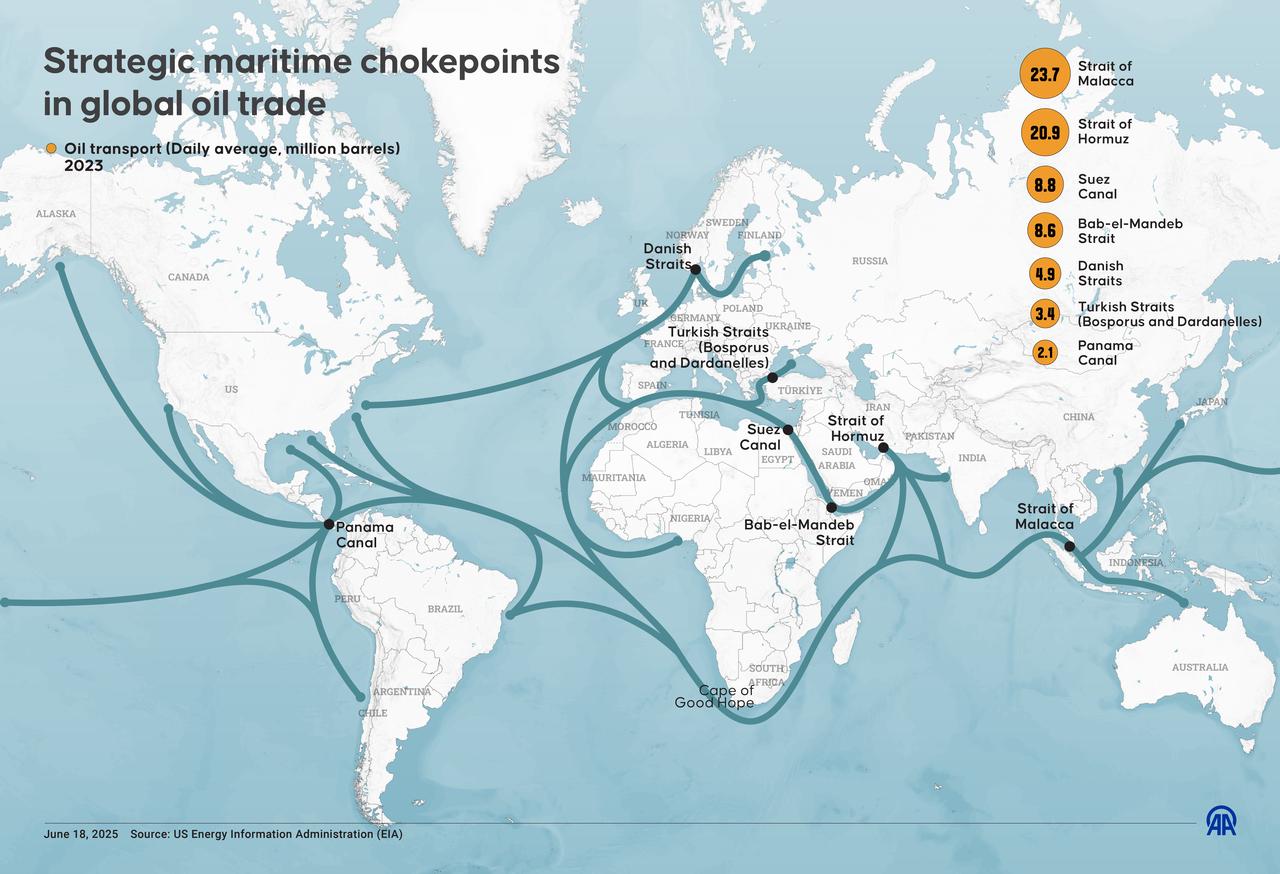
The Strait of Hormuz represents a narrow aquatic bottleneck through which roughly a fifth of globally traded petroleum and liquefied natural gas passes daily. Sovereignty over such corridors is legally bound by the United Nations Convention on the Law of the Sea, specifically regarding transit passage through international straits. Territorial assertions that ignore these legal architectures face immediate structural frictions: You might also find this connected story insightful: The Weight of Silence Between Beirut and Rome.
- Geographical Symmetry: The waterway is bounded by the coastlines of Oman and Iran, leaving no corridor under unilateral control without violating sovereign borders or international waters.
- Transit Dependency: Global trade relies on the uninterrupted flow of tankers; any attempt to alter the legal status of the waters invites immediate retaliatory compliance failures from international shipping registries and allied nations.
- Asymmetric Denial Capabilities: Control over a chokepoint is fundamentally a function of sea denial rather than sea ownership. Surface declarations of territorial acquisition do not eliminate subsurface or shore-based anti-ship threats.
The divergence between political declaration and physical reality creates a governance vacuum. When a state claims ownership of an international transit zone, it assumes the financial and military liability for its continuous clearing, a burden that escalates exponentially over time.
The Cost Function of Energy Interruption
A naval blockade deployed as an instrument of strategic coercion introduces severe macroeconomic externalities. The strategy relies on restricting petroleum extraction and transit to inflict fiscal damage on a target state, but this mechanism generates an inevitable domestic and global price feedback loop. As reported in detailed reports by USA Today, the results are notable.
Domestic fuel inflation acts as an unlegislated tax on consumer purchasing power. While political messaging attempts to reframe elevated pump prices as a direct contribution to national security objectives, the macroeconomic mechanism operates independently of political rhetoric:
- Refining Bottlenecks: Disrupted crude inputs force refineries to re-route feedstock, increasing operational overhead and retail prices.
- Electoral Sensitivity: Energy price spikes compress consumer disposable income, triggering immediate shifts in voter behavior during midterm cycles.
- Global Market Leakage: Crude oil is globally priced; restricting supply from one zone elevates benchmark indices universally, neutralizing targeted pricing advantages.
Attempting to absorb these costs while maintaining a prolonged blockade requires sustaining domestic political tolerance for inflation. As the duration of the interdiction extends, the tolerance curve drops precipitously, eroding the coalition required to support prolonged military postures.
Diplomatic Mediation Versus Coercive Overreach
Bypassing formal diplomatic channels in favor of maximum pressure campaigns often accelerates fragmentation among regional allies. When primary actors attempt to negotiate separate understandings for safe passage—such as discussions facilitated via regional intermediaries like Oman—unilateral threats directed at those mediators destabilize the coalition architecture.
The strategic tension manifests in two competing operational models:
- The Unilateral Interdiction Model: Relies on continuous naval presence, coercive secondary sanctions, and total maritime exclusion, incurring high resource expenditure and diplomatic isolation.
- The Regional Accommodation Model: Relies on localized transit agreements, joint administrative frameworks among Gulf states, and phased de-escalation to restore flow.
The friction between these models explains why broad declarations of ownership fail to alter the ground reality. Regional stakeholders prioritize trade continuity over distant strategic ambitions, creating incentives to architect workaround corridors or side agreements that render unilateral mandates unenforceable.
Execute the transition from coercion to institutional risk management by decoupling the non-proliferation objective from the legal fiction of maritime annexation. Redirect diplomatic capital toward formalizing multilateral transit protocols with regional partners, thereby securing energy flows without absorbing the unsustainable fiscal and political costs of enforcing an illegitimate territorial claim.


