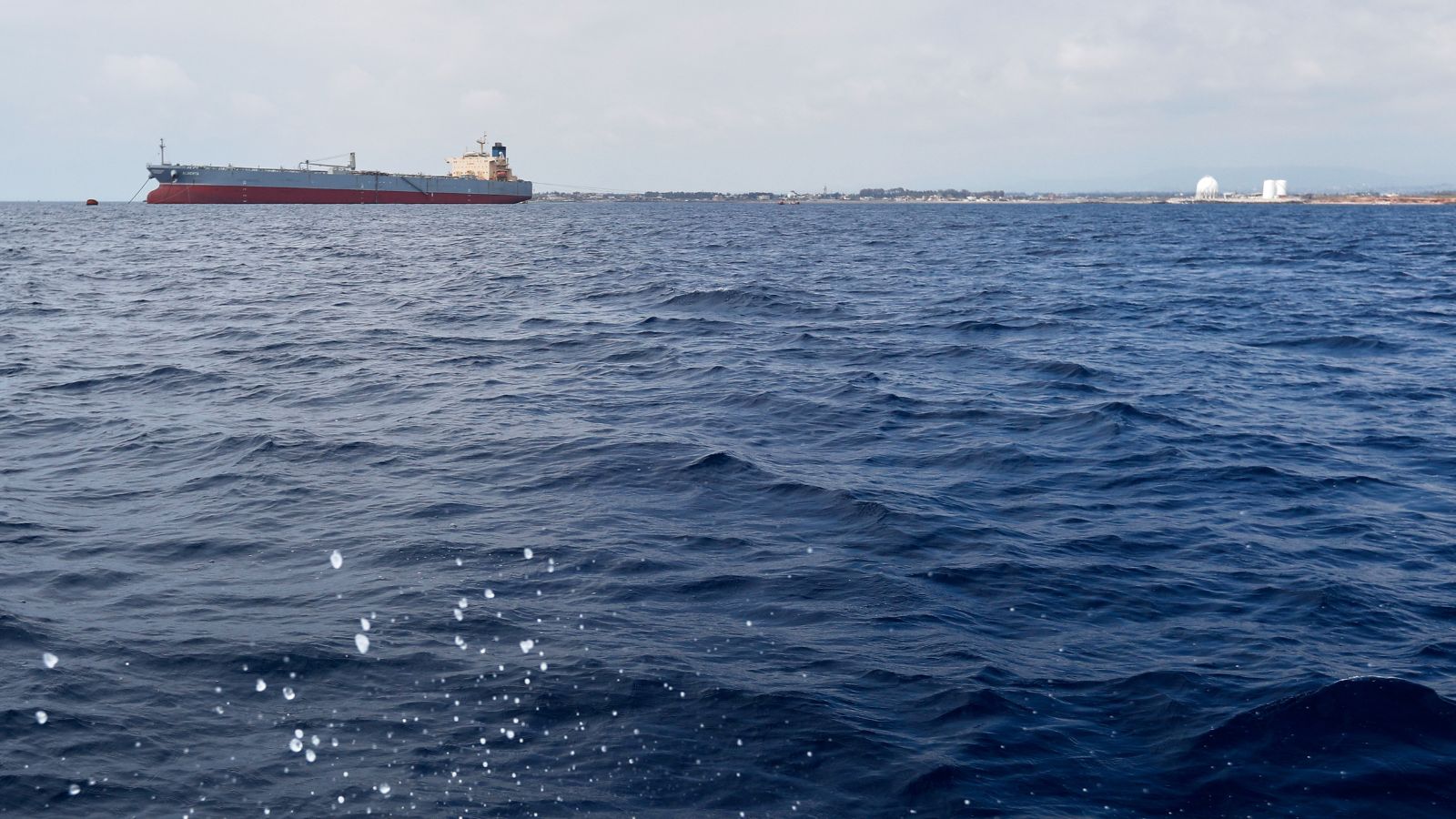
The North Sea is a grey, churning wall of noise. To a human standing on the shore of the Netherlands, it sounds like static. To a minke whale, it is a hall of mirrors. Somewhere in that vast, freezing expanse, the creature we named Timmy lost his way. He didn’t just take a wrong turn; he wandered into a nightmare of shallow sandbanks and receding tides that turned his liquid world into a crushing, air-filled prison.
When a whale strands, the clock doesn't just tick. It screams. Imagine your own body weight suddenly multiplied by ten, your ribcage collapsing under the sheer gravity of your existence because the ocean is no longer there to hold you up. That was the reality for this juvenile minke. For weeks, the headlines gave us the dry data: location, estimated weight, tide charts, and biological classifications. But if you stood on that beach, the data evaporated. You were left with the smell of salt spray and the haunting, rhythmic thud of a tail hitting wet sand—a sound of pure, prehistoric exhaustion. If you liked this piece, you should check out: this related article.
The Human Cost of the Watch
There is a specific kind of madness that takes hold of a rescue crew in these moments. These are men and women who understand the ocean better than their own backyards, yet they find themselves humbled by a biological puzzle they can’t force into a solution.
Consider the lead rescuer—let’s call him Elias. Elias hasn't slept in forty-eight hours. His wetsuit is chafing his neck raw, and his hands are so numb they feel like wooden blocks. In the official reports, Elias is a "responder." In reality, he is a man whispering to a three-thousand-pound wall of blubber, praying that the next wave doesn’t roll the animal onto its blowhole. For another perspective on this story, see the recent update from Reuters.
The stakes aren't just environmental. They are deeply, uncomfortably personal. When you look into the eye of a minke whale, you don't see a "specimen." You see a conscious mind trying to calculate its own survival. Every time the tide went out and left Timmy exposed, the crew felt a collective failure. It wasn't about conservation statistics anymore. It was about the fact that if this whale died, a piece of the world’s mystery died with it, right there in the mud.
The Invisible Barriers
Why couldn't he just swim away? It’s the question every bystander asked.
The North Sea is a treacherous playground for a whale accustomed to the deep Atlantic. Minke whales rely on a sophisticated internal map, but human-made noise—from shipping lanes to wind farm construction—creates a fog of acoustic pollution. To Timmy, the shoreline wasn't a boundary; it was a ghost. He was swimming through a world where the floor kept rising to meet him.
The rescue wasn't a single heroic moment. It was a grueling cycle of "almosts." Every time the tide rose, the team hoped the whale would find the deep channel. Every time, he circled back, disoriented by the very currents that should have been his escape route. Science calls this "site fidelity" or "disorientation due to bathymetry." The rescuers called it heartbreak.
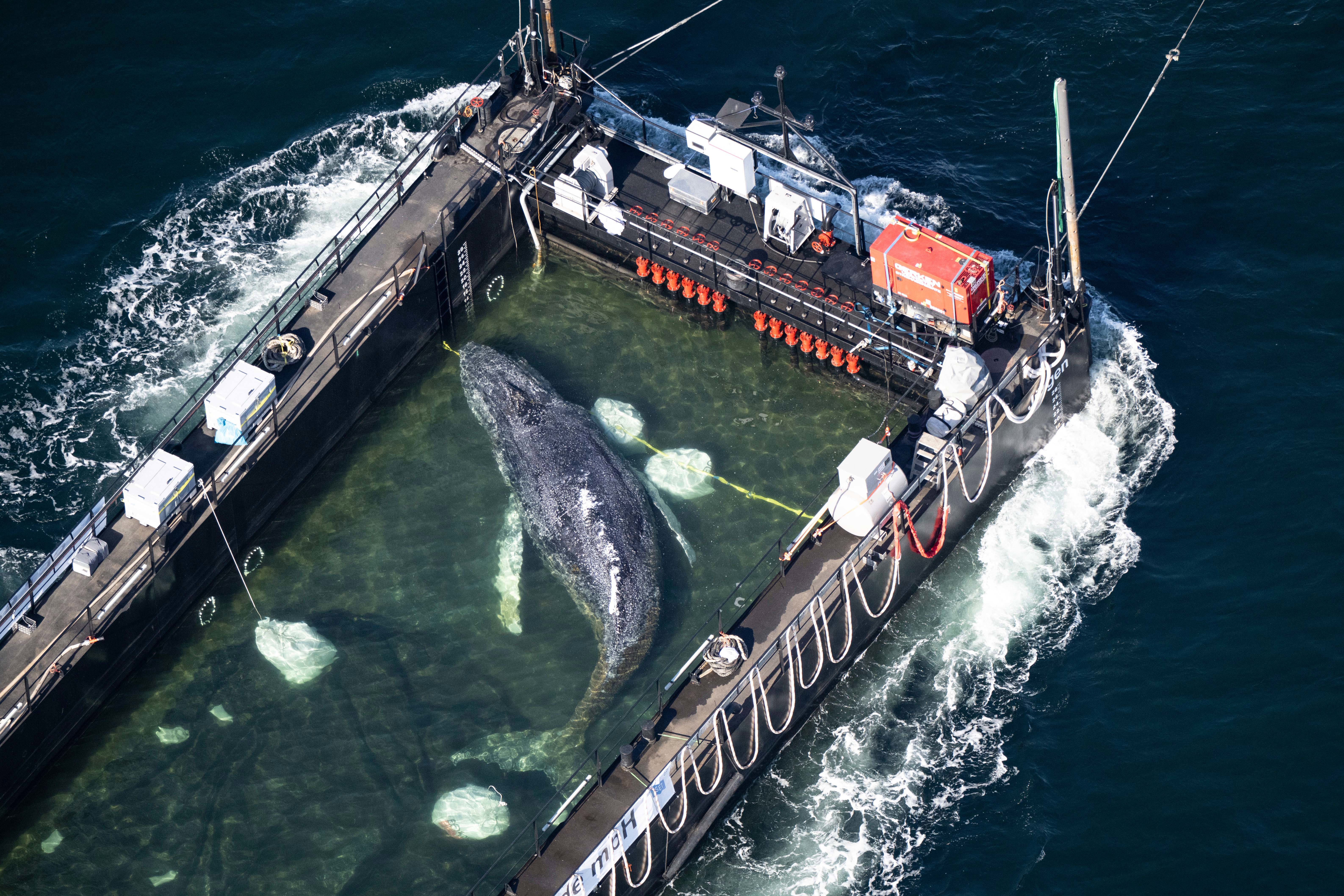
Logistics are the enemy of empathy. To move a whale, you need more than just good intentions. You need specialized pontoons, heavy-duty slings, and a fleet of vessels that can navigate shallows without grounding themselves. You need a window of weather that doesn't exist in the North Sea in late autumn. The team had to balance the risk of the whale's certain death against the very real possibility of a rescuer being crushed by a panicked animal or swept away by a rip tide.
The Great Release
Success in the wild is rarely cinematic. There were no cheers when the final transport began. There was only a tense, vibrating silence.
The plan was a gamble: lift Timmy into a specialized cradle, transport him miles out past the treacherous sandbars, and drop him into the black, deep water where his internal compass might finally reset. As the crane lowered him into the swell, the rescuers held their breath. If he sank, the weeks of labor were for nothing. If he turned back toward the shore, he was a dead whale walking.
The moment he hit the water, he didn't bolt. He bobbed for a second, a dark shape against the charcoal waves. Then, with a single, powerful sweep of his fluke, he vanished.
He didn't look back. He didn't thank anyone. He simply reassumed his place in the shadow world below the surface.
The Echo in the Water
We like to think we saved Timmy. The truth is more complicated. We corrected a mistake that our world—our noise, our shipping, our interference—likely caused in the first place. The celebration of his release is tempered by a cold realization: there are hundreds of Timmys out there, navigating a sea that is becoming increasingly loud and increasingly shallow.
The rescue wasn't just a win for a single minke whale. It was a desperate act of atonement. It was a group of shivering humans standing on a deck, watching a ripple disappear into the horizon, hoping that for once, the ocean would keep its own.
As the boats headed back to the harbor, the wind picked up. The grey static of the North Sea returned. The whale was gone, leaving behind nothing but a set of empty slings and a group of people who would go home to warm beds, unable to shake the feeling of that cold, wet skin under their palms. They had touched the deep, and for a few weeks, the deep had looked back.
The ocean is wider tonight, and somewhere in the dark, a seven-ton heart is beating in the deep, exactly where it belongs.