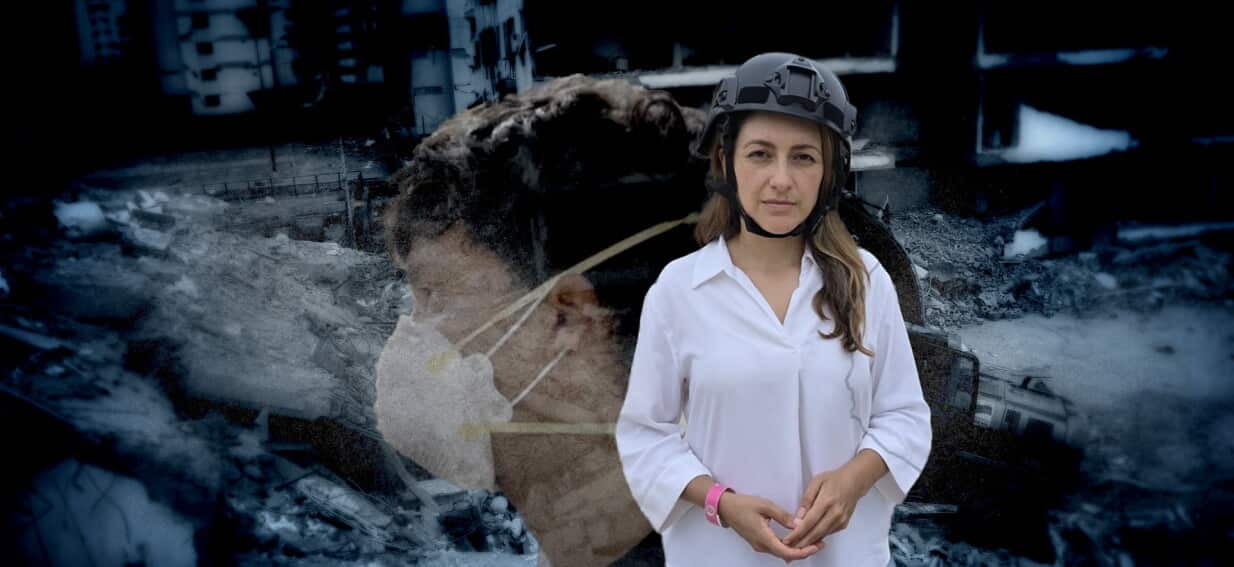
The ground in northern Venezuela stopped shaking weeks ago, but the real catastrophe is just getting started. On June 24, 2026, a brutal pair of strike-slip earthquakes hit the country just 39 seconds apart. The twin shocks registered at magnitudes 7.2 and 7.5, tearing through the San Sebastián fault system. It is the most violent seismic event the nation has seen since 1900, leaving an estimated $37 billion in direct damages.
Right now, the official death toll stands at 3,535. Top lawmaker Jorge Rodríguez recently updated the tally, confirming 16,740 injuries and 17,854 people completely homeless. But if you think those figures tell the whole story, you're missing the grimmest reality on the ground.
While the state focuses on these specific metrics, the United Nations estimates that up to 50,000 people remain entirely unaccounted for under the mountains of rubble. International rescue teams are already packing up and leaving. The search for survivors has essentially transitioned into a massive cleanup operation, leaving families to dig through concrete with their bare hands just to find their relatives.
The Massive Gap in Official Statistics
When you look at the government data, the numbers seem precise. They aren't. Health Minister Carlos Alvarado clarified that the official death and injury counts only reflect casualties actually recorded at hospitals. If a body is buried under a collapsed twelve-story apartment building in San Bernardino or flattened in a barrio in La Guaira, it doesn't count yet.
The physical geography of the disaster explains why the numbers keep jumping. The first shock hit near Yumare in Yaracuy state. The second, much larger rupture ripped eastward toward Caracas at speeds of over three kilometers per second. It peaked offshore near Catia La Mar, blasting the coastal state of La Guaira with violent intensity.
Entire neighborhoods built on steep, unstable hillsides simply slid into oblivion. In La Guaira alone, roughly 100 large buildings completely collapsed. Because these coastal towns feature dense, informal housing networks, knowing exactly who was home when the afternoon quakes hit is nearly impossible.
The official tally of 17,854 homeless people only accounts for individuals whose homes are completely gone. It ignores the broader housing failure. Data from independent assessments shows that an additional 28,300 homes are structurally compromised and completely uninhabitable. That puts the actual number of displaced citizens well over 60,000.
The Growing Crisis in the Displacement Camps
Right now, survival doesn't mean safety. More than 12,800 people are packed into 80 official temporary shelters across Caracas and La Guaira. The rest are sleeping in improvised camps in public parks, parking lots, and directly on asphalt streets.
Living in these camps introduces a secondary wave of danger. Dr. Mauricio Cerpa Calderon, an adviser to the Pan American Health Organization (PAHO), points out that these makeshift sites create severe health hazards. Overcrowding, terrible ventilation, and fractured water infrastructure mean that disease outbreak isn't a possibility—it's an absolute certainty.
The immediate medical focus has shifted away from trauma surgery toward preventative disaster medicine. The primary threats right now include:
- Waterborne illnesses like severe diarrhea and cholera due to contaminated supply lines.
- Respiratory infections spreading rapidly through cramped, shared tents.
- Vector-borne diseases, particularly dengue, thriving in stagnant water near ruins.
- Vaccine-preventable outbreaks including measles, diphtheria, and tetanus from rubble injuries.
PAHO and the World Health Organization have scrambled to supply technical guidelines and specialized body bags to prevent contamination. They even set up three massive refrigerated containers at the port of La Guaira and two regional crematoriums just to manage the sheer volume of deceased individuals arriving daily.
Politics and the Sluggish Relief Effort
Frustration on the streets of Caracas and the coast is boiling over. Everyday Venezuelans are openly calling the state response late, disorganized, and highly politicized. During the crucial first 48 hours after the disaster, official broadcasts failed to communicate the scale of the destruction or name the affected states.
Instead of opening immediate channels for international aid, authorities heavily restricted information. They even blocked several volunteer-led missing persons platforms and digital donation networks.
Acting President Delcy Rodríguez has repeatedly defended the administration's actions, claiming that security forces deployed instantly. The government recently announced the creation of a brand-new military unit dedicated strictly to future disaster management. For the families sleeping on mattresses in the rain outside La Esperanza cemetery, structural military reforms next year don't do anything to solve the lack of clean food and water today.
Because state mechanisms failed to scale quickly, civil society had to step up. Neighbors built spontaneous community kitchens. Local church networks became the primary distribution hubs for medicine. It's a decentralized, chaotic effort, but it's currently the only thing keeping thousands of families fed.
How to Help the Ongoing Relief Effort
If you want to support the people affected by the disaster, don't rely on generalized state donation channels. The most effective way to provide immediate relief is by routing support through verified international agencies and independent non-governmental organizations operating directly on the ground.
Focus your contributions toward organizations with active logistics networks in La Guaira and Miranda states. The International Rescue Committee and UN agencies are currently scaling up services inside the largest camps. They need funding specifically for mobile water purification units, field hospital supplies, and direct cash assistance for displaced families. Avoid sending physical goods unless you're part of an organized regional shipment, as the port infrastructure at La Guaira remains heavily congested and prioritized for heavy machinery.
The coming months will require a massive shift from emergency aid to long-term reconstruction. With direct damage estimates sitting at $37 billion, rebuilding the fractured San Sebastián coastal infrastructure will take years. Keeping international attention focused on the actual displacement numbers, rather than just the state's minimized metrics, is vital to securing sustained global aid.