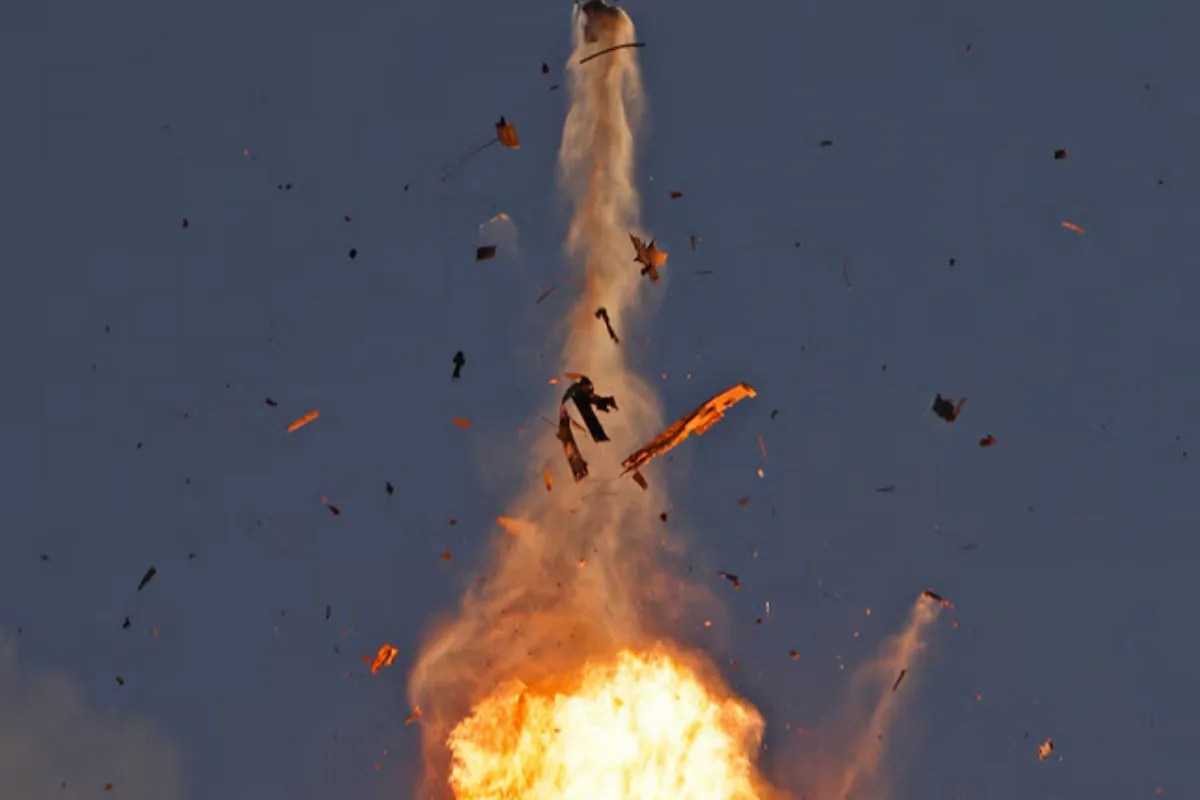
Military aviation accidents don't just happen in a vacuum. When an Indian Air Force AN-32 transport aircraft burst into flames while attempting to land at the Jorhat Air Force Station in Assam, the immediate focus naturally went to the tragic loss of five service members. It is a devastating blow for the force. Yet, the rapid response from Abu Dhabi highlights a deeply rooted geopolitical reality that often goes unnoticed by the casual observer.
The United Arab Emirates Ministry of Foreign Affairs did not just send a standard, boilerplate diplomatic note. They publicly declared deep solidarity with India, expressing explicit grief over the deaths of Squadron Leader Prashant Singh, Flight Lieutenant Shubham Kumar, Sergeant Jitendra Sharma, Agniveer Vayu Khemaram Kumawat, and Agniveer Vayu Danish Alam. For those tracking the evolution of Middle Eastern diplomacy, this quick gesture shows how tight the strategic bond between New Delhi and Abu Dhabi has actually become.
The Harsh Reality of the AN-32 Fleet
You cannot talk about this accident without addressing the elephant in the hangar. The Antonov AN-32 is a workhorse. It has flown logistics, cargo, and humanitarian missions across India's most brutal terrains for decades. The twin-engine Soviet-designed turboprop is rugged, handles high altitudes like a champ, and has been the backbone of remote air maintenance.
But the fleet is getting old.
The accident at the Rowriah airbase in Jorhat happened around 10:00 am during a routine landing. While the co-pilot miraculously survived and is fighting for his life in a hospital, five other air warriors had no chance when the aircraft caught fire on touchdown. It brings back painful memories of the 2019 crash in Arunachal Pradesh, where 13 personnel died.
The Indian Air Force currently operates roughly 100 AN-32s. The Ministry of Defence is openly pushing the Medium Transport Aircraft programme to phase out both these and the aging IL-76 fleet. It is a necessary upgrade. Modern warfare and logistical demands require airframes that are easier to maintain and far less prone to catastrophic mechanical failure during routine maneuvers. A court of inquiry will pinpoint exactly what failed in Assam, but the underlying issue of aging hardware remains a massive challenge.
Reading Between the Lines of UAE Diplomacy
Why does a crash in northeast India prompt an immediate official statement from the UAE? It is about much more than simple courtesy.
Historically, Gulf nations maintained a highly transactional relationship with India, centered mostly on oil imports and blue-collar labor migration. That old dynamic is dead. Today, the UAE and India share a Comprehensive Strategic Partnership. They coordinate closely on maritime security in the Indian Ocean, share intelligence on counter-terrorism, and participate in complex joint military exercises.
When Abu Dhabi releases a statement mourning the loss of Indian military personnel, including young Agniveers, they are signaling that India's defense apparatus matters to them. It is a public acknowledgment of shared vulnerability and shared grief. In diplomacy, choices like this are deliberate. They reinforce a message to the rest of the world that Abu Dhabi stands firmly alongside New Delhi, even during localized military operational tragedies.
What Needs to Happen Next
The immediate next steps for the defense establishment are practical and urgent. Air base managers must ensure full cooperation with the newly formed court of inquiry to figure out whether the fire was sparked by structural fatigue, a landing gear failure, or sudden environmental variables.
For the broader policy apparatus, the focus must shift entirely toward speeding up the acquisition of newer transport aircraft. Relying on decades-old airframes puts incredible strain on maintenance crews and risks the lives of highly trained personnel. If you want to honor the crew lost in Assam, accelerating the modernization of the transport fleet is the only meaningful way to do it. The strategic partnerships are secure, but the wings that carry the soldiers need to be just as reliable.