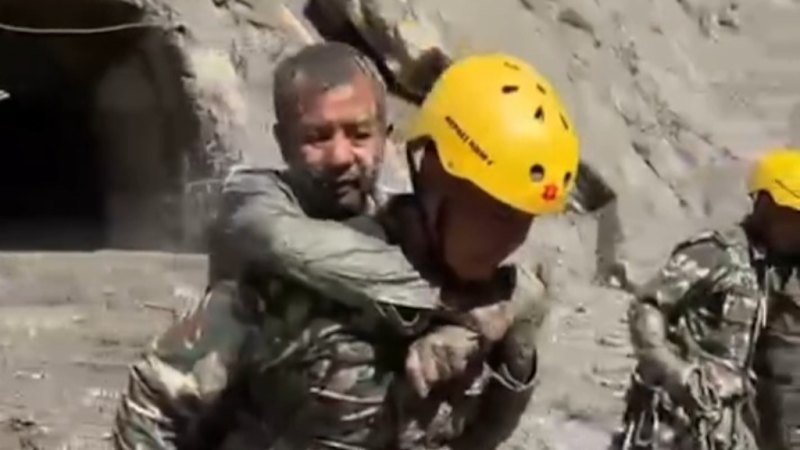
Every time an overflowing glacial lake in the Himalayas triggers a downstream disaster, the media rolls out the exact same predictable script. We get breathless reports of heroic rescue efforts resuming after a temporary halt, dramatic helicopter footage of stranded tourists, and pious warnings about climate change turning mountain passes into water hazards. It is a lazy, comforting narrative. It lets governments off the hook and reduces a systemic engineering failure to an act of God.
The standard media coverage of floods in the Nepal-Tibet border region treats these events as sudden, unpredictable tempests that catch authorities flat-footed. That premise is false. These glacial lake outburst floods, commonly known as GLOFs, leave distinct geological footprints years before a single drop of water breaches a moraine wall. We are not dealing with sudden natural surprises. We are dealing with institutional negligence masked by emergency response theater.
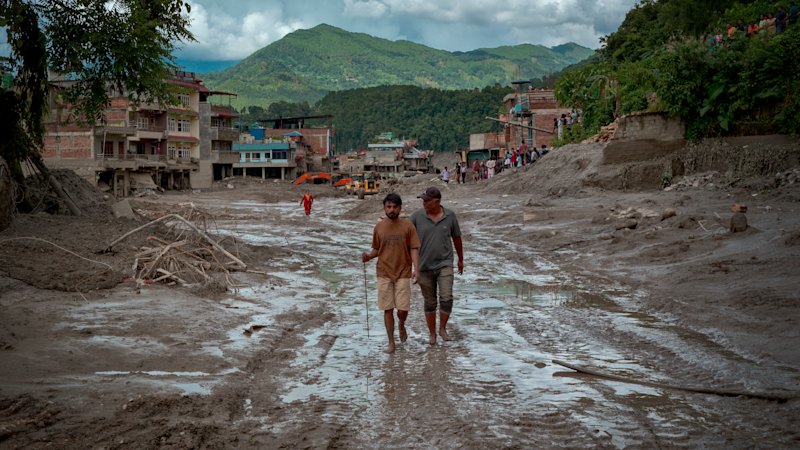
When a rescue operation has to pause because a swollen lake is still spilling over its banks, the crisis did not begin when the rain started or the ice melted. It began decades ago when planners decided to build critical infrastructure, roads, and settlements right in the active deposition zones of known high-risk watersheds without proper hydraulic modeling or early-warning telemetry.
The Anatomy of a Manufactured Crisis
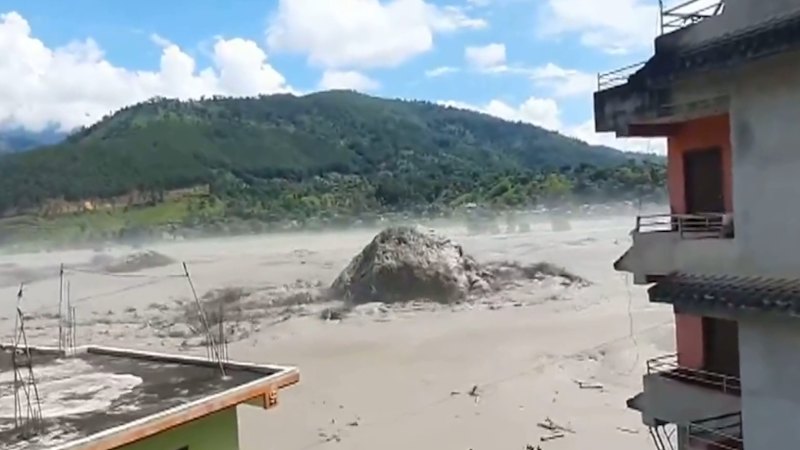
Look at the mechanics of how these rescue efforts actually operate on the ground. When a barrier lake breaches, the ensuing wall of water and debris moves with terrifying velocity through narrow river gorges like the Arun or Bhote Koshi. Helicopters are grounded because of zero-visibility turbulence and fierce mountain downdrafts. Ground crews cannot move because access roads are sheared away within the first ten minutes of the surge.
The media focuses on the courage of the rescue teams resuming operations once the peak flow drops slightly. They miss the core economic and policy failure. Pumping millions of dollars into post-disaster rescue and recovery while ignoring upstream risk mitigation is like running back into a burning building with a bucket instead of checking the wiring.
I have watched regional emergency budgets get squandered on flashy rescue hardware while simple, proven engineering controls—like siphoning high-risk glacial lakes or constructing robust check dams—are starved of funding. Governments love rescue operations because they look good on the evening news. Prevention is invisible. Prevention does not get a politician a photo op on an incoming helicopter.
Dismantling the Climate Scapegoat
Climate change accelerates glacial retreat, increasing the volume of water pooling behind fragile moraine walls. That is a baseline physical fact. But blaming climate change entirely for a disaster is a convenient evasion of local responsibility.
Imagine a scenario where a city builds a skyscraper out of cardboard in a known hurricane zone and then acts shocked when a storm blows it down. That is essentially what regional planners have done across the Himalayan corridor. They ignore hazard mapping, bypass environmental impact assessments to fast-track trade routes, and then hide behind the weather report when the inevitable catastrophe strikes.
When rescue efforts resume after a lake overflow subsides, the local bureaucracy treats it as a logistical triumph. It is not. It is a cleanup operation for a mess that should never have been allowed to happen in the exact same spot twice. We know which moraine dams are destabilizing. Satellite radar interferometry and drone-based photogrammetry give engineers precise data on ice-dam integrity years before a failure occurs. The data exists. The political will to act on it before people are stranded on roof tiles does not.
The Real Cost of Reactive Policy
Emergency response is the most expensive, least efficient way to manage environmental risk. Every dollar spent deploying high-altitude rescue teams after a GLOF event represents a dozen dollars saved if spent on automated siphon systems or controlled drainage channels beforehand. Yet, disaster management agencies routinely run on a reactive funding model. They wait for the body count to authorize the check.
If you are traveling through the Himalayan borderlands or investing in infrastructure across these high-risk river valleys, stop asking when the rescue teams are going to deploy. Ask what mitigation protocols were put in place before the monsoon season even began. If the answer involves sandbags and prayer, pack your bags and go home, because the system has already failed you.
The next time an overflowing lake halts rescue operations, do not look to the skies for the helicopters. Look at the balance sheets of the ministries that cut the budget for early-warning sensors to fund another round of ribbon-cutting ceremonies downstream. Nature is not waging war on the Himalayas. Human hubris is simply standing in the path of physics and refusing to move.