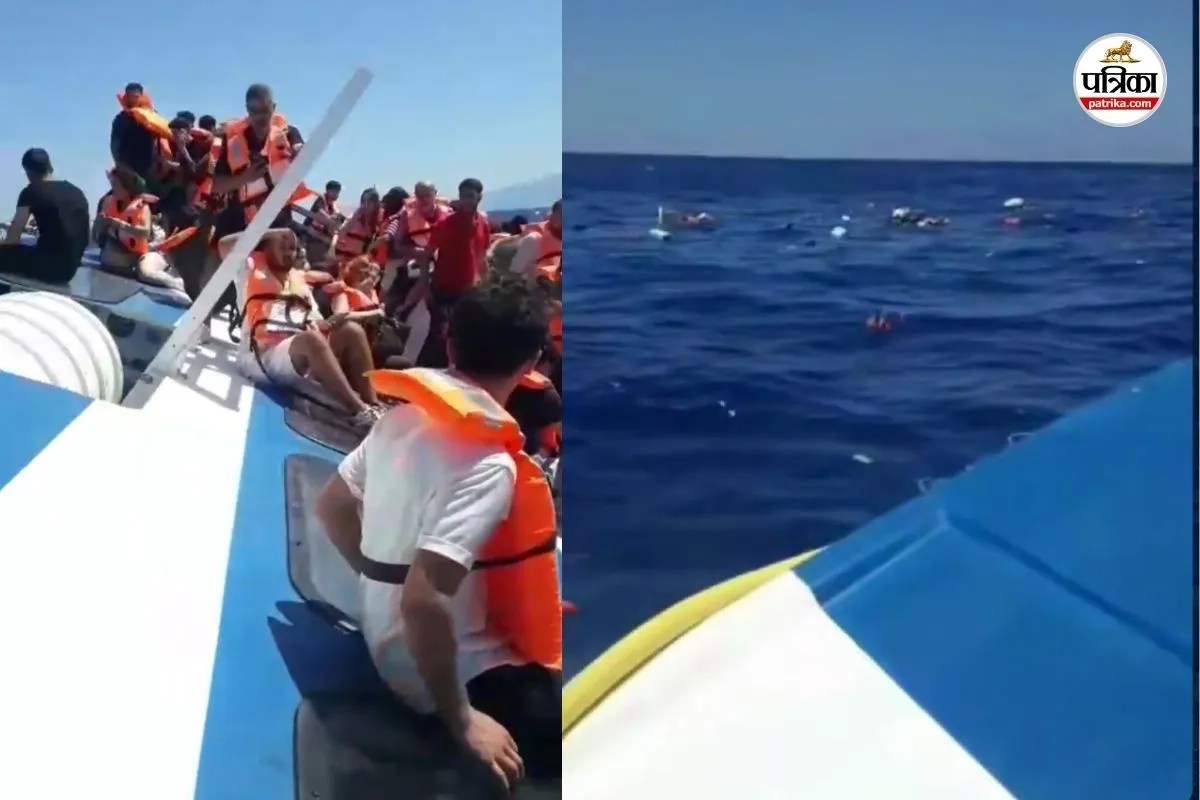
Every time a vessel packed past the legal limit runs into trouble on the open water, the mainstream media rolls out the exact same tired script. They point the finger at rogue waves, sudden squalls, or unseasonal gales. It is the laziest narrative in modern journalism. When a ferry carrying hundreds of souls finds itself in mortal peril, blaming nature is a convenient shield for the people who actually signed off on the manifest.
I have spent two decades auditing maritime logistics and cross-border transit routes across the Mediterranean. I have watched operators treat maximum capacity figures like a suggestion box rather than a hard physical law. The recent panic surrounding overloaded vessels crossing contested regional waterways is not a meteorological tragedy. It is a predictable math problem engineered by accountants and ignored by regulators.
The Myth of the Unpredictable Sea
The lazy consensus is that Mother Nature simply caught everyone off guard. That is nonsense. Modern marine meteorology offers high-resolution tracking down to the square nautical mile days in advance. No commercial operator sets sail into genuinely unforeseen annihilation unless they are running a skeletal operation that cuts corners on safety management systems.
When a boat carrying nearly three hundred people tips or capsizes, the failure happened weeks prior in a boardroom, not seconds prior on a cresting wave. Let us look at the mechanics of maritime stability. A vessel's center of gravity is a strict scientific threshold. Load too many passengers onto the upper decks, stack unauthorized cargo in the hull to maximize revenue per knot, and you have turned a floating transport into a pendulum waiting for a trigger.
"A ship does not sink because water gets inside the hull. A ship sinks because the economics of the voyage demanded too much weight for too little safety margin."
Why the Standard Safety Audit is Broken
Port authorities love to talk about compliance checkboxes. Did they check the life jackets? Is the radio operational? Do the life rafts have current inspection stamps? These questions distract from the systemic rot.
A regulatory body that focuses purely on static equipment while ignoring dynamic load management is like a doctor who checks your blood pressure while ignoring the active freight train running over your legs. Operators know how to game the port inspections. They shuffle passengers during departure windows, delay manifest digital updates, and exploit regulatory gray zones between competing jurisdictions.
- Weight Distribution Overlooked: Insufficient attention is paid to passenger clustering, where hundreds of travelers crowd onto sheltered weather decks, instantly compromising lateral stability.
- The Overbooking Loophole: Third-party ticket brokers routinely sell unreserved standing room for high-demand maritime commuter routes, bypassing computerized terminal turnstiles entirely.
- Regulatory Blind Spots: Disputed territories and politically isolated corridors create enforcement vacuums where coast guards lack jurisdiction or look the other way for political expedience.
The Cost of Cheap Crossings
Passengers choose these perilous routes for one reason: cost and desperation. When land borders are choked by bureaucracy and air travel is priced out of reach for everyday workers, the sea becomes the default pressure valve for human movement.
Operators exploit this desperation with predatory pricing models. They pack hulls tighter than cattle trucks because they know the penalty for getting caught—if enforcement even happens—pales in comparison to the profit margin of a triple-booked passage.
Imagine a scenario where every maritime fine was calculated not as a flat administrative fee, but as a direct percentage of the parent company's global revenue, combined with immediate asset seizure. The calculus would change overnight. As long as safety violations are treated as the cost of doing business, people will continue to drown while executives sleep soundly in air-conditioned offices ashore.
Dismantling the Rescue Narrative
Another comforting illusion is the heroism of the rescue operation. Do not misunderstand me; frontline coast guard crews and local fishermen who pull survivors from freezing swells exhibit extraordinary courage. But praising the rescue is a way to sanitize the catastrophe.
Focusing on the bravery of the rescue diver lets the system off the hook. It treats the symptom while ignoring the structural infection. Every successful rescue of an overloaded vessel is just a temporary statistical mask over a broken transit infrastructure. If your business model requires heroic emergency intervention to prevent mass casualties on a standard Tuesday crossing, your business model is a criminal enterprise.
What Real Reform Looks Like
If we actually wanted to stop boats from turning into floating coffins, we would stop tinkering with life jacket regulations and start dismantling the economic incentives for overcrowding.
- Mandatory Real-Time Weight Sensors: Install digital load-cell scales at every major turnstile that automatically lock boarding gates the moment structural displacement limits are reached.
- Criminal Liability for Executives: Strip away corporate indemnity shields. If an unseaworthy or overloaded vessel leaves port, the CEO faces personal, uninsurable prison time.
- Transparent Manifests: Implement public, tamper-proof blockchain passenger ledgers accessible via smartphone at the boarding gate, eliminating ghost passengers and hidden overloads.
The sea is indifferent to your itinerary, but the people who push you onto an unseaworthy boat are not. Stop buying tickets from operators who treat your life as dead weight.