Rain in the mountains does not fall as drops. It falls as an anvil.
When the monsoon strikes the foothills of the Himalayas, the sky turns the color of a bruised plum, and the air smells of wet slate and crushed pine. If you have ever stood in a Nepali village while the valley fills with mist, you know the particular silence that precedes a slide. It is not the quiet of peace. It is the quiet of a held breath.
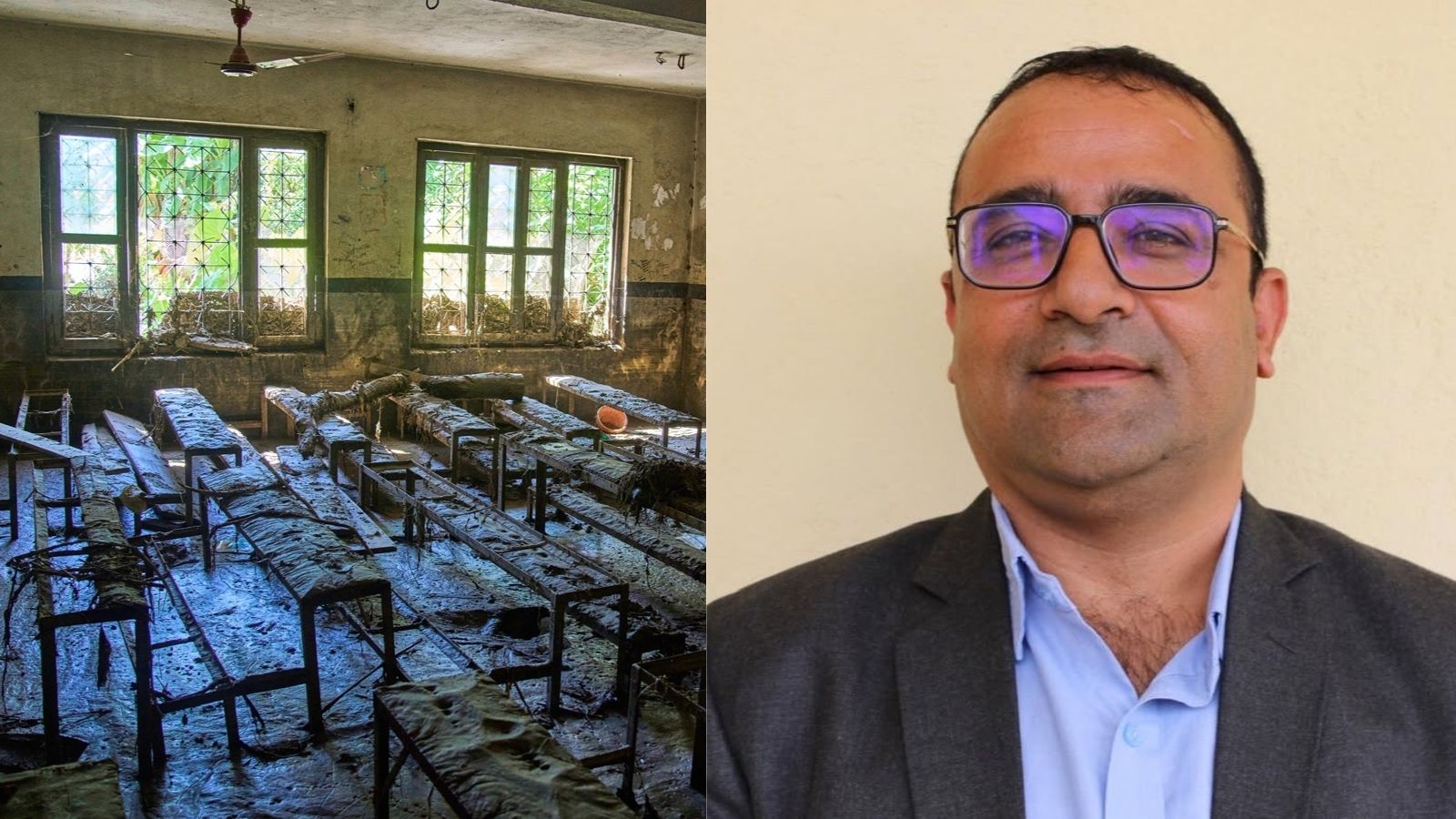
Ram Kumar Mahato knew that breath. He had spent years watching the Koshi basin swell, listening to the ground chatter and groan under the weight of unrelenting skies. Teachers in rural Sindhupalchok or the flat expanses of the Terai do not just teach verbs and fractions. They teach survival, whether they signed up for it or not. When the floodwaters broke their banks, charging through villages like a freight train made of mud and timber, Mahato did not reach for a lesson plan. He reached for his shoes.
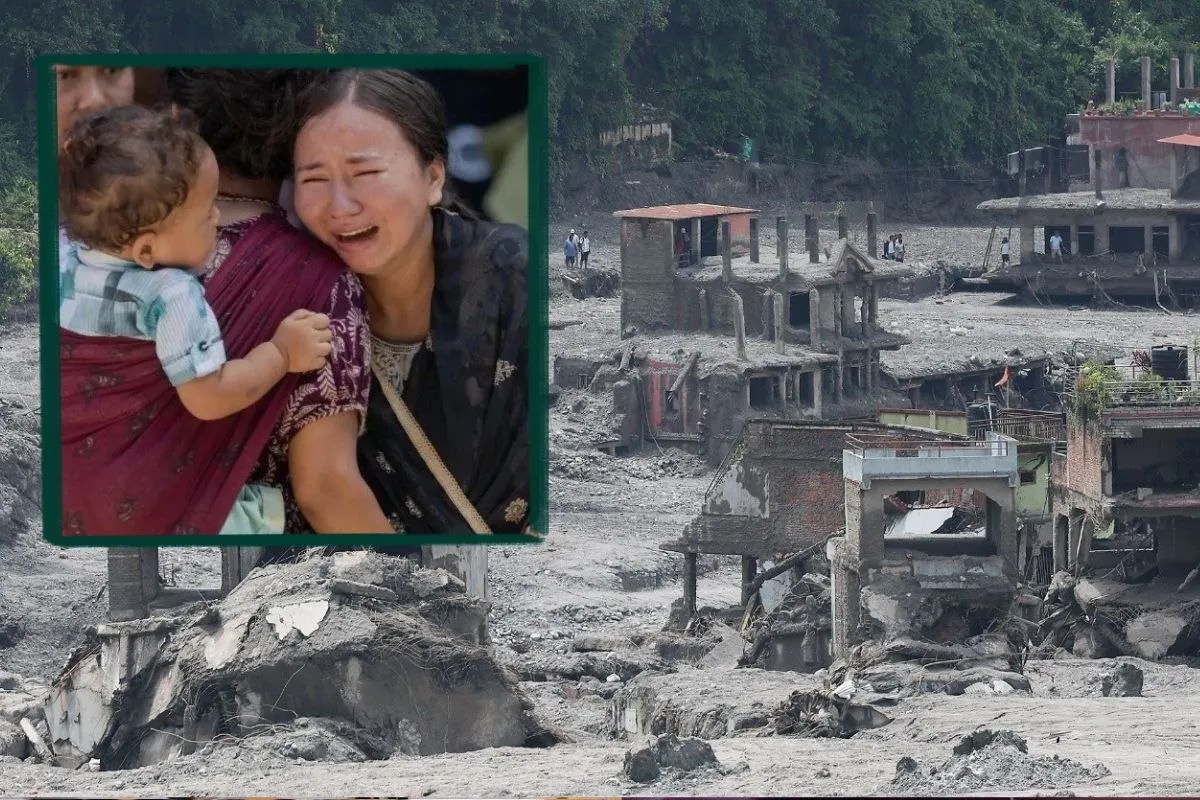
Water is indifferent. It does not care about third-grade geography or the poems you memorized for the spring exam. It only cares about gravity, and gravity was pulling everything downward, straight toward the low-lying schoolhouses where nine hundred children sat waiting for a bell that would never ring.
Consider what happens when a river decides to move your house.
The first warning is a low rumble in the soles of your feet, vibrating up through the floorboards before your ears can catch the roar. Mahato felt it during a Tuesday afternoon downpour. The local weather reports had used words like moderate advisory, words that bureaucrats use when they are safely tucked behind concrete walls fifty miles away. But the muddy froth racing past the schoolyard fence told a truer story. Nine hundred students. Four brick-and-mortar buildings. One exit route blocked by a newly formed torrent of debris.
Panic is contagious, but courage can be engineered.
Mahato did not scream. He blew a single, sharp blast on the brass whistle he used for recess, the same sound that usually signaled a scramble for soccer balls. The kids froze, conditioned to obey that specific pitch. In that tiny fraction of a second, discipline beat chaos. He stood on the concrete steps, water already pooling around his ankles, and gave three short commands. No speeches. No panic.
Get the younger ones on the roof. Form human chains along the interior corridors. Grab the heavy timber beams from the construction pile by the garden.
We forget how fragile our infrastructure really is. We build schools on floodplains because that is where the flat land is, where the communities gather, where the road connects to the market. We trade safety for convenience every single day, assuming the historical high-water mark will hold true forever. It never does. Climate volatility has rewritten the margins of error. What usedipy happened once a century now happens between semesters.
Mahato divided the children into pods, pairing the older adolescents with the terrified seven-year-olds who could not swim a stroke. He became a human metronome, directing traffic through the swirling brown tide that was rapidly turning the courtyard into a lake. When the western retaining wall gave way with the sound of a cannon shot, sending a wave of sludge crashing against the windows, nobody ran. They climbed.
By nightfall, the school roof looked like an island in a chocolate sea.
Nine hundred souls. Zero casualties.
How did he do it? Not through a sophisticated mobile app or an early-warning satellite feed provided by a distant government agency. He did it through anticipation and muscle memory. Months prior, during a dry spell that everyone thought was just another drought, Mahato had forced the local parent-teacher association to clear the drainage trenches and practice an unglamorous, exhausting vertical evacuation drill. Parents had grumbled. Kids had giggled. Why climb a roof when the sun is shining?
Because the sun does not stay up forever.
When the rescue boats finally cut through the debris-choked currents thirty-six hours later, they found nine hundred children huddled under plastic tarps, shivering, hungry, but alive. Mahato was the last one off the metal sheeting, refusing to leave until the final kindergarten backpack had been handed down to the relief workers.
We honor the architects of skyscrapers and the engineers who bridge canyons. We name highways after politicians who cut ribbons. But the real anchors of our societies are often standing in damp trousers in a remote courtyard, holding a brass whistle, looking at the horizon and calculating how long they have before the mountain comes down to visit.
The rain eventually stopped. The mud dried into a pale, cracked crust that took weeks to shovel out of the classrooms. But the children came back. They sat at the same wooden desks, looking up at the same chalkboard, knowing something their urban peers will never quite grasp. They know that safety is not a given. It is a shared covenant, built brick by brick, drill by drill, by ordinary people who refuse to let the dark water win.