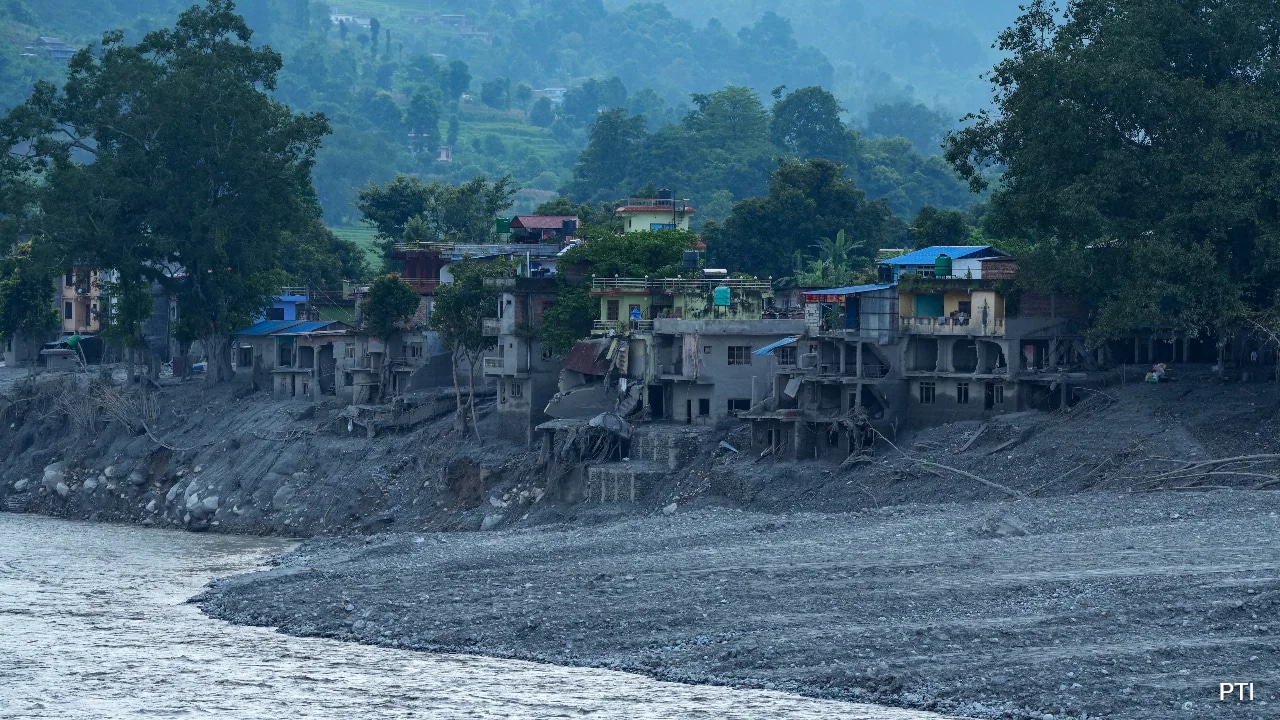
Every time a localized catastrophe hits the headlines, the media scrambles to find a heartwarming anecdote. A chance encounter. A missed flight. A spontaneous tea break that miraculously dodged a wall of water. The narrative practically writes itself: five friends from Chhattisgarh sit down for a cup of chai in Nepal, lose track of time, and cheat death by minutes. It makes for comforting reading over morning coffee. It frames survival as a charming reward for leisurely habits.
It is also complete nonsense.
We love these stories because they let us off the hook. If survival is a function of whimsical luck—a well-timed beverage or a delayed taxi—then nobody is accountable for the structural decay underneath. You do not need to audit early-warning systems, investigate municipal zoning violations, or question regional disaster management protocols. You just need to praise the power of a hot brew.
I have spent years analyzing regional infrastructure resilience and emergency logistics across South Asia. I have watched billions of dollars in disaster relief vanish into bureaucratic black holes while local authorities rely on anecdotal heroism rather than hard engineering. When a headline tells you that a casual tea break saved five lives, it is masking a terrifying reality. Those lives should never have depended on a kettle.
Let us dismantle the lazy consensus of the miracle narrative.
The Fatal Flaw of the Miracle Narrative
When a flash flood tears through a valley, water does not care about your itinerary. It does not pause because you stopped for cardamom tea.
The standard media framing treats luck as a strategy. Every time an outlet glorifies an accidental delay, it normalizes an environment devoid of baseline safety infrastructure. In the case of the Chhattisgarh travelers in Nepal, the focus remains entirely on the personal trivia of the survivors rather than the systemic absence of functional flood sensors, redundant communication channels, or rapid-response evacuation protocols in high-risk tourist zones.
Relying on coincidence to beat geography is a losing game. For every group of friends saved by a delayed order, dozens of others walk blindly into unmonitored hazards because the local tourism board spent its budget on promotional brochures instead of hydrological telemetry.
The Mechanics of Real Crisis Management
Real survival has nothing to do with serendipity and everything to do with redundant systems.
Look at how high-risk alpine regions manage seasonal runoff. They do not wait for tourists to smell brewing leaves. They deploy real-time river gauges linked to automated siren grids. They enforce strict geographic zoning that keeps commercial spaces away from high-velocity drainage funnels.
When you strip away the romantic gloss of the Nepal tea story, you find a classic failure cascade:
- Inadequate meteorological warnings issued to incoming foreign nationals.
- Zero localized communication relays in remote terrain.
- Total reliance on post-disaster rescue rather than pre-disaster containment.
The friends from Chhattisgarh did not survive because of the tea. They survived despite an ecosystem that offered them zero institutional protection. Framing this as a feel-good human-interest piece insults the intelligence of anyone who has ever had to study emergency evacuation architecture.
The Cost of Comforting Fictions
Why do we cling to these myths? Because accepting that our travel destinations are operating without safety nets is exhausting. It is much easier to believe in guardian angels and serendipitous snacks.
This mindset bleeds into corporate risk management, travel planning, and civic policy. We treat preparedness as an optional aesthetic rather than a non-negotiable baseline. People book trips to rugged Himalayan terrain assuming that modern states have domestic-grade emergency services waiting in the wings. They do not. In many remote corridors, if the communications grid goes down, you are entirely on your own.
I have seen organizations blow millions on post-crisis public relations stunts while ignoring the basic vulnerabilities sitting right under their noses. They spend weeks crafting heartwarming narratives about survivors to drown out the awkward questions about why the warning signs were missing in the first place.
Rewriting the Playbook for High-Risk Travel
If you are planning to travel into volatile geographic zones, stop waiting for a sign from the universe. The universe is indifferent to your schedule.
Discard the notion that local charm or casual pacing will insulate you from systemic risk. When you step into a flood-prone mountain valley during monsoon season, you are entering a theater of raw physics.
- Verify the Infrastructure, Not the Scenery: Before booking, check if the local jurisdiction has operational telemetry networks. If they cannot provide real-time data on river levels, do not go.
- Assume Complete Isolation: Build your personal itineraries around the assumption that emergency services are three days away. If your survival depends on a helicopter rescue, you are already dead.
- Reject the Miracle Mindset: The moment you catch yourself thinking, "It will be fine, something always works out," you are gambling with zero odds.
Stop celebrating the accidents that spare people from catastrophes. Start demanding environments where nobody needs a miracle to make it home for dinner.