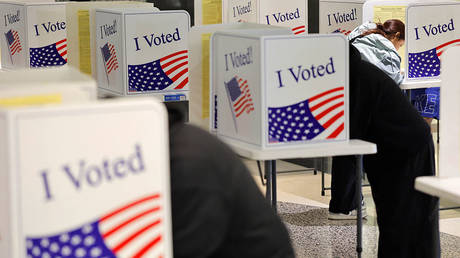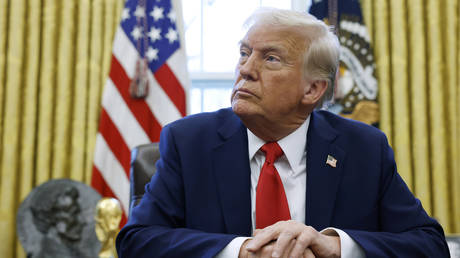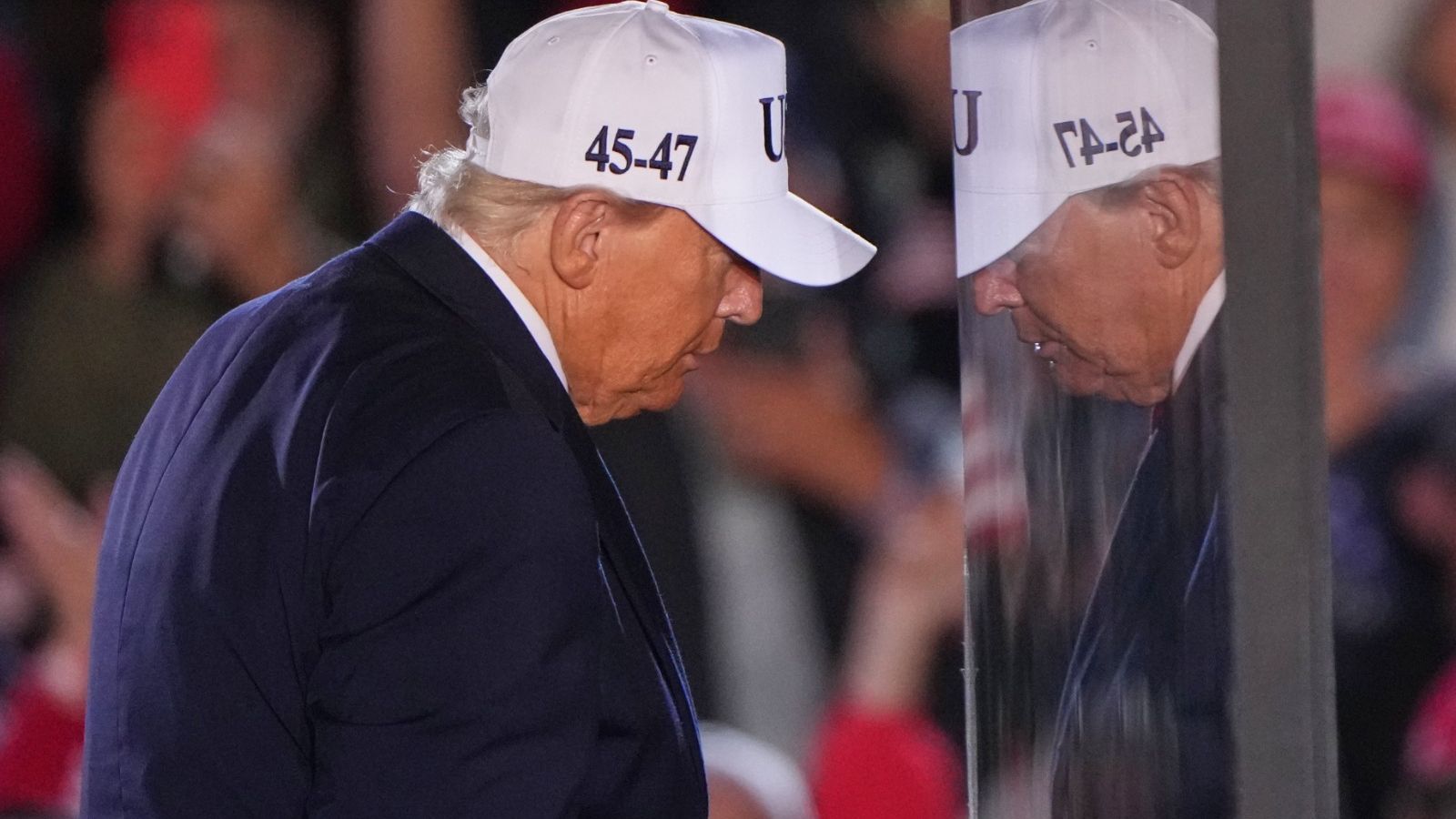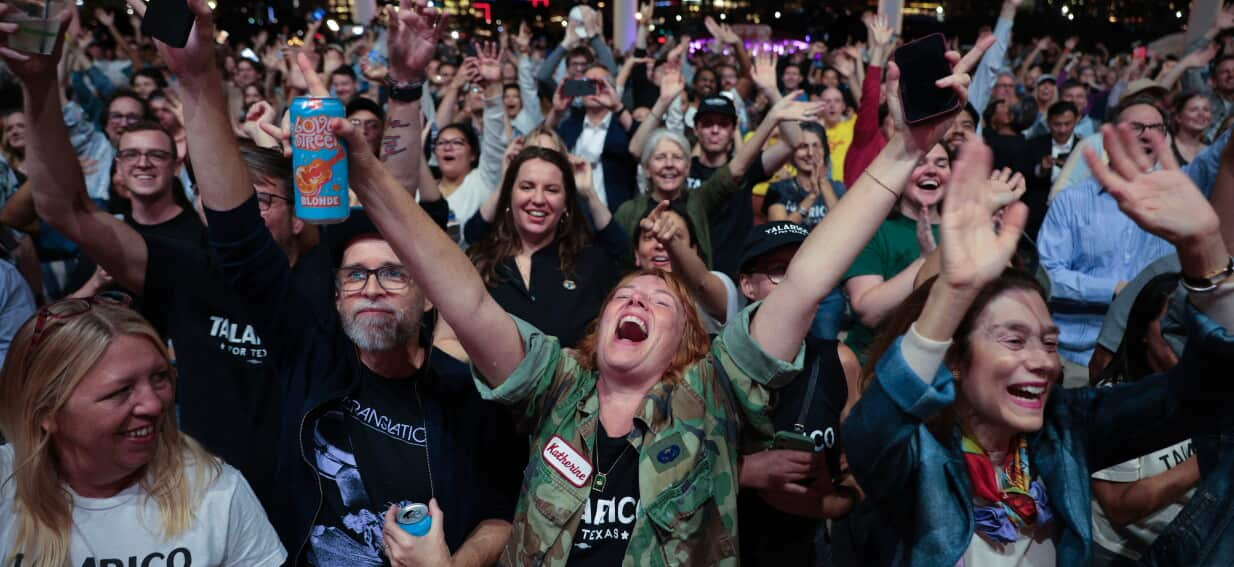
Political pundits love calling every bad election night a "generational defeat," and the 2026 midterm elections gave cable news anchors plenty of ammunition to throw that phrase around. When the dust settled in November 2026, the map looked wildly different than what Republican strategists had projected just six months earlier. Donald Trump, sitting in the White House during his second term, suddenly faced a fractured Congress and a wave of unexpected losses in districts that were supposed to be safe.
Here is the truth about midterm elections. They almost always punish the party in power. History isn't subtle about this pattern, yet every single cycle, Washington insiders act shocked when voters pull the emergency brake on a sitting president's agenda.
To understand the biggest midterm upsets of 2026 and Donald Trump's reaction to them, you have to look past the shouting on social media and examine the actual mechanics of voter turnout, suburban backlash, and campaign miscalculations.
Why Midterm Elections Almost Always Punish the Sitting President
If you've watched American politics for more than a decade, you already know the thermostatic nature of the electorate. Voters put a party in charge, get frustrated when complex problems aren't solved overnight, and then vote for the opposition two years later to restore balance.
Since World War II, the president's party has lost House seats in nearly every midterm election, with only rare exceptions like 1998 and 2002. Even popular presidents get hammered. Barack Obama famously called the 2010 midterms a "shellacking" after Democrats lost 63 House seats. Donald Trump himself watched Democrats flip 41 House seats during his first midterm cycle in 2018.
The 2026 cycle followed this exact historical script, even though GOP leadership spent months claiming they had cracked the code on low-propensity voters. They hadn't. When Donald Trump isn't personally on the ballot, a massive chunk of his base simply stays home. Meanwhile, opposition voters show up angry and organized.
The Anatomy of the Biggest 2026 Midterm Upsets
Calling an election an "upset" usually means the polling models missed a late shift in voter sentiment, or party leadership took a historically safe seat for granted. In November 2026, both things happened simultaneously across several key battlegrounds.
The Suburban Collapse Continues
For years, Republicans have struggled to win back college-educated suburbanites in places like Pennsylvania, Michigan, and Arizona. During presidential years, high turnout in rural counties can offset those suburban losses. In a midterm year, that math breaks down completely.
Several House districts that voted comfortably for Trump in 2024 flipped back to Democratic control in 2026. Why? Because swing voters in the suburbs care deeply about institutional stability, local economic conditions, and healthcare costs. When national GOP messaging focused heavily on culture-war grievances and executive branch shakeups rather than everyday kitchen-table bills, independent voters bolted.
Safe Seats That Suddenly Weren't
The most jarring moments on election night didn't happen in pure toss-up districts. They happened in R+8 and R+10 seats—districts drawn specifically to protect incumbents.
In several races across the Midwest and Sun Belt, well-funded Democratic challengers out-organized complacent Republican incumbents who barely campaigned until October. You can't win a modern congressional race by relying solely on national brand recognition. Voters still want to see their representative show up at local town halls, talk about infrastructure, and answer tough questions without reading from a national talking-points memo.
The Candidate Quality Trap Strikes Again
We saw this exact movie in 2022, and somehow party leaders didn't learn their lesson. Primary voters frequently nominate candidates based on loyalty to Donald Trump rather than general election viability.
That works great in a Republican primary. It fails miserably in a competitive general election. Several winnable Senate and gubernatorial races slipped away because GOP nominees spent more time relitigating past political battles than pitching a forward-looking vision to undecided voters.
Donald Trump's Reaction to the Election Results
When early returns started showing trouble for Republicans on election night, everyone in Washington watched Truth Social and the White House press briefing room to see how Donald Trump would handle the news.
His response was classic Trump—a mix of selective credit-taking, sharp blame-shifting, and immediate focus on the next fight.
Distancing Himself from Losing Candidates
Trump has never been one to absorb blame for a bad political night, and 2026 was no exception. Within hours of the networks calling key races for the Democrats, Trump pointed out that the candidates who lost had failed to embrace his platform properly or ran weak, uninspiring campaigns.
In his view, his personal brand remained undefeated. If a candidate won, it was because of his endorsement. If a candidate lost, it was because they didn't listen to his advice or failed to turn out their own supporters. It's a rhetorical strategy he's used since 2018, and it serves a clear purpose—protecting his leverage over the Republican Party so lawmakers don't start viewing him as a lame duck.
Going After GOP Leadership and Polling Firms
Alongside criticizing individual campaigns, Trump took aim at Republican strategists, super PACs, and pollsters. He argued that party committees wasted millions of dollars on the wrong media markets while ignoring grassroots mobilization efforts.
Honestly, he wasn't entirely wrong on this point. Professional political consultants in Washington have a terrible habit of burning through donor cash on repetitive television ads that voters tune out by September, while starving local field offices of basic resources.
Shifting the Narrative Immediately
Rather than lingering on the losses, Trump quickly pivoted to executive actions and his upcoming legislative priorities. By framing the Democratic gains as a narrow, temporary fluke caused by media bias and flawed local candidates, he signaled to congressional Republicans that he still expected total loyalty during the second half of his term.
Was It Actually a Generational Defeat
Media pundits love hyperbole because dramatic headlines drive clicks and ratings. Labeling the 2026 midterms a "generational defeat" makes for great television, but it doesn't hold up under basic political scrutiny.
A true generational defeat permanently realigns the electoral map for decades—think Franklin D. Roosevelt in 1932 or Ronald Reagan in 1980. Those elections fundamentally changed which party controlled the white working class, the South, or urban centers for an entire era.
The 2026 midterms didn't do that. Voters didn't suddenly fall in love with the Democratic Party's long-term platform, nor did they permanently abandon the GOP. Instead, independent voters acted like they always do when one party holds a trifecta in Washington—they divided power to force moderation.
Look at the actual vote margins in the closest races. Most of the major upsets were decided by less than two percentage points. A tiny shift in turnout or a slightly better economic news cycle in October would have flipped half those seats right back to the Republicans. Calling a razor-thin midterm correction a generational collapse ignores how volatile and closely divided modern American politics really is.
What These Results Mean for Governing Through 2028
Elections have immediate, practical consequences for how laws get made—or don't get made—in Washington. With Democrats gaining leverage in Congress, the legislative math for the White House changed overnight.
The End of Easy Party-Line Bills
During the first two years of a presidency, a unified party can use budget reconciliation to pass major tax and spending packages without needing a single vote from the opposition. That window is now slammed shut.
Every major piece of legislation—from government funding bills to raising the debt ceiling—will require genuine negotiation between the White House and Democratic congressional leaders. Expect intense standoffs, threats of government shutdowns, and plenty of political theater before compromise bills get signed at the eleventh hour.
A Surge in Congressional Oversight
When the opposition party controls a chamber of Congress, subpoena power changes hands. Committee chairs immediately shift their focus from helping the White House pass bills to investigating executive branch agencies, cabinet officials, and administration policies.
For the Trump administration, this means spending a massive amount of time and legal energy responding to document requests, preparing officials for televised hearings, and playing defense against daily news cycles driven by committee investigations.
Executive Orders Become the Primary Tool
Whenever a president hits a brick wall on Capitol Hill, they reach for the pen. Because passing major laws through a divided Congress is nearly impossible, Donald Trump will rely even more heavily on executive orders, regulatory rollbacks, and agency directives to push his agenda forward.
Of course, governing by executive order has a major flaw. Anything done with the stroke of a pen can be undone just as easily by the next president, and every controversial directive gets tied up in federal court battles for years.
How to Read Political Coverage Without Getting Played
If you want to understand where American politics is actually heading after the 2026 midterms, stop taking election-night hot takes at face value. Cable news panels are designed to manufacture outrage and exaggerate every single swing in the pendulum.
When you read about midterm upsets or presidential reactions, look directly at three concrete data points instead of pundit commentary:
- Check the suburban county margins. Compare the exact vote percentages in collar counties around major cities—like Philadelphia, Atlanta, Detroit, and Phoenix—against the 2020 and 2024 totals. That single metric tells you whether swing voters are moving or just staying home.
- Track special election turnout. Off-year and special elections over the next twelve months will reveal which party's base remains energized and which side is suffering from voter fatigue.
- Watch primary challenges, not press conferences. Pay attention to whether moderate Republicans in swing districts start breaking with the White House on key votes. When lawmakers start fearing general election voters more than primary challengers, the real political shift has begun.