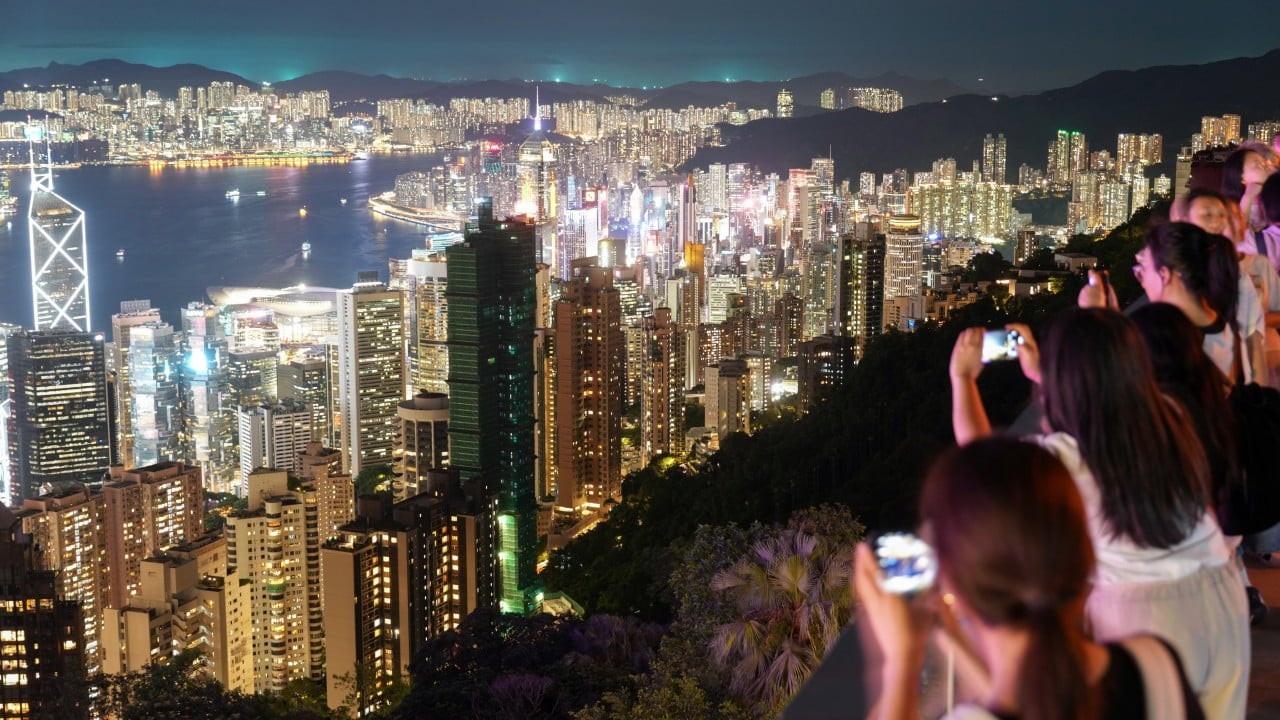
The click of a plastic switch is a sound we rarely register. It is automatic. Subconscious. We flip a toggle, and a room floods with warmth or cool relief, a kettle begins to hum, or a screen blinks to life. For decades, this seamless transition from dark to light was a given in Hong Kong, a baseline constant of urban existence.
But lately, that click has started to sound a lot heavier.
Consider Mrs. Wong. She is seventy-four, living in a modest flat in North Point. She does not look at global energy indexes or track liquefied natural gas futures on a terminal. But she feels them. When the monthly bill from HK Electric landed on her kitchen table, the numbers forced a sharp intake of breath. Her fuel clause charge had surged by nearly 34 percent.
Think about that leap. A sudden, vertical spike in the cost of simply keeping the modern world running inside your own four walls.
For Mrs. Wong, it meant a recalculation of the everyday. The electric fan stays on a little less. The rice cooker is unplugged the exact second the grain is done. This is not about a lack of resources on a corporate spreadsheet; it is about the quiet erosion of comfort at the kitchen table.
The Invisible Engine Below the Harbor
To understand why a monthly bill in a North Point apartment can jump so violently, we have to look past the neon signs of Causeway Bay and look out toward the water.
Electricity is an illusion of immediacy. We think it happens when we flip the switch. In reality, it is the final link in a massive, fragile global chain. HK Electric relies heavily on imported coal and natural gas to fire the turbines that keep the city humming.
Here is the problem. The world’s energy markets have been upended. Geopolitical friction, supply chain bottlenecks, and a global scramble for cleaner fuels have turned commodities into volatile poker chips. When the price of natural gas skyrockets in Europe or production dips in Asia, the shockwaves travel fast. They ripple across oceans, pass through the generators at Lamma Power Station, and arrive directly in the mailboxes of millions of residents.
The fuel clause charge is designed to be a pass-through. It is a financial mechanism that reflects the actual, fluctuating cost of the fuel used to generate power. When fuel gets cheaper, the charge drops.
But right now, it is not dropping. It is climbing. Fast.
The 34 percent surge is not a destination either. It is a checkpoint. The utility company has already signaled that further increases are expected as global markets remain tight and unpredictable. The buffer is gone.
The Anatomy of a Monthly Bill
Many people find utility statements utterly baffling. They look like a foreign language composed of acronyms and confusing metrics. Let us break down what is actually happening.
Your bill is essentially divided into two parts. The first is the basic tariff. This covers the operational costs of the company—the steel, the cables, the salaries of the engineers who climb pylons in the dead of night, and the infrastructure required to keep the grid stable. The second part is the fuel clause charge.
Think of it like renting a car. The basic tariff is the flat fee you pay for the vehicle itself. The fuel clause charge is the cost of the petrol you put in the tank to make it move. Right now, the car rental fee is relatively steady, but the price at the pump has become astronomical.
Because Hong Kong imports virtually all of its energy resources, it is entirely at the mercy of the global tide. There is no domestic oil field to tap into, no vast wind farms in the hinterlands to absorb the shock. When the global price moves, the city moves with it.
The weight of this system does not fall evenly.
For a high-end shopping mall in Central, a spike in cooling costs is an operational line item, easily absorbed or passed along to consumers through slightly higher retail prices. For a small family running a neighborhood cha chaan teng, it is a direct blow to their survival. The refrigerators must run. The stoves must heat. You cannot cook a dim sum basket halfway to save on the tariff.
The Compounding Pressure
The real sting of an energy hike is that it never travels alone.
When power becomes more expensive, everything that relies on power follows suit. The local bakery pays more to run its ovens. The laundromat pays more to turn its dryers. The convenience store pays more to keep the drinks cold.
Slowly, almost imperceptibly, those micro-costs bleed into the price of a pineapple bun, a clean shirt, and a bottle of milk.
This is the hidden tax of a volatile energy market. It aggregates. It builds pressure in areas of life that seem entirely disconnected from a power plant.
But the problem runs deeper than current market trends. Hong Kong is in the middle of a massive structural transition. In an effort to combat climate change, the city is moving away from coal—the cheap, dirty standard of the past—and shifting toward natural gas and renewable energy sources. This is a vital, necessary evolution. No one wants to breathe heavily polluted air.
Yet, transitioning the energy mix of a skyscraper-dense metropolis is an incredibly expensive engineering feat. Natural gas is cleaner, but it is historically more expensive and far more sensitive to international supply shocks.
We are caught in the gears of progress. We are paying the premium for a cleaner tomorrow while struggling to afford the volatility of today.
The Window of Reality
Walk through any residential neighborhood in the evening. Look up at the towers stretching into the clouds, thousands of tiny squares of light glowing against the dark sky. Each square is a household trying to find a balance.
Some will barely notice the change. Their bank accounts will auto-deduct the higher fee, and life will move on uninterrupted. But for a significant portion of the population, those rising numbers represent a series of difficult compromises. Do they skip an evening meal out? Do they delay buying new school uniforms? Do they sit in the dark a little longer before turning on the lamp?
The answers to these questions are being written in small flats across the territory right now.
There are no easy solutions on the horizon. The utility providers are bound by global economic realities, and the government can only offer temporary subsidies before the structural costs demand a permanent reckoning. The era of cheap, thoughtless energy consumption is drawing to a close, replaced by a stark reality where every kilowatt-hour has a vivid, tangible human cost.
Tonight, millions of fingers will reach out and press those small plastic switches. The lights will come on. The city will continue to shine, brilliant and defiant against the night. But beneath that spectacular glow, the ledger is changing, and the true cost of keeping the darkness at bay is being counted dollar by dollar, flat by flat.