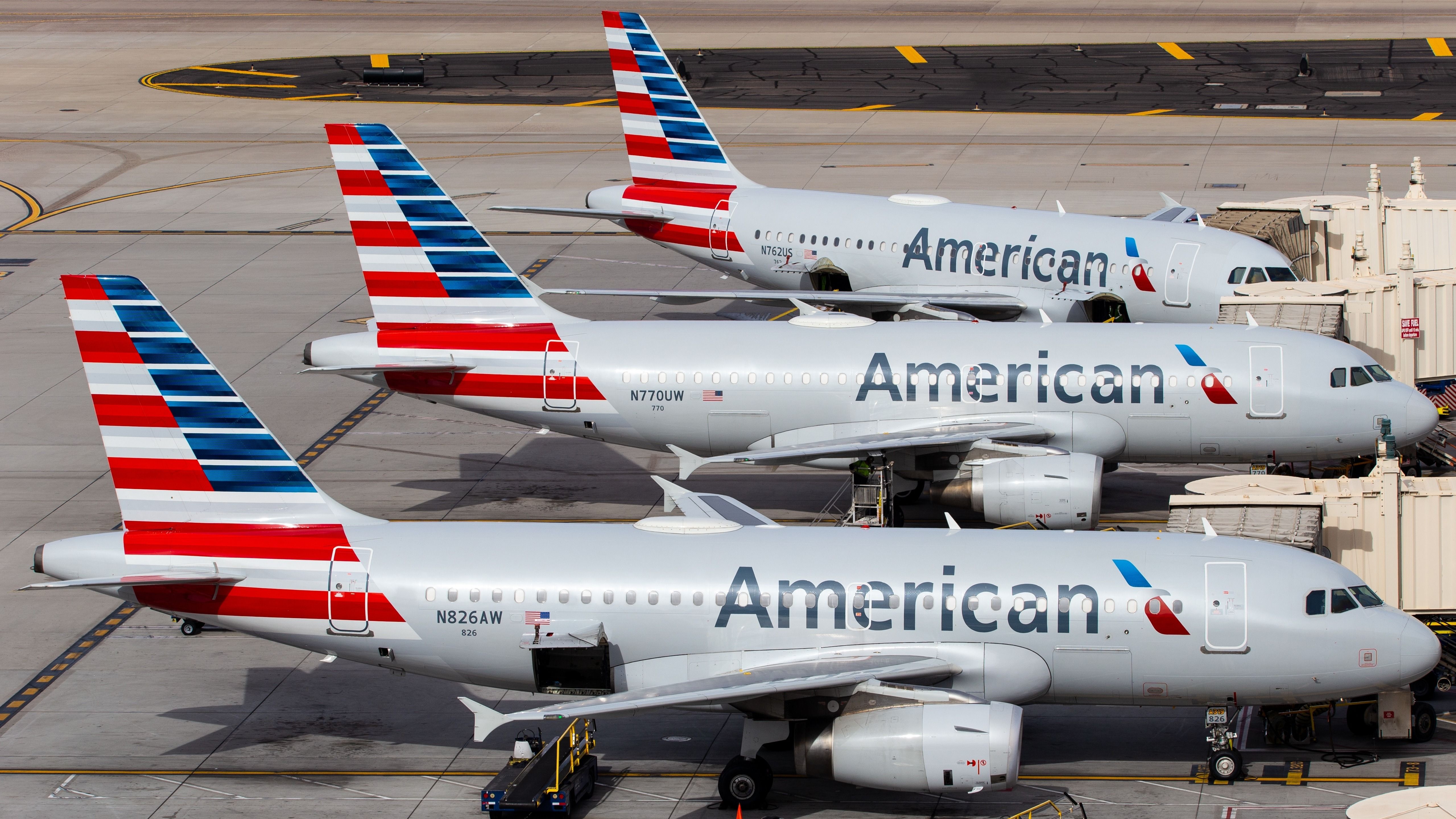
The American sky is falling, and it isn't just because of a single storm or a bad week of delays. It's a systemic collapse. If you’ve spent any time in an airport lately, you’ve felt the vibration of a machine running way past its redline. We’re looking at a perfect disaster of frozen federal budgets, a desperate reshuffling of law enforcement, and aging infrastructure that can’t handle a stiff breeze, let alone a minor accident.
Take the recent mess at LaGuardia. A small plane skids, a runway shuts down, and suddenly the entire East Coast air corridor turns into a parking lot. It’s a joke. But it’s a joke that costs billions of dollars in lost productivity and leaves thousands of people sleeping on terminal floors. This isn't just "travel luck." It’s the result of decades of treating our aviation infrastructure like a second-tier priority while expecting first-class results.
The Budget Freeze is Killing the FAA
Congress loves to play chicken with the national budget, but the Federal Aviation Administration (FAA) is the one getting run over. When funding stays flat or gets stuck in "continuing resolution" purgatory, everything stops. You can’t hire more air traffic controllers. You can’t upgrade the software that manages thousands of flights a day. You basically just keep the lights on and pray nothing breaks.
The math doesn't work. We have more flights than ever before. We have new technology like commercial space launches and massive drone fleets entering the airspace. Yet, the people responsible for keeping these things from hitting each other are working with tools that belong in a museum. It’s a mess. I’ve talked to people in the industry who are genuinely terrified that we’re one glitch away from a tragedy because the money simply isn't there to modernize the system.
Air traffic control centers are notoriously understaffed. Some controllers are pulling mandatory six-day weeks. That’s not a recipe for safety; it’s a recipe for burnout and catastrophic error. When the funding is frozen, the pipeline for new recruits dries up. It takes years to train a controller. You can’t just flip a switch and fix this in six months. We’re feeling the pain of decisions made—or not made—five years ago.
Why Border Agents are Manning the TSA Lines
Here is something you probably didn’t expect to see at your local gate. Immigration and Customs Enforcement (ICE) and Customs and Border Protection (CBP) officers are being pulled from their primary duties to help manage the chaos at airports. This isn't an "all hands on deck" success story. It’s a sign of a failing system.
The surge at the southern border has strained federal resources to the snapping point. To cope, the government is moving personnel around like chess pieces on a board where every square is on fire. When you see a specialized border agent checking IDs at a domestic security checkpoint, you’re seeing a gap somewhere else. They aren't trained for this specific environment, and their absence from the border creates its own set of security risks.
It’s a shell game. The Department of Homeland Security is trying to plug holes in the aviation bucket by taking water from the border bucket. Eventually, both buckets end up empty. Travelers see the long lines and the frustrated faces, but they don't see the massive logistical failure happening behind the scenes. We're asking law enforcement to be a "catch-all" solution for administrative incompetence.
LaGuardia and the Fragility of the Hub System
The recent crash at LaGuardia wasn't a massive fireball, thank god. It was a relatively minor runway excursion. In a healthy, resilient system, that’s a localized delay. In our current reality, it’s a heart attack for the entire national network. Because our major hubs—NYC, Atlanta, Chicago—are so tightly packed, there's zero margin for error.
LaGuardia is a prime example of "too much in too little space." It’s a tiny footprint handling a massive volume of traffic. When one runway goes down, the ripple effect reaches as far as Los Angeles and London. Airlines have to cancel flights because the planes can’t get in, which means the crews aren't where they need to be for the next leg. It’s a domino effect that exposes how thin our "efficiency" really is.
We’ve optimized our airlines for profit and our airports for retail space, but we haven’t optimized the actual pavement for resilience. We need more runways. We need better de-icing tech. We need a system that doesn't go into a fetal position because a private jet blew a tire.
The Cost of Doing Nothing
Every time a flight is canceled, the economy takes a hit. It’s not just the ticket price. It’s the missed business meeting, the delayed freight, and the sheer exhaustion of the American workforce. We’re losing our competitive edge because we can’t even move people from Point A to Point B reliably.
The solutions aren't a secret. We need a multi-year, guaranteed funding stream for the FAA that isn't a political football. We need to stop using DHS agents as temp workers for the TSA. And we need a serious, unglamorous investment in concrete and asphalt. It’s not sexy, but it’s what keeps a country moving.
If you’re traveling in the next few months, don't expect it to get better. Pack a carry-on, get to the airport three hours early, and download every streaming show you can find. You’re going to be sitting there for a while.
Check your flight status through the airline’s app before you even leave for the airport, but also cross-reference it with a third-party tracker like FlightAware. Often, those apps see the "inbound" plane’s delay before the airline even admits there’s a problem. If your flight gets canceled, don't stand in the 200-person line at the gate. Call the airline’s international help desk numbers—they usually have shorter wait times and can rebook you just as fast.