The air in the Situation Room doesn't smell like history. It smells like stale coffee, recycled oxygen, and the faint, metallic tang of electronics running too hot for too long. In this windowless basement, the map of the Middle East isn't a collection of cultures or ancient poetry. It is a series of glowing dots—predatory drones, idling tankers, and the heat signatures of ballistic missiles tucked away in Persian silos.
For decades, the relationship between Washington and Tehran has been a choreographed tragedy. We know the steps by heart. A sanction is signed; a proxy fires a rocket; a diplomat issues a sternly worded condemnation that everyone knows is hollow before the ink even dries. It is a cycle that feels as permanent as the tides. But recently, the rhythm changed. The music stopped, and for a heartbeat, there was a silence that felt like the precursor to a scream. In similar developments, we also covered: The Sabotage of the Sultans.
Donald Trump, a man who views the world through the lens of the deal rather than the doctrine, has signaled a willingness to sit across from the Iranian leadership. This isn't the practiced caution of a career statesman. It is the gamble of a high-stakes player who believes that every man, no matter how many revolutionary slogans he shouts, has a price.
The Ghost in the Centrifuge
Consider a hypothetical young engineer in Isfahan. Let’s call him Omid. Omid doesn’t care about the grand "Resistance Axis" or the ideological purity of the 1979 Revolution. He cares about the fact that his paycheck, once enough to buy a modest apartment, now barely covers a week of groceries. He watches the centrifuges spin in the facility where he works, knowing they are the reason his country is being choked, yet they are the only leverage his leaders have left. BBC News has also covered this fascinating issue in great detail.
To Omid, the news that a President who once tore up the nuclear deal is now open to talking isn't just a headline. It’s a flicker of light at the end of a very long, very dark tunnel. It represents the slim possibility that the "Maximum Pressure" campaign might give way to a "Maximum Negotiation."
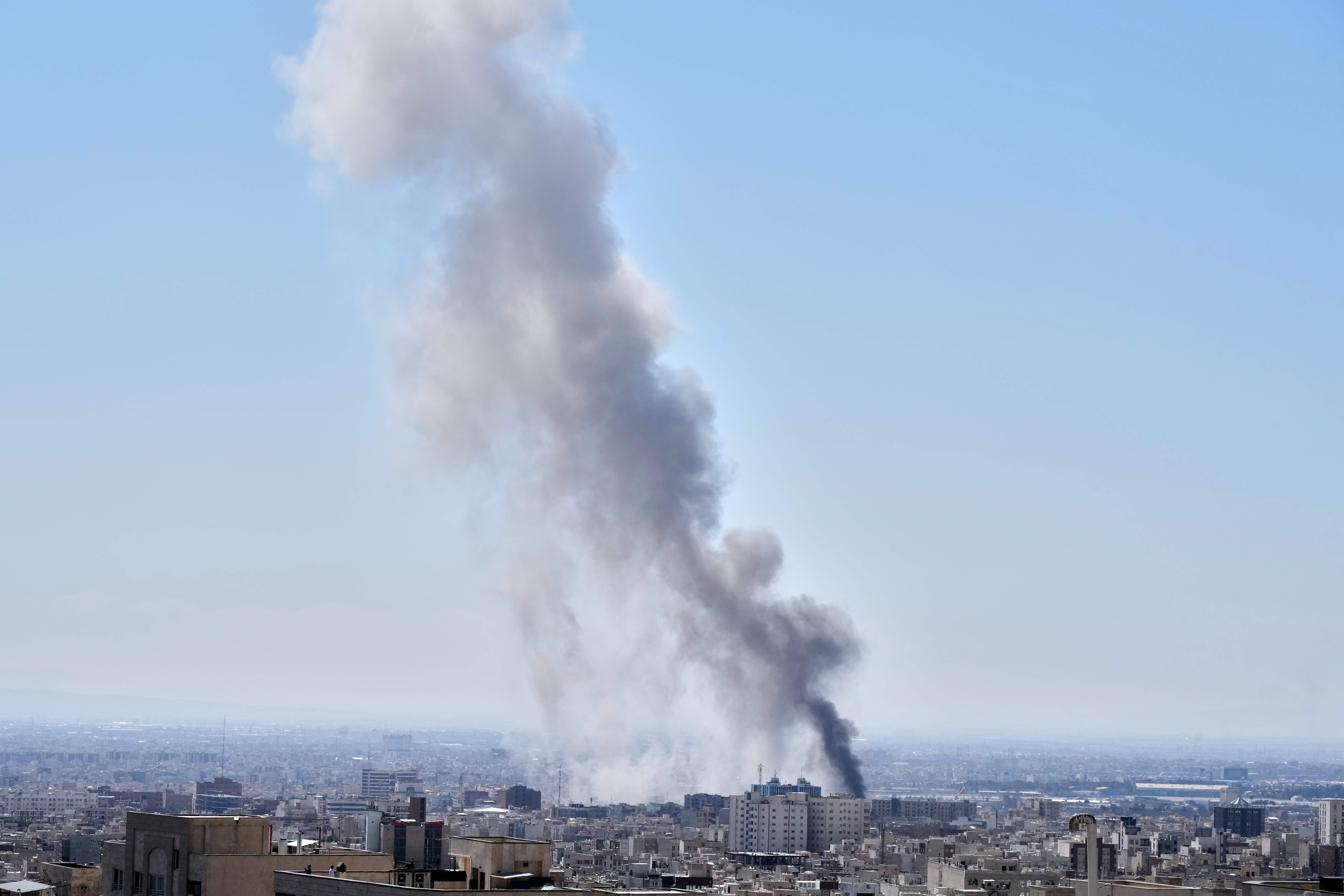
The facts are stark. The Middle East is currently a tinderbox where the matches are being struck by a dozen different hands. Israel and Iran are no longer fighting through shadows and whispers; they are trading direct blows. The Red Sea is a graveyard of commercial shipping. Lebanon is a wound that won't stop bleeding. In this context, the idea of Trump and the Ayatollah’s representatives in the same room feels less like diplomacy and more like a miracle—or a trap.
The Art of the Impossible Ask
The American perspective is often framed by the "Big Three": No nukes, no terror, no missiles. It sounds simple on a teleprompter. In reality, it asks a regime built on the foundation of anti-Americanism to dismantle its entire identity for the sake of a better credit rating.
Trump’s approach defies the traditional "step-by-step" escalation favored by the State Department. He prefers the lightning strike. He operates on the belief that personal chemistry can override decades of institutional hatred. It worked, briefly, with North Korea—a surreal summit that produced more photographs than policy changes, but notably, fewer missiles over Japan for a time.
But Iran is not North Korea. It is not a monolith controlled by one man’s whim. It is a complex, fractured bureaucracy of clerics, generals, and merchants. When Trump says he is "open to talks," he is throwing a grenade into that bureaucracy. He is forcing the hardliners to explain why they are letting the people starve when a deal might be on the table, and he is forcing the pragmatists to wonder if they can trust a man who has proven he can walk away from any agreement at a moment's notice.
The Invisible Stakes of the Strait
If you want to understand why this matters to someone who has never heard of Isfahan, look at the gas pump. Look at the price of the electronics in your pocket.
The Strait of Hormuz is a narrow choke point through which a fifth of the world’s oil flows. It is a carotid artery. If the current "deepening conflict" reaches a breaking point, that artery gets severed. We aren't talking about a slight uptick in inflation. We are talking about a global cardiac arrest.
The shadow of war has a cost even when a single shot isn't fired. It’s the "risk premium" baked into every barrel of oil. It’s the redirected shipping routes that add weeks to global supply chains. When the world hears that the U.S. might actually talk to its most bitter rival, the markets take a breath. The tension in the global shoulder drops an inch.
But talks are not a solution. They are a beginning. And in the Middle East, beginnings have a habit of being strangled in the cradle.
The Language of the Bazaar
Negotiating with Iran is like walking into an ancient bazaar where the price of a rug is never what is written on the tag. It is a performance. It requires a level of patience that often eludes the American political cycle, which demands "wins" in four-year intervals.
The Iranians are masters of the long game. They have survived empires, invasions, and internal uprisings. They view the United States as a temporary phenomenon—a loud, powerful, but ultimately fleeting neighbor in the house of history. Trump, conversely, views himself as the ultimate Closer. He wants the handshake. He wants the "Greatest Deal Ever Made."
These two worldviews are currently hurtling toward each other at terminal velocity.
One side uses the language of "strategic patience." The other uses the language of "unpredictability." It is a dangerous chemistry. If they meet and fail, the path to total war becomes a straight line. There will be no more room for "maybe."
The Weight of the Table
Imagine the table where this might happen. It wouldn't be in Washington or Tehran. It would be in a neutral gray room in Switzerland or Oman.
On one side, men who believe they are doing God's work by resisting the "Great Satan." On the other, a team led by a man who believes that everyone wants the same thing: money, power, and respect.
The tragedy of the last forty years is that both sides might be wrong.
The conflict in the Middle East has moved beyond the control of any two leaders. It has become a decentralized monster. Even if Trump and the Iranians reach a grand bargain, will the militias in Iraq lay down their arms? Will the Houthi rebels in Yemen stop firing at ships? Will the hardliners in the Israeli cabinet accept a world where Iran is brought back into the global fold?
Peace is a fragile, ugly thing. It is made of compromises that make everyone feel a little bit sick. It requires shaking hands with people who have the blood of your friends on their sleeves.
The Final Gamble
The maps in the Situation Room haven't changed yet. The dots are still there. The drones are still circling.
But for the first time in years, there is a variable that isn't a weapon system. It is the human ego. Trump’s belief that he can do what no one else has done—tame the tiger through sheer force of personality—is either the height of delusion or the only way out of a burning building.
We are watching a high-stakes game where the chips are human lives and the currency is the global economy. There is no guarantee of a win. There isn't even a guarantee that the players will actually sit down.
But as the conflict deepens, as the missiles fly further and the rhetoric gets louder, the alternative to the table becomes increasingly clear. It is a landscape of ash and a future defined by what we lost, rather than what we were willing to negotiate.
The door to the room is cracked open. The world is holding its breath to see who walks through it first.
Would you like me to analyze how a potential shift in U.S.-Iran relations might specifically impact global oil prices and your cost of living?