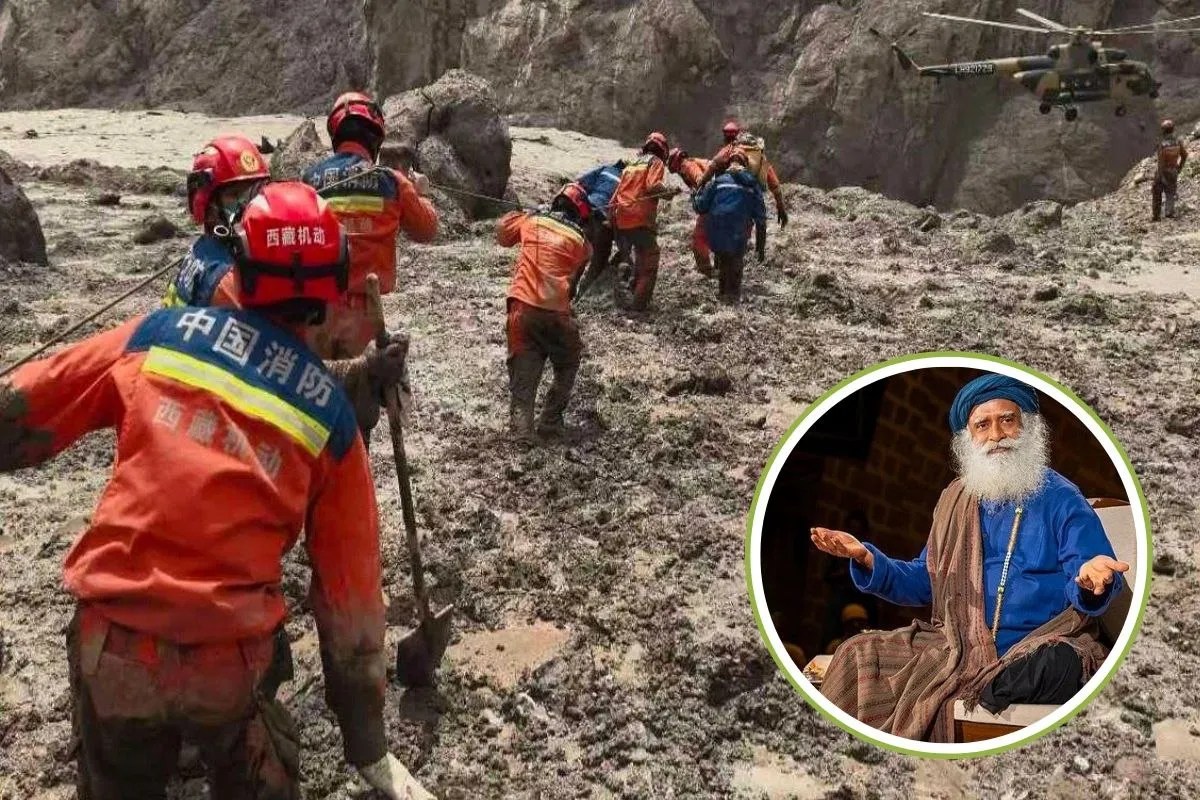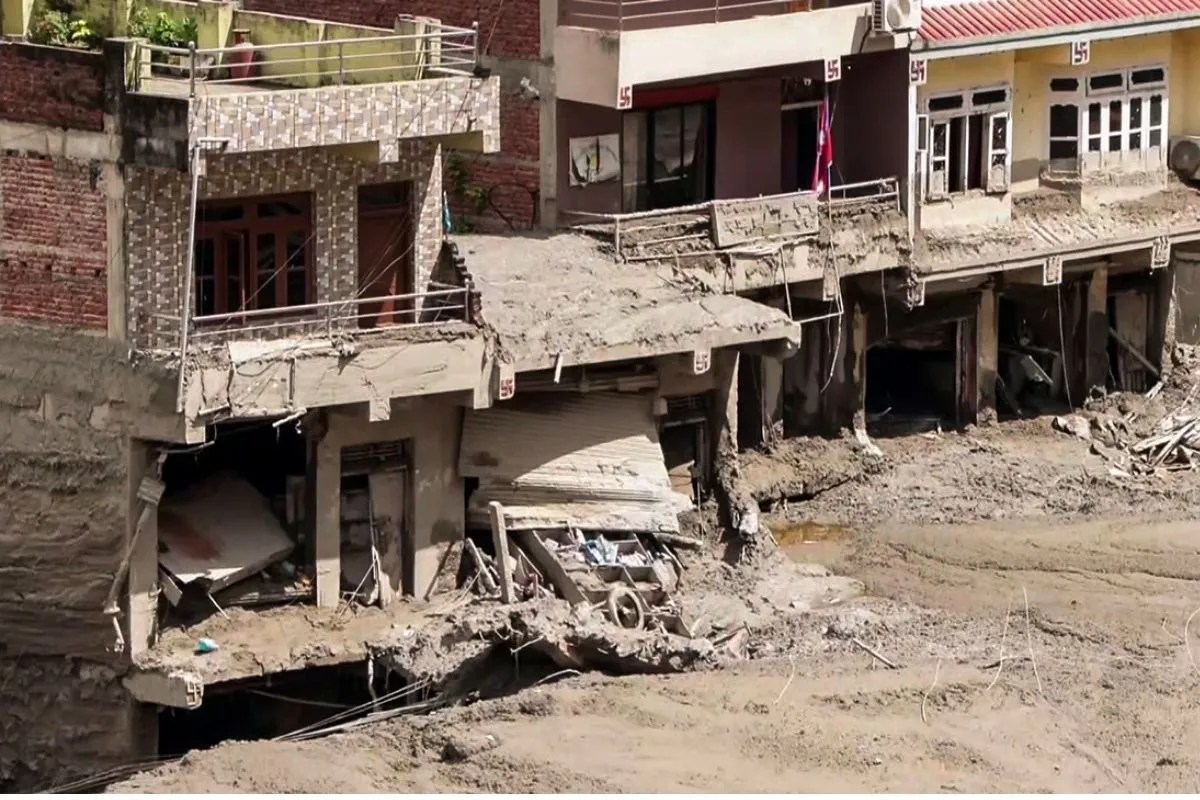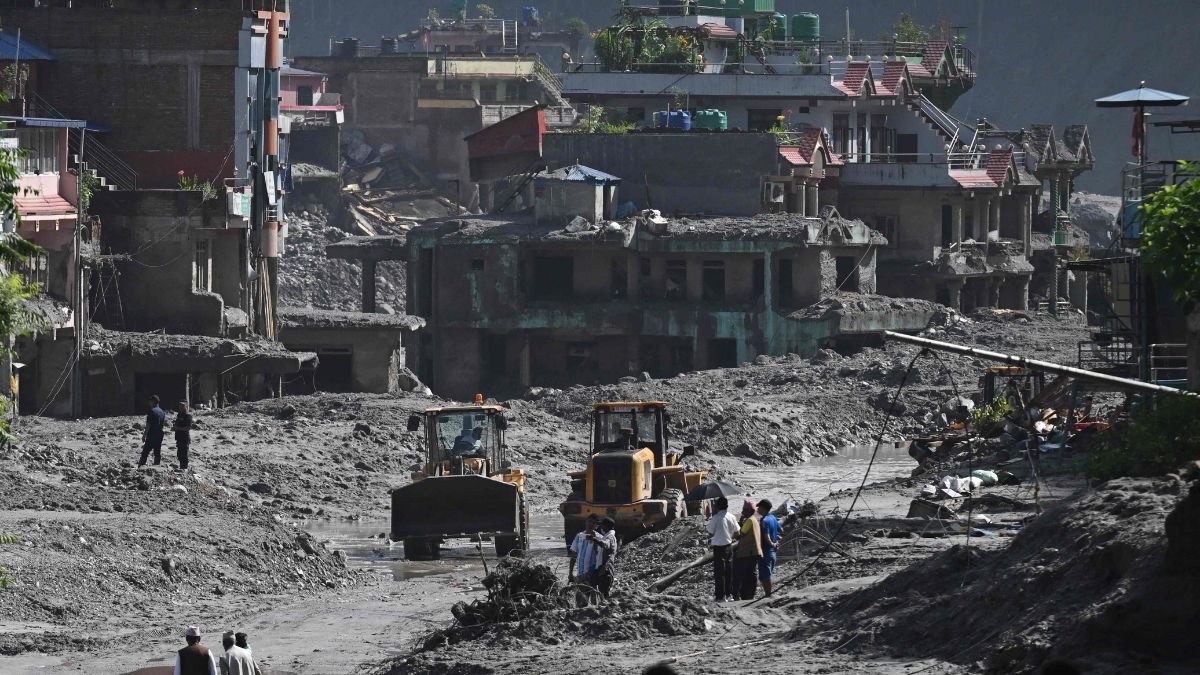
Every time a natural disaster hits the Himalayan frontier, the geopolitical machinery kicks into predictable gear. A cloudburst triggers flash floods in Nepal, spillover effects ripple into the Tibet Autonomous Region, and suddenly headlines flash across international newsrooms about dozens of missing foreign nationals. The most recent casualty reports focus heavily on Indian tourists and pilgrims stranded or unaccounted for, prompting breathless updates from Beijing, New Delhi, and every wire service in between.
The lazy consensus treats this as a standard humanitarian rescue crisis complicated only by weather. That framing is dangerously naive. If you liked this post, you should check out: this related article.
I have watched bureaucracies freeze while people wait for extraction, and I have seen how quickly a localized weather event turns into a diplomatic chess match. When forty-nine Indian citizens vanish across the high-altitude passes of Tibet following severe monsoon deluges, the immediate public reaction demands search parties and consular access. But focusing solely on the rescue metrics ignores the structural friction that makes movement across this specific border a high-stakes gamble long before the first river overflows its banks.
We need to talk about why these tragedies keep happening, why the official lists released by Chinese authorities tell only half the story, and why the standard playbook for cross-border disaster response is fundamentally broken. For another angle on this event, check out the recent coverage from USA Today.
The Geography Of Risk And Red Tape
To understand why a flood in a border region turns into an international information vacuum, you have to look past the human tragedy and examine the operational realities of the Tibetan plateau.
The terrain dictates everything. Rivers like the Karnali and its tributaries do not care about geopolitical boundaries or bilateral tensions. When heavy rainfall destabilizes saturated mountain soils, valleys turn into funnels of destruction. Roads built into sheer rock faces simply vanish. Bridges designed to handle seasonal runoff buckle under walls of debris.
Yet, the physical geography is only half the battle. The administrative geography is far more hostile.
Tibet is not a zone of casual tourism. It is one of the most heavily militarized and strictly regulated territories on earth. Every foreign visitor, particularly Indian nationals traveling on specialized religious pilgrimages like the Kailash Mansarovar Yatra, operates within a rigid framework of permits, state-sanctioned guides, and pre-approved itineraries. When a flash flood severs communication lines and washes out transport links, local officialdom does not instantly mobilize open-source rescue efforts. They lock down information flow.
When Beijing releases a list of missing foreigners, it is rarely an act of transparent public service. It is an exercise in damage control and sovereignty assertion. Every name accounted for or missing represents a diplomatic data point that must be filtered through layers of provincial security clearance before hitting foreign ministries in New Delhi.
This bureaucratic latency costs lives. While officials argue over consular protocols and restricted access zones, the critical golden hours for search and rescue slip away in the thin, freezing mountain air.
The Myth Of Seamless Bilateral Cooperation
We love to pretend that neighboring nations pool resources effortlessly during natural disasters. The reality on the ground is starkly different.
Imagine a scenario where a sudden wall of water destroys a crucial highway junction on the Tibetan side of the frontier, trapping tour buses carrying dozens of citizens from a neighboring rival state. In an ideal world, emergency response teams cross the border freely, share satellite telemetry, and coordinate airlift operations.
In the real world, geopolitical paranoia overrides human empathy.
India and China share a heavily contested, thousands-of-kilometers-long border marked by persistent military friction. Trust is effectively zero. When a disaster occurs in sensitive borderlands, security apparatuses on both sides immediately view the situation through a counter-intelligence lens rather than a humanitarian one. Are those stranded tourists legitimate pilgrims, or is this an excuse to demand unmonitored access to sensitive border infrastructure?
This institutional paranoia explains why rescue coordination is agonizingly slow. Beijing tightly controls all rescue assets in Tibet, preferring to deploy its own paramilitary and emergency units rather than accept external help or share granular operational data. Meanwhile, New Delhi is forced to rely on delayed diplomatic channels, turning emergency extraction into a high-stakes game of telephone where families waiting in Delhi or Mumbai get vague status updates hours after local units have made critical decisions.
The victims become collateral damage in a perpetual game of strategic posturing.
Dismantling The Pilgrim Paradox
Why do thousands of travelers continue to subject themselves to these extreme environments every year, often ignoring severe weather warnings?
The answer lies in the unique psychological and cultural weight attached to Himalayan travel. For many, journeys into Tibet are deeply spiritual imperatives that transcend risk assessments. Travel agencies and specialized tour operators capitalize on this devotion, often downplaying seasonal monsoon hazards to keep booking pipelines full.
Here is where the travel industry and local regulators share the blame.
Tour operators frequently cut corners on real-time meteorological monitoring to maximize profit margins during peak season. They rely on outdated historical averages rather than live satellite feeds, sending convoys into narrow river valleys just as regional weather models flash red. When disaster strikes, these operators often lack the localized emergency infrastructure to mount a self-sufficient evacuation, leaving their clients entirely dependent on state rescue services that treat foreign interlopers with suspicion.
If you are planning a journey into high-altitude border regions during peak monsoon windows, you need to abandon the comforting myth that your government can instantly rescue you if things go wrong.
What Actually Needs To Change
Fixing this recurring nightmare requires stripping away diplomatic polite fictions and confronting hard truths.
First, the tourism industry operating in high-risk Himalayan zones must face mandatory liability reform. Tour operators who gloss over weather risks to push pilgrimage quotas should face criminal negligence charges when convoys drive straight into known flood corridors.
Second, bilateral disaster protocols need to be decoupled from political hostility. There must be pre-negotiated, automated emergency corridors where search-and-rescue teams can cross borders without waiting for high-level diplomatic sign-offs. If earthquake relief can bypass political friction in other parts of the world, high-altitude flash flood rescue should be bound by the same humanitarian urgency.
Third, travelers must stop outsourcing their survival to state bureaucracies that care more about territorial optics than individual rescue timelines.
The forty-nine missing individuals in Tibet are not just statistics on a bureaucratic ledger released by a foreign ministry. They are the predictable output of a system that prioritizes border control over human life, paired with an industry that sells spiritual romance while ignoring basic operational physics.
Until we stop treating these events as sudden, unforeseeable anomalies and start treating them as systemic failures of geography, politics, and greed, the next flash flood will bring the exact same headlines, the exact same bureaucratic delays, and the exact same tragedy.
Stop waiting for borders to open out of kindness. They only open when the cost of staying closed becomes too high to ignore.