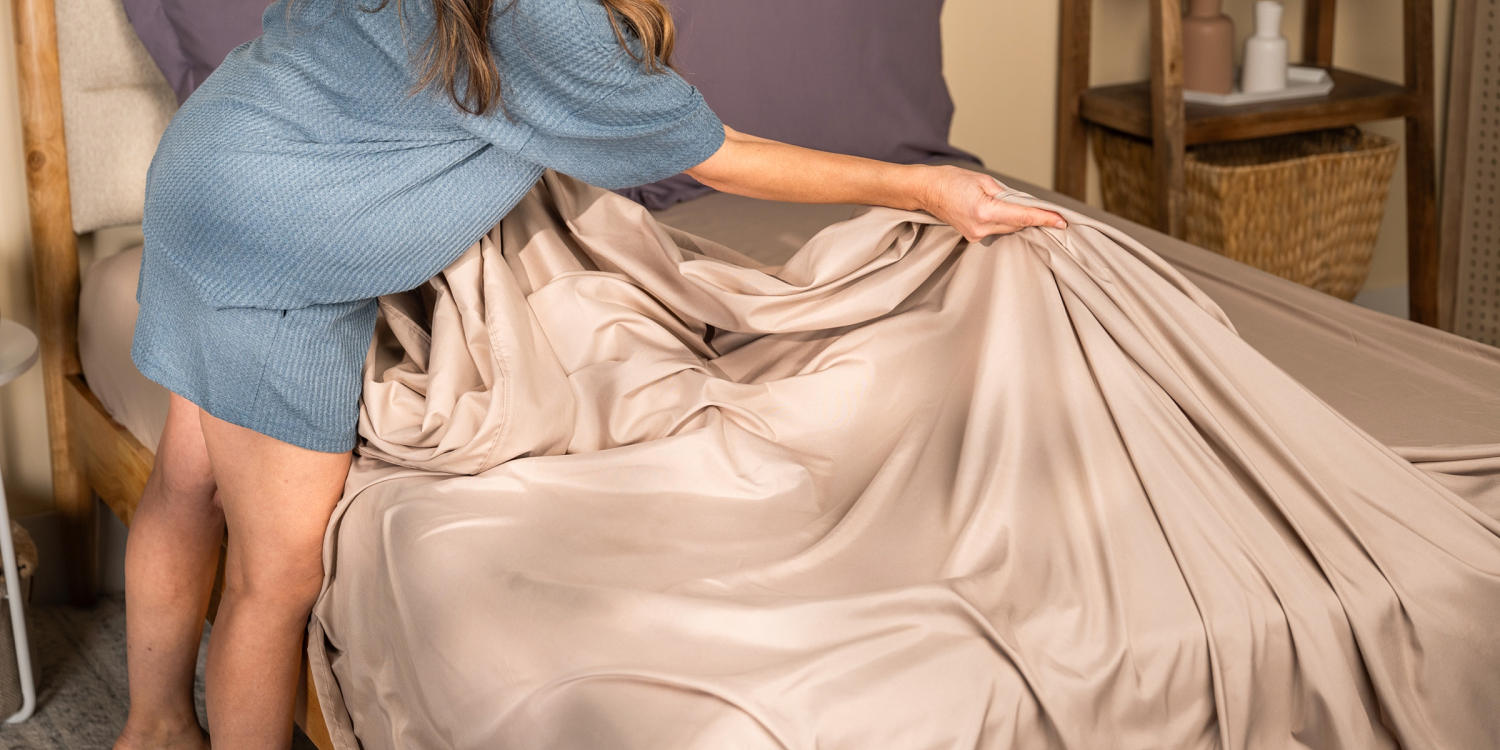
Wash your bed sheets once every single week.
That is the baseline standard. If you let it stretch to two weeks, you're hovering right on the edge of gross. Go beyond a month? You are sleeping inside a microscopic ecosystem of dead skin cells, sweat, oil, fungal spores, and dust mites.
Most people sleep on dirty bedding for way too long. We spend about a third of our lives lying in bed, dumping an estimated 15 million skin cells every night alongside cups of sweat. It builds up fast. You might not see it, but your skin feels it, your allergies react to it, and your mattress absorbs it.
Here is what you actually need to know about setting a wash routine that keeps your bed clean without destroying your fabric.
The Real Timeline for Washing Your Sheets
Once a week is the golden rule for standard situations. But life isn't standard for everyone.
Some habits fast-track the buildup of bacteria and grime. You should shorten your cycle to every three to four days if any of these apply to you:
- You sleep naked. Skin-to-sheet contact transfers body oils directly onto the fabric without a pajama barrier.
- You sweat heavily at night. Moisture creates the perfect breeding ground for bacteria and fungi.
- You let pets on the bed. Dogs and cats bring in dander, pollen, outdoor dirt, and fecal particles.
- You have seasonal allergies or asthma. Dust mites love feeding on shed skin and thrive in warm, humid weave folds.
- You suffer from frequent acne breakouts. Clogged pores often trace back to dirty pillowcases.
If you shower right before bed, wear fresh pajamas, and don't sleep with pets, you can stretch your washing window to two weeks max. Never push it past fourteen days.
What Microscopic Guests Are Living in Your Bed
It feels easy to ignore sheet maintenance because dirty fabric doesn't always smell bad immediately. But the invisible build-up happens whether you smell it or not.
Every night, your body sheds microscopic material. Dust mites—tiny arachnids invisible to the naked eye—feed exclusively on those shed skin flakes. They don't bite humans, but their waste products trigger severe allergic reactions in millions of people. Symptoms like waking up with a stuffy nose, scratchy throat, or watery eyes usually point straight to dust mite waste in your pillow and sheets.
Then there is the fungal factor. Research shows that typical feather and synthetic pillows can harbor up to 16 species of fungi if left unwashed over long periods. Combine that with body oil, lingering sweat, and residual hair products, and your mattress essentially becomes a damp sponge.
How to Wash Bed Linen the Right Way
Throwing your sheets into a washer on random settings won't always kill off bacteria or protect the fibers. You need a process.
Water Temperature Matters
Check the care label on your bedding first, but general guidance holds up for standard fabrics:
Use hot water (at least 140°F or 60°C) if you're trying to kill dust mites and scrub away stubborn oils. This works best for white cotton, heavy linen, and sturdy blends. Warm water works fine for delicate fabrics or colored sheets that might fade. Cold water cleans surface dirt, but it won't sanitize the fabric or eliminate dust mites effectively.
Don't Overuse Detergent
More soap does not mean cleaner sheets. Excess detergent builds up in fabric fibers, leaving a gummy residue that traps extra dirt and makes sheets feel stiff. Use about half the recommended amount of liquid detergent. Skip fabric softeners entirely—they coat cotton fibers in a chemical film that drastically reduces breathability and absorbency over time.
Dryer Settings and Heat Control
Tumble dry your sheets on a medium or low heat setting. High heat bakes the cotton fibers, leading to shrinkage and rapid wear. Pull the sheets out of the dryer while they are still slightly damp to reduce deep wrinkles without needing an iron.
The Pillowcase Exception
Pillowcases need a totally different routine than the rest of your sheet set.
Your face rests against the same patch of fabric for seven to eight hours every night. Saliva, oils from your hair, skin sebum, and face creams soak directly into the weave. If you struggle with facial breakout issues, change your pillowcase every two to three days. Keep a stack of extra pillowcases in your closet so you don't have to run a full laundry load every few days just to keep your face clean.
When Is It Time to Replace Sheets Completely
Even top-quality sheets don't last forever. Washing bed linen regularly causes gradual wear and tear.
Cotton and linen sheets generally last between two to three years of regular use before the fibers thin out, pill, or lose structural integrity. You will know it's time to buy new ones when the fabric feels scratchy, thin, or begins to tear near the deep pockets.
To double the lifespan of your bedding, buy at least two or three quality sets. Rotate them out weekly. Giving one set a rest in the closet allows the fibers to recover while keeping your sleep surface genuinely fresh every single night.