Real estate usually gets pitched as an endless race to build bigger, pave over more ground, and flip properties for a quick profit. We treat land like a bank account you drain until nothing's left. But every so often, someone looks at a fragile piece of nature and decides to hit the brakes.
Take a quiet bend along the Tennessee River. A couple stumbled onto a cabin perched right above the water, bought it, and then did something most modern investors find insane. They locked it down so nobody could ever pave it, subdivide it, or cram a luxury resort on top of it. They chose permanence over profit.
That choice tells a bigger story about land ownership, conservation easements, and what we actually owe to the future. Most folks assume that once you buy a piece of property, you can do whatever you want with it. Bulldoze the trees, slap down a concrete patio, or sell it to the highest bidder. But the smartest property owners are realizing that true ownership means being a steward, not a conqueror.
The Reality of Riverfront Development Pressures
Rivers are magnets. Everyone wants a view, a dock, or a weekend getaway. The Tennessee River basin supports millions of people, fueling economies, power grids, and recreation. But that popularity comes with a massive cost.
Waterfront property faces relentless pressure. Developers eye every wooded hillside and marshy cove. They see dollar signs where local wildlife sees a home. When a cabin goes up sale, the standard playbook involves tearing it down to build a sprawling modern mansion that completely alters the shoreline's ecosystem.
Runoff increases. Natural vegetation vanishes. The soil loses its grip, washing silt straight into the river and choking aquatic life. It happens slowly, then all at once.
When that couple bought their river cabin, they didn't just secure a private fishing spot. They threw an anchor into a system spinning out of control. They recognized a simple truth. If you love a place, you have to protect it from yourself and the people who come after you.
How Land Conservation Actually Works Without Losing Your Shirt
People hear conservation and picture tree-huggers chaining themselves to bulldozers. They think you have to give up all your rights and hand your keys to the state. That is completely wrong.
The secret weapon for private landowners is a legal tool called a conservation easement. It is a voluntary legal agreement between a landowner and a qualified land trust or government agency. It permanently limits uses of the land in order to protect its conservation values.
You keep the deed. You can still live in the cabin, pass it down to your kids, or sell it. The catch is that the restrictions stay with the land forever, even after you are long gone. Future owners cannot chop down the riparian buffer or build a strip mall.
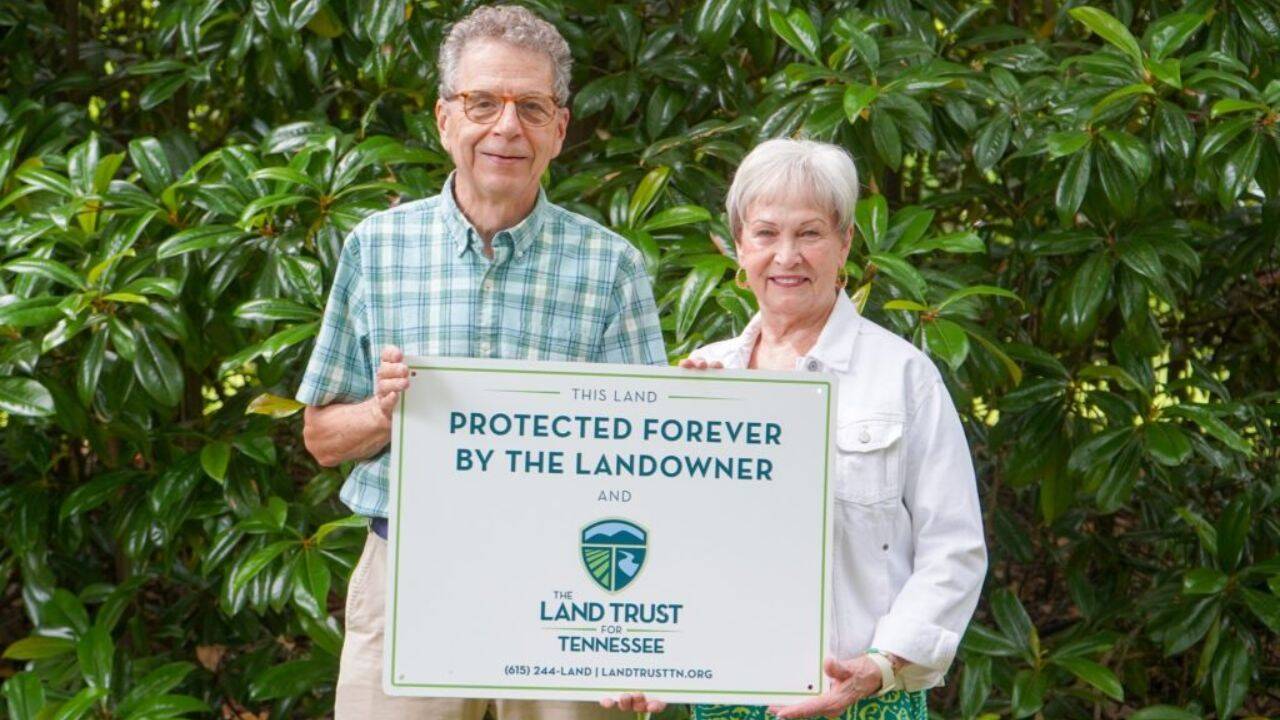
Working with groups like the Land Trust for Tennessee or similar regional organizations changes the math of property ownership. It shifts the focus from short-term equity to generational legacy.
You get tax benefits, too. Depending on how the easement is structured, donors can qualify for federal income tax deductions. State property tax reductions often follow. You get rewarded for doing the right thing. Yet, most people never look into it because they assume it is too complicated.
It takes paperwork, surveys, and legal fees. It requires a willingness to say no to future cash offers from developers who want to pack ten houses onto a single lot. That is the real test.
What You Learn Living Right Over the Water
Living directly above a major river teaches you patience very quickly. You watch the water rise after a heavy spring storm. You track the herons, the eagles, and the seasonal migration of fish. You realize you are just a temporary guest in a very old system.
When you own a place like that, maintenance is a relentless battle against moisture, rot, and erosion. Wood rots. Foundations shift. Nature constantly tries to reclaim what humans built.
Ignoring that reality leads to disaster. Good stewards spend their weekends shoring up riverbanks with native stone and deep-rooted grasses instead of pouring sterile concrete retaining walls. They keep outdoor lighting minimal to avoid confusing migrating birds. They manage septic systems strictly so nothing leaks into the current.
These aren't glamorous chores. They are daily acts of maintenance that keep the river clean for the town downstream. Most vacation home buyers skip these steps. They want the aesthetic without the responsibility.
The Shift Toward Legacy Real Estate
We are watching a quiet cultural pivot. Younger generations are starting to question the endless accumulation model. Buying real estate just to watch its value spike feels hollow when the surrounding environment gets paved into a parking lot.
People want depth. They want a place with a soul that stays intact.
Securing a cabin against future development requires hard conversations with family members. Kids don't always share their parents' conservation ideals. Sometimes heirs want to cash out immediately to buy sports cars or pay off debts. Putting legal protections in place ahead of time removes that temptation. It prevents family fights by taking the option off the table entirely.
If you own land near water, a forest, or a wildlife corridor, take a long look at your property deed. Ask yourself what it will look like fifty years from now. Will it still be a sanctuary, or will it be another subdivision with generic houses and manicured lawns?
You do not need a massive estate to make a difference. Even a small parcel can serve as a crucial wildlife stepping stone. Talk to a local land trust. Find out what easements look like in your area. Look at your property not as an exit strategy, but as a permanent gift to the landscape that was here long before you arrived.