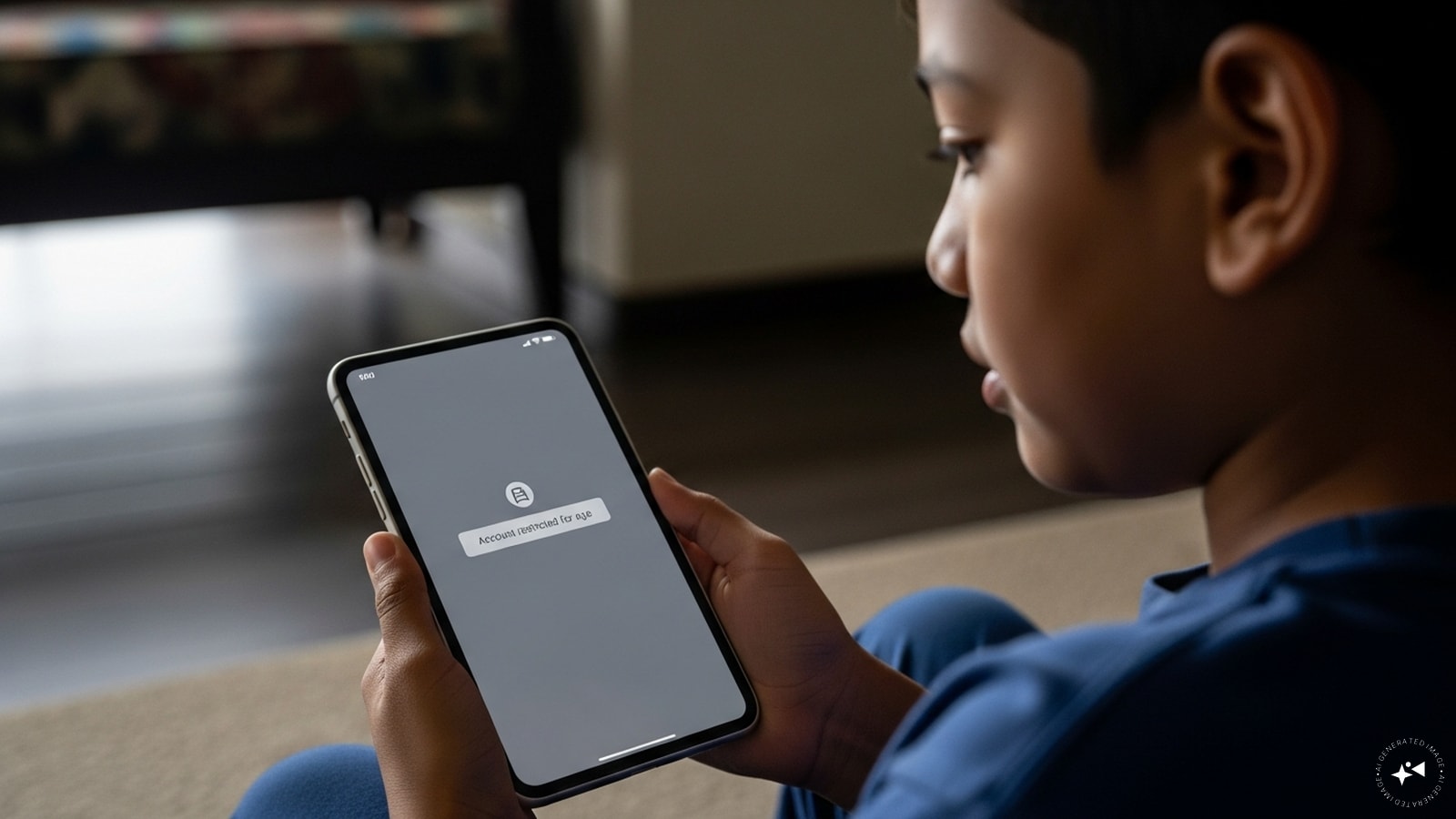
Malaysia just drew a hard line in the digital sand. As of June 1, 2026, anyone under the age of 16 is legally barred from owning a social media account.
The Malaysian Communications and Multimedia Commission (MCMC) rolled out these strict new regulations under the Child Protection Code and Risk Mitigation Code. Suddenly, tech giants like Meta, TikTok, and YouTube face a massive headache. If they let a 15-year-old from Kuala Lumpur scroll through their feed, they risk fines up to 10 million ringgit ($2.5 million).
It sounds great on paper. Protect the kids, stop cyberbullying, and halt predatory behavior. But if you've spent any time working around digital identity systems or tracking how teenagers actually use technology, you know this policy hits a massive wall of reality. Lock the front door, and kids will just climb through the window.
The Big Tech Headache of Age Verification
The MCMC has made it clear that this isn't a "check the box to prove you're born in 1990" kind of rule. They want actual results. The new rules force platforms with more than 8 million users to deploy age-verification systems tied to official government records.
For Malaysians, this means checking sign-ups against MyKad, passports, or MyDigital ID. New users get screened immediately. Existing users face sudden prompts to prove they're actually over 16. If they can't, they get booted.
[Government Database / eKYC]
       │
       ▼
[Social Media App Sign-up] ──► [Fail] ──► Account Blocked
       │
       ▼
    [Pass] ──► Access Granted
But the government left a massive backdoor open. They explicitly stated that parents won't be penalized if their kids bypass the system. Think about that for a second. If a 14-year-old wants a TikTok account, they won't try to forge a MyKad. They'll just use their mom's ID, or ask an older sibling to set up the account for them.
Tech platforms are stuck in a tough spot. The MCMC says the rules are outcome-based, giving companies flexibility in how they verify age. But high-certainty electronic Know-Your-Customer (eKYC) checks are expensive and clunky. Every time you force a user to scan an ID and complete a facial liveness check, your sign-up metrics tank.
The Privacy Nightmare Nobody Wants to Talk About
Demanding government identity documents for social media access triggers massive data privacy red flags. Digital rights advocates are rightfully alarmed. Monash University social science lecturer Benjamin Loh pointed out that requiring government IDs for simple social media access raises massive alarms.
When you force millions of teenagers and adults to hand over sensitive identity data to platforms like TikTok or X just to verify age, you create an incredibly lucrative target for hackers. Who holds this verification data? How long do they keep it? The MCMC needs to establish incredibly tight data minimization rules, but right now, those details are worryingly vague.
Freedom of expression groups like Article 19 have already called on Malaysia to withdraw the blanket ban. They argue that blocking under-16s cuts off young people from digital literacy, community support, and educational spaces. It treats the internet like a hazard to avoid rather than a space to navigate safely.
Driving Kids into the Unregulated Wild West
Meta’s director of public policy for Southeast Asia, Clara Koh, warned that blanket bans often backfire spectacularly. When you completely block teens from mainstream apps that have built-in safety teams, parental controls, and content moderation, they don't just put down their phones and go play outside.
Instead, they drift toward alternative, unmoderated corners of the internet. Think encrypted chat groups, obscure forums, and platforms operating completely outside the jurisdiction of Malaysian law. On Instagram, a teen might encounter algorithmic garbage, but on a totally unmoderated dark web forum or rogue messaging app, the risks of grooming and severe exploitation skyrocket.
Furthermore, the technology to bypass these bans is incredibly basic. Any teenager with a smartphone can download a free VPN in thirty seconds, set their location to a country without age restrictions, and completely bypass local network blocks. Unless Malaysia plans to build a national firewall, the local ban is mostly security theater.
What Needs to Happen Next
If you're a parent or an educator trying to figure out how to manage this new reality, relying solely on the government's ban to protect your kids is a losing strategy. The law simply cannot police what happens behind closed doors.
First, stop treating the ban as a foolproof shield. Check your kids' devices directly. Look for hidden apps, unauthorized secondary profiles, or VPN usage. Talk to them about why these rules exist rather than just enforcing a hard compliance line that invites rebellion.
Second, if you run an online platform operating in Southeast Asia, prepare your compliance infrastructure immediately. Even during the current grace period, you need to map out your age-gating workflow. Don't rely exclusively on ID uploads; start looking into privacy-preserving age-estimation tech, like facial analysis systems that verify age ranges without storing personal identity data.
Malaysia is part of a growing global trend, following hot on the heels of Australia's recent under-16 ban. Turkey and various European nations are closely watching these rollouts. But until governments realize that digital safety requires education and platform accountability rather than just checking IDs at the door, these laws will remain well-intentioned policy failures.