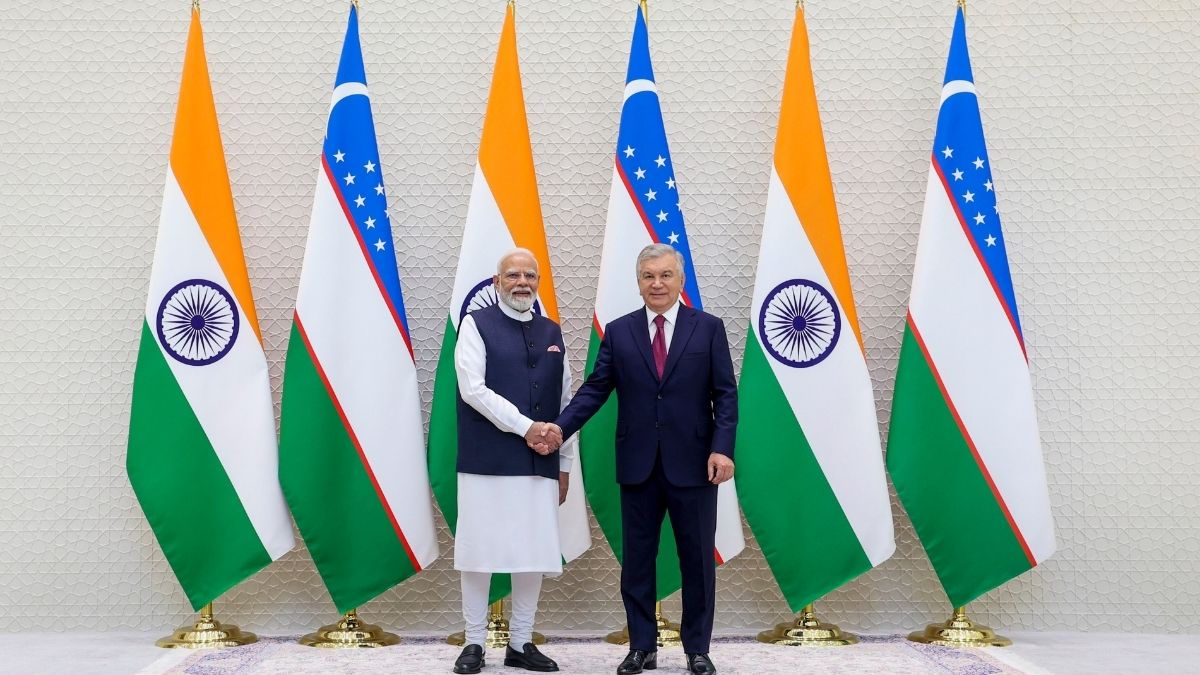
India has secured a vital foundation for its expanding civil-nuclear energy program by moving toward a renewed framework for long-term uranium imports from Uzbekistan. Announced during Prime Minister Narendra Modi's high-level diplomatic visit to Tashkent, the diplomatic push establishes a comprehensive strategic partnership aimed at locking in critical mineral resources. This framework addresses New Delhi's chronic domestic fuel scarcity, ensuring that reactor fleets have the raw yellowcake necessary to meet aggressive low-carbon electricity targets.
For decades, India's domestic atomic ambitions faced severe headwinds. While the country holds substantial thorium reserves, its extractable uranium deposits remain relatively modest and expensive to mine. This geological bottleneck restricted the capacity factor of nuclear power plants across the subcontinent. Breaking this constraint required aggressive external procurement. The upcoming long-term arrangement with Tashkent serves as a direct continuation of prior supply agreements, such as the 2019 contract that secured 1,100 metric tonnes of natural uranium ore concentrates. Also making news lately: Why Rescuing One Borneo Orangutan Exposes a Much Bigger Crisis.
The Geopolitics of Central Asian Yellowcake
Securing yellowcake from Central Asia is not merely a commercial transaction. It is a calculated chess move in a crowded regional theater. Major industrial economies compete fiercely for long-term delivery contracts from Tashkent and Astana. By elevating bilateral relations to a comprehensive strategic partnership, New Delhi has insulated its supply chains against sudden market shocks.
Logistics remain a persistent obstacle. Central Asia is entirely landlocked. Transporting sensitive radioactive materials requires navigating complex transit corridors across multiple international borders, involving strict regulatory compliance and security protocols. Unlike maritime shipping lanes where cargo moves freely between deep-water ports, overland transit from Tashkent demands absolute diplomatic alignment with intermediate nations. Further insights regarding the matter are covered by The New York Times.
Institutional mechanisms agreed upon during the summit aim to streamline these bottlenecks. Establishing a foreign minister-level coordination group and elevating joint commissions to ministerial oversight removes bureaucratic friction. When supply chains involve nuclear fuel, bureaucratic inertia can delay shipments by months. Direct political accountability ensures that customs clearance, security clearances, and transport logistics receive immediate attention from top-tier officials.
Scaling Domestic Reactors to Meet Demands
New Delhi's energy roadmap depends heavily on scaling up pressurized heavy water reactors alongside imported light water reactor designs. These facilities require a continuous, uninterrupted stream of processed fuel to maintain base-load stability. Intermittent renewable sources like solar and wind require reliable grid partners. Nuclear energy provides that balance, provided the fuel assemblies never run short.
Previous trade data indicates that bilateral commerce hovered near the one billion dollar mark before this summit. Setting a firm target of five billion dollars by 2030 reflects an ambition to weave energy security into a broader economic matrix. Beyond raw minerals, discussions encompassed digital public infrastructure, agricultural trade, and defense manufacturing. Linking uranium imports to a diversified trade basket ensures that both nations maintain a vested interest in the partnership's long-term viability.
Critics often point out that long-term bilateral supply contracts remain vulnerable to shifting geopolitical alignments and price volatility in global commodity markets. However, fixed-term intergovernmental agreements provide price predictability that spot markets cannot match. For a developing economy scaling power generation on a massive scale, budget certainty is just as critical as raw tonnage.
Fueling the Next Decade of Atomic Growth
The timing of this arrangement coincides with a critical phase in India's nuclear expansion timeline. Several new domestic reactors approach completion, and operationalizing them requires building substantial fuel reserves well in advance. Relying on spot purchases exposes state utilities to sudden price spikes driven by global supply disruptions or unexpected mine closures.
Uzbekistan stands as one of the world's leading producers of natural uranium, utilizing efficient in-situ recovery methods that minimize environmental disturbance compared to traditional hard-rock mining. Partnering with Tashkent allows Indian nuclear authorities to tap into mature extraction infrastructure without bearing the front-end capital expenditure of mine development.
Bilateral defense cooperation and joint industrial manufacturing initiatives further anchor this diplomatic outreach. When nations share security concerns and industrial goals, critical resource agreements carry heavier political weight. As regulatory frameworks finalize over the coming months, the focus will shift from diplomatic communiques to actual transit manifests, testing whether administrative structures can keep pace with geopolitical ambitions.