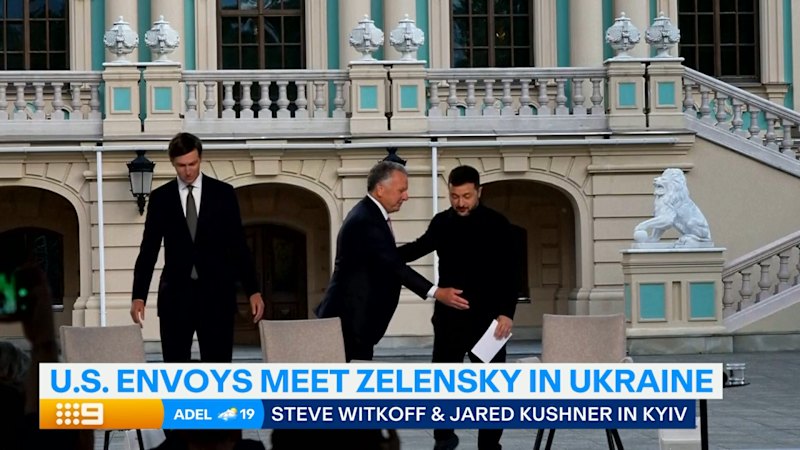
High-ranking American diplomats arrived in Kyiv under heavy operational security, initiating a fresh round of closed-door consultations with President Volodymyr Zelenskyy and his senior ministers. This quiet mission arrives at a critical juncture where battlefield realities clash directly with shifting political realities in Washington and European capitals. The official readouts from these diplomatic missions often emphasize unwavering solidarity and ongoing security assistance packages. Yet, behind the polished statements lies a complex and tense negotiation regarding long-term strategy, territorial endurance, and the mechanics of future resource distribution.
Understanding these diplomatic maneuvers requires looking beyond standard press briefings. US envoys are not merely delivering reassurance; they are auditing the progress of military aid, evaluating internal anti-corruption measures, and attempting to synchronize timelines for a protracted conflict. The conversations are candid, demanding, and occasionally contentious.
The Shifting Calculus of Military Support
Washington's aid pipeline faces unprecedented scrutiny from domestic lawmakers, turning every shipment into a legislative battleground. When American envoys sit across the table from Ukrainian leadership, they carry the weight of congressional skepticism and shifting public opinion. The core challenge centers on sustainability.
Ukraine's armed forces require predictable streams of heavy weaponry, air defense interceptors, and maintenance supplies to maintain their defensive posture and counter-offensive capabilities. However, Western industrial capacity remains constrained.
- Production Bottlenecks: Manufacturing specialized artillery shells and advanced missile defense batteries takes years, not months.
- Stockpile Depletion: Pentagon stockpiles have reached operational thresholds that trigger risk assessments among military planners.
- Fiscal Drag: Securing multi-year funding bills requires navigating a polarized legislature where foreign aid faces intense fiscal pushback.
These realities dictate the pace and tone of the discussions in Kyiv. Envoys must balance Ukrainian operational demands with the stark physical limits of Western supply chains. The message delivered behind closed doors is direct: recipient nations must optimize resource utilization while Washington fights to keep the financial taps open.
Reform Demands and Internal Accountability
Military assistance is intrinsically tied to governance benchmarks. American diplomats continually press Kyiv on institutional reforms, judicial independence, and systemic transparency. This is not driven by bureaucratic idealism, but by strict political necessity back home.
Supporters of continued aid in the US must be able to defend the integrity of the supply chain against allegations of waste or misuse. Consequently, meetings between US officials and the Ukrainian administration invariably address oversight mechanisms. Independent anti-corruption bodies, customs enforcement, and defense procurement transparency form major pillars of these closed-door agendas.
Ukraine's leadership understands this dynamic well. Implementing painful administrative changes during wartime is extraordinarily difficult, yet essential for maintaining international backing. The tension between emergency wartime speed and rigorous bureaucratic oversight defines much of the day-to-day diplomatic engagement.
The Strategic Horizon
Beyond immediate logistics, the talks in Kyiv touch on the broader endgame. Strategic alignment between Washington and Kyiv has experienced friction points, particularly regarding long-range targeting permissions, strategic defense doctrines, and eventual pathways toward stability.
While public statements project absolute harmony, diplomatic channels grapple with difficult questions about what victory or a sustainable ceasefire looks like. The US seeks to avoid direct escalation with nuclear-armed adversaries while ensuring Ukraine retains enough leverage to negotiate from a position of strength if and when political talks commence.
Ukraine, meanwhile, argues that artificial restrictions on weapon usage or premature pressure toward compromise only embolden opposing forces. These divergent perspectives shape the closed-door negotiations, transforming routine diplomatic visits into high-stakes bargaining sessions over the future security architecture of Eastern Europe.
As the motorcades depart the government quarter and the envoys board their secure transport back across the border, the immediate fallout remains hidden behind diplomatic communiqués. The real measure of these meetings will not appear in today's headlines, but in the upcoming logistics manifests, the passage of oversight legislation, and the shifting rhythms of the front lines.