The morning air in South Florida carries a distinct weight long before the sun climbs high enough to bake the asphalt. It is thick with the scent of salt, distant mangroves, and the heavy, humid promise of an afternoon squall. On ordinary days, the sky above Miami belongs to the gulls and the high-altitude silver needles of commercial jets climbing steadily toward the Caribbean. But the sky has a fickle memory. It forgets nothing of the weight it bears, and sometimes, without warning, it demands a reckoning.
Five lives ended in a fraction of a second beneath that indifferent blue.
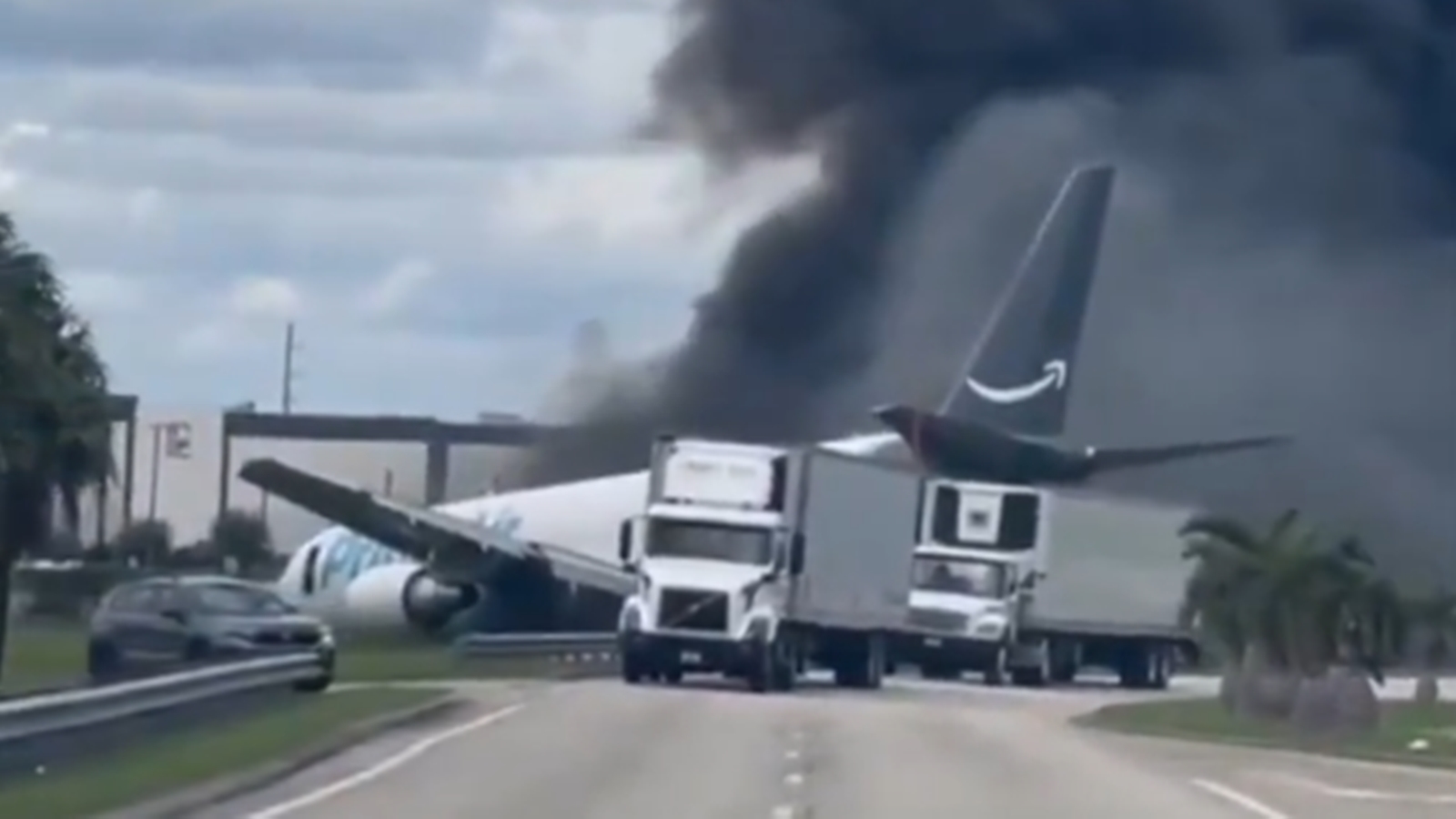
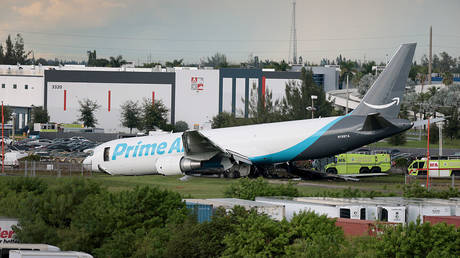
To the news tickers, the event was reduced to a sterile coordinate: a small twin-engine aircraft, a sudden loss of altitude, a catastrophic impact near a residential artery, and an immediate containment perimeter. Sirens wailed. Helicopters churned the air into a muddy froth. First responders moved with the grim, practiced efficiency of people who have seen this script played out before on the sun-bleached concrete of the coast.
Numbers are easy to digest. Five. A twin-engine charter or private transport. An afternoon departure. An unrecoverable descent.
We process these digits because our minds recoil from the alternative. We prefer our tragedies cataloged, neatly filed away under local news updates, accompanied by stock footage of flashing red lights reflecting off wet pavement. It protects us. If a plane falls because of a mechanical failure or a sudden shearing wind, we tell ourselves it is an anomaly—a mechanical hiccup in an otherwise infallible modern system of transit.
Yet, behind the cold statistics lie the quiet, shattered margins of human existence. Consider the pilot who walked out to the tarmac hours earlier, running a calloused palm along the leading edge of a wing, checking the fuel caps with the habitual thoroughness of someone who trusted physics more than luck. Consider the passengers carrying briefcases or weekend bags, locked in the mundane mental theater of arrival times, missed calls, and the dinner reservations waiting at their destination. They were breathing in the heavy Miami air, entirely unaware that the universe was about to draw a hard, sharp line across their timeline.
Gravity does not negotiate. When a machine weighing several thousand pounds loses its invisible purchase on the wind, the descent is swift and unforgiving. Witnesses on the ground spoke of a sound like tearing metal, a sudden unnatural silence, and then the suffocating black plume that rose above the tree line like an exclamation point written in soot and fuel.
There is a profound vulnerability in how we live our lives suspended between the earth and the stratosphere. We board aluminum tubes and trust our fragile bodies to Bernoulli’s principle and the competence of strangers. We look out oval windows at the patchwork quilt of fields, highways, and rooftops, marveling at our own audacity. We have conquered the horizon, carved pathways through the clouds, and made oceans feel like puddles.
Then an engine sputters. A control surface fails. A microburst strikes with the force of a falling anvil.
In that sudden transition from flight to impact, the illusions of modern insulation vanish. The people aboard that Miami flight did not perish as data points in an aviation safety report. They died with their private thoughts, their unfulfilled promises, and the sudden, terrifying realization that the sky is not a highway, but an element.
Hours later, the smoke cleared, leaving only the smell of scorched rubber and aviation fuel lingering in the subtropical breeze. Investigators in neon vests sifted through the debris, measuring skid marks, tagging fragments of aluminum, and collecting the silent black boxes that would eventually translate the final moments of terror into graphs and transcripts. They will find a cause. They will write a report. Recommendations will be filed, safety bulletins will circulate, and the industry will adjust its parameters by a fraction of a degree.
The city will move on, too. Traffic will thicken along the Palmetto Expressway. Tourists will crowd the beaches. Planes will continue to roar overhead, climbing relentlessly toward the Atlantic.
Yet, for those who watched the plume rise that afternoon, and for the families whose worlds permanently fractured in the span of a heartbeat, the sky will never look quite the same. It remains vast, beautiful, and uncaring, a brilliant canvas stretched endlessly above us, hiding its sudden violence behind a mask of serene blue.