Prime Minister Narendra Modi recently used his Independence Day address from the Red Fort to warn the country about dimagi Naxals, or intellectual Naxals, describing them as ideological architects who manipulate public policy and keep anti-establishment sentiments alive. This rhetoric marks a calculated evolution from earlier warnings regarding armed Maoist insurgencies in remote forest belts to a much broader ideological contest taking place inside mainstream institutions. Understanding this shift requires looking past standard political talking points to examine how governance, dissent, and state power collide in contemporary India.
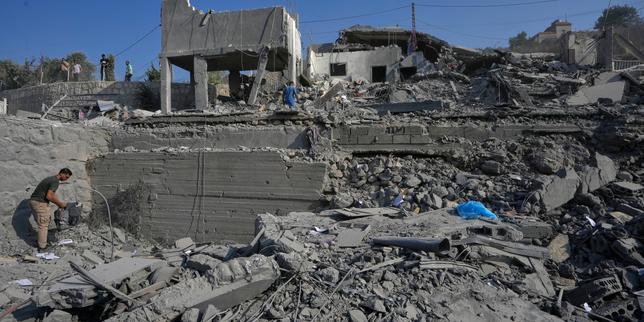
For decades, the physical conflict involving Maoist insurgents played out across marginalized tribal regions, resulting in the deaths of thousands of security personnel and civilians. As security forces systematically reduced the geographical footprint of armed rebellion over the last decade, state focus shifted toward the urban and intellectual ecosystems that authorities claim provide ideological sustenance to the movement.
Critics argue that labeling academics, lawyers, journalists, and political opponents as intellectual subversives creates a chilling effect on legitimate democratic dissent. When policy disagreements are framed as threats to national security, the boundary between criminal action and political opposition begins to blur. This ambiguity serves a dual purpose in modern statecraft. It allows the administration to maintain a posture of constant vigilance while delegitimizing institutional criticism as partisan sabotage.
The opposition has pushed back sharply against these characterizations. Senior political figures note that branding critics with terms like intellectual or urban Naxals is a defensive maneuver designed to deflect scrutiny from governance failures, inflation, and unemployment. They contend that policy debates within government committees and academic spaces are fundamental to a functioning democracy rather than evidence of a hidden Maoist conspiracy.
Yet, the ruling establishment maintains that ideas have consequences. The core argument rests on the premise that armed rebellions cannot survive without logistical, legal, and ideological backing from sympathizers embedded in urban civil society. From this perspective, targeting the intellectual infrastructure of an insurgency is just as vital as dismantling its armed cadres in the jungle.
This ideological friction highlights a deeper transformation in how political legitimacy is contested. State power is no longer measured solely by control over physical territory or the suppression of armed uprisings. It increasingly relies on dominating the narrative space and defining who belongs within the national mainstream. As the political vocabulary hardens around terms like intellectual Naxals, the space for neutral arbitration shrinks. Every institutional appointment, university seminar, and public policy debate becomes a proxy war for the soul of the republic, leaving little room for compromise or independent thought.