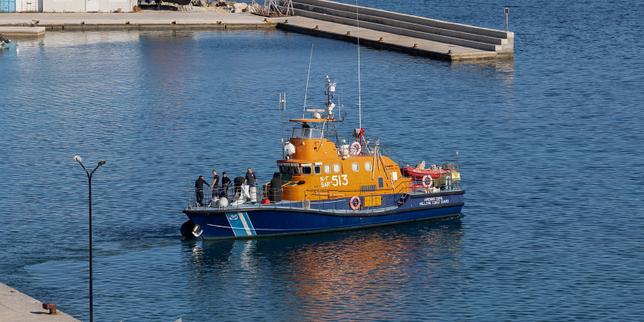
Twelve people died in two separate incidents in the Aegean Sea—including a baby—exposing once again the lethal mechanics of an eastern maritime border where smugglers, shifting patrol tactics, and cramped vessels converge in cold, unpredictable waters. Headlines typically register these tragedies as sudden accidents. Decades of covering border enforcement and maritime crossings tell a different story. These wrecks rarely happen out of nowhere. They are the predictable result of structural pressure, overloaded boats, night crossings, and contested rescue dynamics along one of Europe's most heavily policed sea corridors.
A competitor headline frames the event simply around the death toll of twelve migrants and one infant across two accidents in the Aegean Sea. That framing captures the immediate shock, yet it stops right where real investigative reporting begins. Counting bodies without examining the operational chain that put those people in an inflatable dinghy or wooden hull in the dark misses how this corridor actually functions. Every crossing carries a chain of decisions made far from the shoreline, shaped by smuggling economics, weather windows, diplomatic friction, and enforcement priorities.
Why Small Boats Keep Failing in the Aegean
The Aegean Sea looks deceptively compact on a map. Short distances between the Turkish coast and Greek islands such as Lesbos, Chios, Samos, or Kos convince many travelers—and push smugglers to claim—that the trip is brief and manageable. Reality on the water is far harsher. Sudden gusts known as meltemi or winter squalls whip up short, steep chop that can swamp a low-freeboard craft in seconds.
Smugglers optimize for profit per hull, not seaworthiness. Cheap rubber dinghies with underpowered outboard motors are packed well beyond safe capacity, leaving virtually no margin when waves break over the bow or when an engine stalls. Even small fiberglass or wooden boats become unstable when dozens of passengers shift weight out of fear or cold. Once water enters an overloaded vessel, buoyancy drops rapidly, and passengers without proper flotation—especially infants and small children—face immediate peril.
Hypothermia compounds the danger even when a boat stays afloat. Water temperatures in the Aegean drop sharply outside high summer, and wet clothing pulls body heat away far faster than air. An infant or young child loses core temperature at a fraction of the time it takes an adult, turning a delayed rescue or a capsized hull fatal within minutes.
How Enforcement Shapes Smuggler Routes
Border enforcement does not operate in a vacuum. When authorities tighten surveillance or patrol visible stretches of coast more aggressively, smuggling networks adapt almost immediately. They shift departure points to remoter coves, launch under cover of darkness or bad weather when radar and thermal optics face tougher conditions, or use faster, smaller runs aimed at slipping past detection.
This cat-and-mouse dynamic raises the stakes for everyone on board. Crossing at night reduces visibility for both smugglers and rescuers. When a vessel gets into trouble after dark or near rocky headlands, locating people in the water becomes far harder. Search-and-rescue coordination can also become tangled when incidents occur near contested maritime zones, shifting jurisdiction lines, or overlapping patrol areas.
Over years of reporting on maritime borders worldwide, one pattern repeats stubbornly. Hardening a single choke point rarely ends crossings on its own unless underlying push factors and smuggling networks are disrupted together. Instead, tougher interdiction often pushes routes into more hazardous conditions, increasing the odds that routine mechanical trouble turns into a mass casualty event.
The Human Toll Behind Two Separate Incidents
Two separate tragedies claiming twelve lives—with an infant among the dead—highlight how fragile these journeys remain across different moments and vessels. Two incidents do not mean a single flaw in one boat. They point to systemic hazards affecting multiple crossings along the same stretch of sea.
Families travel together because displacement rarely leaves individuals behind. Parents carry infants and young children onto boats because staying put feels impossible or because separation seems worse. Yet infants are the most vulnerable passengers imaginable in open water: they cannot cling to debris, cannot swim, and succumb to cold and aspiration almost instantly when a vessel capsizes.
Survivors of Aegean shipwrecks consistently describe similar moments of terror. A motor dies. Waves hit sideways. People scramble or are thrown into the dark water. Chaos erupts in seconds, and by the time patrol craft or fishing boats reach the scene, accounting for everyone on board is grim and uncertain.
Jurisdiction Gray Zones and Delayed Response
Maritime emergencies test coordination faster than almost any other crisis. A distress call might come from a mobile phone with a weak signal, a satellite device, or a witness onshore. Determining exact coordinates, confirming vessel status, and dispatching assets takes precious time.
When rescue operations intersect with politically sensitive waters or disputed search-and-rescue responsibilities, friction can slow response or cloud accountability. Even when crews act swiftly once alerted, distance, sea state, and darkness impose hard physical limits. A patrol boat twenty nautical miles away cannot teleport to a sinking dinghy.
Accounts of pushbacks, disputed interceptions, and contested rescue narratives further complicate trust and transparency in the Aegean. Observers, authorities, and human rights groups frequently clash over what happened in specific incidents—whether a vessel was in distress, whether interception occurred inside territorial waters, or how quickly aid arrived. Separating verified facts from political spin requires careful scrutiny of radar logs, survivor testimonies, and official statements, none of which bring back the dead.
What Policymakers Miss When Counting Casualties
Official tallies measure confirmed recoveries and reported missing persons. They rarely capture the full picture of a corridor where unseaworthy boats sometimes vanish without a trace or where bodies wash ashore days later far from the original crossing point.
Short-Term Deterrence Versus Long-Term Stability
Governments under domestic pressure often lean heavily on visible border enforcement. Patrols, fencing, detention measures, and tougher rhetoric signal resolve to voters at home. Those measures can reduce arrivals along specific routes for stretches of time.
They do not fix the wars, economic collapse, persecution, or climate strain driving people to risk their lives in the first place. Nor do they dismantle transnational smuggling rings on their own when demand remains high and alternative legal pathways are narrow or slow. Relying almost exclusively on maritime deterrence treats symptoms at the water's edge while leaving the engine of displacement running.
Real Reform Requires Tough Trade-Offs
There are no painless fixes in the Aegean. Expanding safe, predictable legal channels raises difficult political questions about reception capacity, integration, and burden-sharing among European states. Tightening cooperation with transit countries raises equally sharp questions about human rights safeguards and accountability.
Pretending there is an easy middle ground is dishonest. Every policy choice carries costs and risks. Ignoring maritime safety standards, leaving search-and-rescue mandates ambiguous, or treating drownings as routine background noise carries the heaviest cost of all—measured in lives lost in cold water.
Every grave dug after a wreck in the Aegean is a reminder that border policy is never just lines on a map. Real accountability starts by asking who profited from putting twelve people—including a baby—onto the sea, and what changes before the next boat leaves the shore.


