The November 2026 midterm elections transformed the balance of power in Washington, stripping Republicans of unified control by flipping both the House of Representatives and the Senate to Democratic majorities. Driven by voter backlash against inflation, elevated energy costs from the February conflict with Iran, and aggressive administrative overreach, electorate dissatisfaction triggered sweeping seat turnovers across traditional battlegrounds and red-state strongholds alike.
                                  2026 MIDTERM BALANCE OF POWER
┌──────────────────────────────────────────────────────────────────────────────────────────────┐
│ HOUSE OF REPRESENTATIVES: DEMOCRATIC MAJORITY (Flipped)                                     │
│ ├─ Key District Flips: MI-10, NY-17, IA-1, PA-10, VA-2, CO-8, AZ-6, OH-7, CA-22, IA-3        │
│ └─ Driver: Suburban revolt, opposition to high consumer prices and aggressive redistricting   │
├──────────────────────────────────────────────────────────────────────────────────────────────┤
│ UNITED STATES SENATE: DEMOCRATIC MAJORITY (Flipped)                                         │
│ ├─ Key Senate Flips: Alaska (Peltola), Kansas (Hamilton), Iowa (Turek), Maine (Jackson)     │
│ └─ Defensive Holds: Georgia (Ossoff) retained comfortably                                   │
└──────────────────────────────────────────────────────────────────────────────────────────────┘
The Red-State Senate Collapse
Standard political playbooks suggested Republicans would retain the Senate, given a favorable 2026 map. That thesis dissolved as Democrats built unconventional state coalitions. If you enjoyed this post, you might want to look at: this related article.
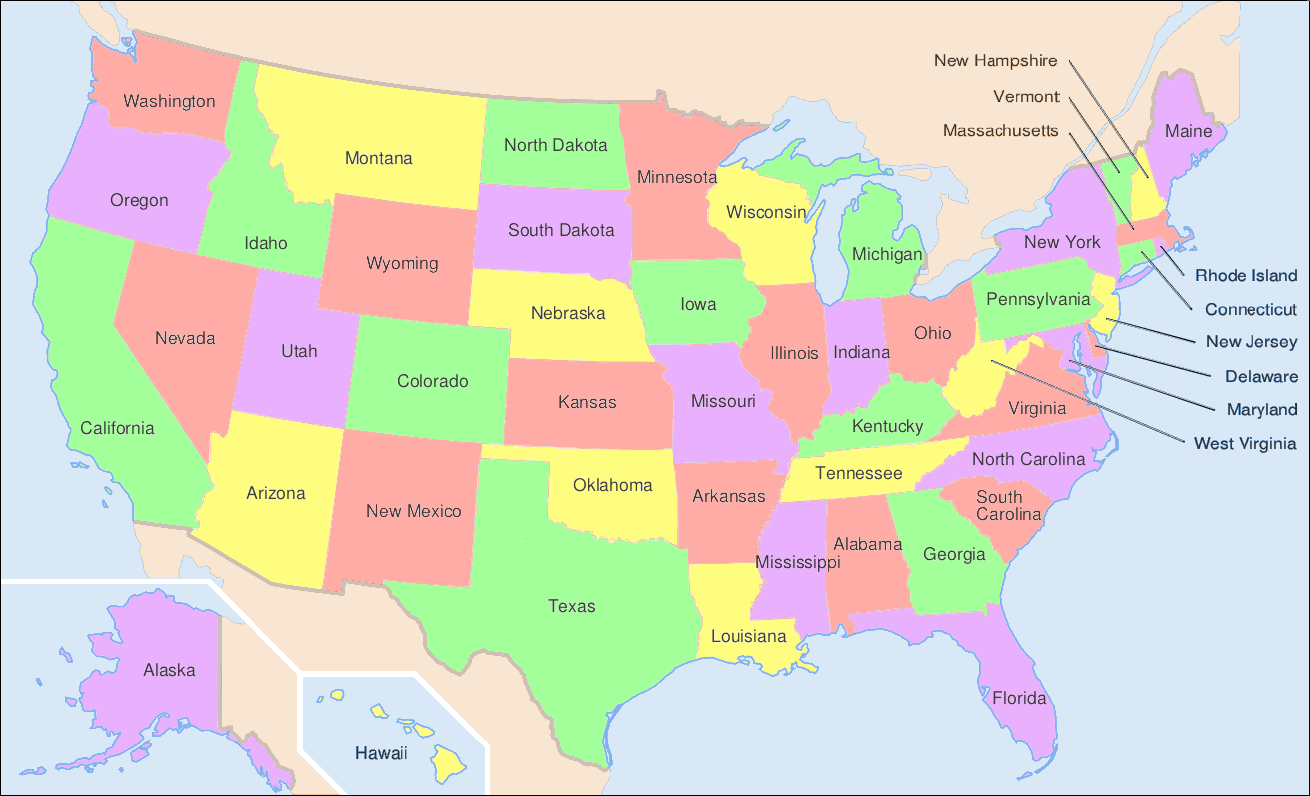
In Kansas, Democratic challenger Adam Hamilton defeated incumbent Republican Roger Marshall, marking the first time the state elected a Democrat to the Senate since 1932. In Alaska, Mary Peltola unseated incumbent Republican Dan Sullivan. Iowa saw Paralympian Josh Turek win the seat vacated by Joni Ernst, defeating Republican Ashley Hinson. In Maine, Troy Jackson prevailed over long-time incumbent Susan Collins, while Jon Ossoff held his Georgia seat comfortably against Republican challenger Mike Collins.
                 HISTORIC SENATE FLIPS: 2026 MIDTERMS
┌──────────────┬───────────────────────────────┬───────────────────────────────┐
│ State        │ Winner                        │ Incumbent / Unseated          │
├──────────────┼───────────────────────────────┼───────────────────────────────┤
│ Kansas       │ Adam Hamilton (D)             │ Roger Marshall (R)            │
│ Alaska       │ Mary Peltola (D)              │ Dan Sullivan (R)              │
│ Iowa         │ Josh Turek (D)                │ Joni Ernst (R - Retired)      │
│ Maine        │ Troy Jackson (D)              │ Susan Collins (R)             │
└──────────────┴───────────────────────────────┴───────────────────────────────┘
These victories stemmed from localized messaging centered on working-class economic pressure, healthcare costs, and government corruption, neutralizing traditional party-line default voting. For another angle on this development, check out the latest update from Reuters.
House Flipping on District Margins
The House of Representatives flipped to Democratic control following a series of targeted victories across competitive suburban and rural-leaning districts.
Despite extensive mid-decade partisan redistricting aimed at securing Republican seats, voters flipped key seats across multiple states:
- Michigan: Christina Hines captured MI-10, and William Lawrence took MI-7.
- Iowa: Christina Bohannan won IA-1, while Sarah Trone Garriott secured IA-3.
- New York & Pennsylvania: Cait Conley flipped NY-17, and Janelle Stelson defeated incumbent Scott Perry in PA-10.
- Western Battlegrounds: Manny Rutinel took CO-8, JoAnna Mendoza flipped AZ-6, and Randy Villegas won CA-22.
Suburban voters turned decisively against the administration's fiscal posture, high borrowing costs, and fuel price volatility.
Economic Drivers and Foreign Conflict Spillovers
Elections rarely hinge on a single variable, but the sudden escalation of energy prices following the start of the Iran conflict in late February 2026 proved devastating for incumbent Republicans. Gas pump spikes fed straight into general consumer inflation.
Simultaneously, massive campaign expenditures—including more than $3.8 billion in total political ad spending nationwide—failed to offset voter frustration over daily household expenses, tariff-driven price increases, and elevated 10-year Treasury yields that pushed mortgage rates higher.
Divided Government and the 2028 Horizon
With Democrats taking majorities in both the House and the Senate, executive authority faces immediate structural checks. Unilateral policy enforcement, judicial confirmations, and cabinet appointments now require bipartisan negotiation or face complete legislative halt.
Subpoena power shifts to Democratic committee chairs, signaling immediate shifts toward oversight of executive spending, presidential pardons, and regulatory rollbacks. The 2026 midterms ended the period of unified governance, establishing a divided political landscape that will define the ramp-up to the 2028 presidential election cycle.