Walk through Central at rush hour and you'll feel it. The heat from idling diesel engines. The smell of exhaust. While 70% of new private cars in Hong Kong are now electric, our public transport is stuck in a different decade. It's a weird contradiction. We're a global leader in private EV adoption, yet our buses and taxis—the workhorses of the city—are lagging behind.
The math is simple but the reality is messy. Taxis and franchised buses account for a massive chunk of our roadside emissions. If we don't fix this, the "blue sky" days the government promises will stay a pipe dream. The problem isn't just about buying new vehicles. It's about a city that wasn't built for a giant plug-in revolution.
The Brutal Reality of the Double Decker Problem
Hong Kong isn't London or Singapore. Our buses face a triple threat: extreme heat, incredibly steep hills, and massive passenger loads. Most double-deckers here need to run air conditioning at full blast for 18 hours a day. That drains a battery faster than you can say "Peak Tram."
Currently, an electric bus costs about 50% more than a diesel one. Even with government subsidies, that’s a tough pill for operators to swallow when they aren't sure the tech can handle a full shift on a route like the 101 or 112. We're seeing progress, though. MTR Corporation recently took delivery of 35 Enviro500EV double-deckers. These aren't just off-the-shelf models; they use a heavy-duty drive system specifically designed for our topography. But 35 buses in a fleet of thousands? It’s a drop in the ocean.
Why Taxi Drivers are Terrified of the Switch
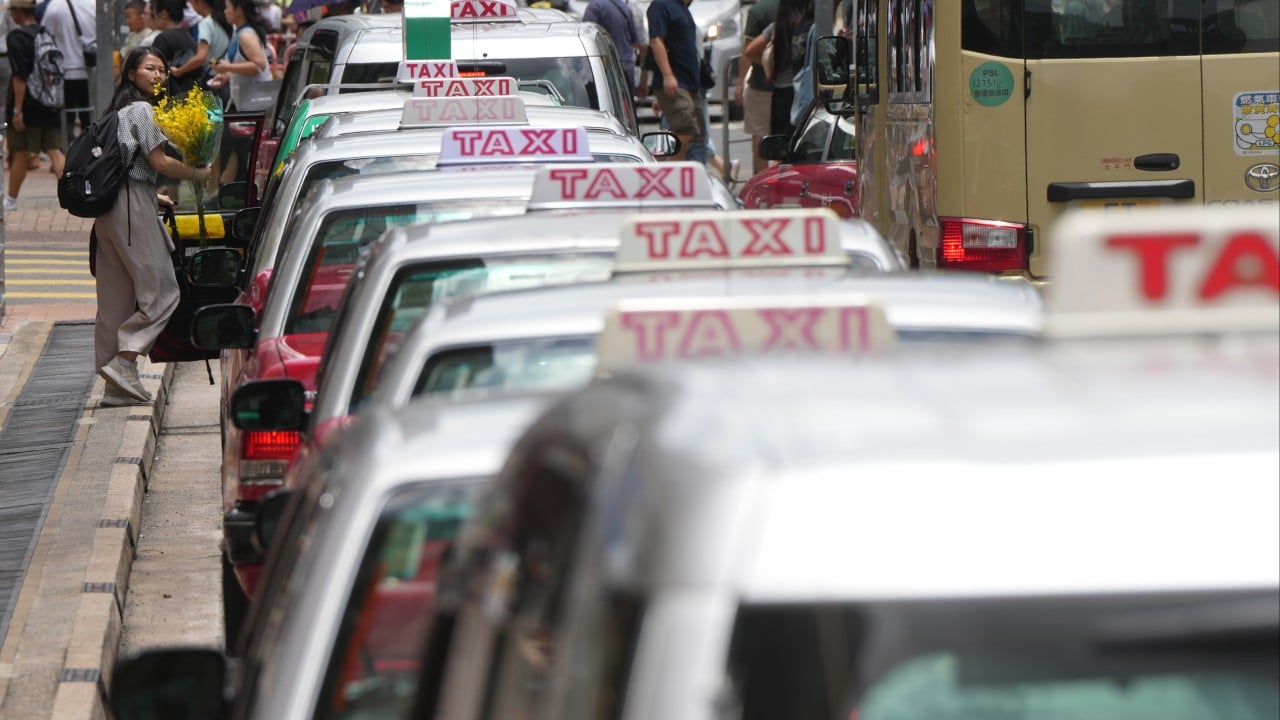
If you’re a taxi driver, time is literally money. Changing a shift takes 15 minutes. Refueling with LPG takes five. If an electric taxi (e-taxi) needs 30 to 45 minutes at a fast charger, that’s 30 minutes of lost fares. In a city where drivers already struggle with high rents and dwindling passengers, that half-hour is a dealbreaker.
The infrastructure isn't there yet. We have about 16,500 public chargers, but only a fraction are fast chargers. If a driver has to circle a car park in Kowloon Bay looking for a working plug, they're losing money. The government’s goal is 200,000 charging spaces by 2027, but the focus has been heavily on private residential buildings. That doesn't help the cabbie who lives in a public housing estate with zero charging facilities.
The Hidden Cost of Doing Nothing
We keep talking about the price of the vehicles, but what about the price of the status quo?
- Health Costs: Roadside nitrogen dioxide levels are still a major trigger for asthma and heart disease in dense areas like Mong Kok.
- Maintenance: Diesel engines are complex. They have hundreds of moving parts that break. Electric motors are simpler and, in the long run, 30-40% cheaper to maintain.
- Energy Security: We're at the mercy of global oil and gas prices. Electricity, especially as we integrate more regional green power, offers a more stable cost structure.
The government recently updated its EV Roadmap in February 2026. They're finally admitting that commercial vehicles are the "hard part." They're setting up a dedicated working group to find models that actually fit our "local conditions." That's code for: "We realized the early stuff didn't work, and we're starting over."
Infrastructure is the Real Bottleneck
You can't just plug a fleet of 100 buses into the wall. You need a massive power grid upgrade for every depot. We’re talking about megawatt-level charging. This requires coordination between the power companies (CLP and HK Electric) and the bus operators that hasn't always been... let's say, speedy.
The latest plan involves building a backbone of 4,000 fast chargers by 2030. It’s a start, but we need "smart charging"—software that balances the load so we don't blow a transformer when 50 buses plug in at midnight.
Moving the Needle
The "carrots but not sticks" approach has reached its limit. We’ve given out the subsidies. We’ve done the trials. Now we need the hard stuff:
- Mandatory Phase-outs: Setting a hard date for retiring diesel buses, not just "encouraging" the switch.
- Dedicated Taxi Hubs: Quick-charge stations at every major taxi stand and airport queue, reserved strictly for commercial use.
- Battery Swapping: Why wait 40 minutes? In cities across the Mainland, taxis swap batteries in three minutes. Hong Kong should stop overthinking it and look at what’s working across the border.
If you’re a fleet operator or a policy stakeholder, the honeymoon period for "pilot schemes" is over. It’s time to stop treating electric buses like a science experiment and start treating them like the city’s life support system.
Stop waiting for the "perfect" battery. It doesn't exist. Start building the grid that can handle the one we have now. You can't claim to be a world-class "Smart City" when your public transport still runs on Victorian-era combustion logic. Change the chargers, or change the leadership. It's that simple.