The Iranian economy is no longer just "strained." It is undergoing a fundamental structural failure where the gap between state ideology and the survival of the citizenry has become a canyon. While headlines often focus on the immediate spikes in the price of meat or the plummeting value of the rial, the deeper story is the intentional cannibalization of the domestic private sector to fund a regional security architecture. The Iranian middle class is being liquidated to pay for a geopolitical strategy they did not vote for and cannot afford.
In Tehran, the mathematics of daily life have turned cruel. When inflation hovers consistently above 40 percent and the national currency loses significant value against the dollar in a matter of weeks, traditional economic planning disappears. It is replaced by a desperate, high-velocity barter for survival. The "jobs" that are disappearing aren't just entries on a spreadsheet; they represent the collapse of the non-oil industrial base, which is being choked out by a combination of US-led sanctions and internal mismanagement that favors state-linked conglomerates. Don't miss our previous coverage on this related article.
The Shattered Mirror of the Rial
The exchange rate in Iran acts as the ultimate psychological barometer. It is the first thing people check when they wake up and the last thing they discuss before sleep. But the currency’s freefall is more than just a lack of foreign reserves. It is a vote of no confidence by the Iranian people in their own central bank.
Every time a regional conflict escalates—whether it involves the "Axis of Resistance" or direct friction with Western powers—the rial takes a fresh hit. This isn't just market volatility. It is a "risk premium" that every Iranian citizen pays at the grocery store. When the central bank tries to stabilize the rate through artificial injections of hard currency, it often results in a temporary reprieve followed by an even more violent correction. To read more about the history here, The Motley Fool offers an excellent breakdown.
The state maintains multiple exchange rates—a system designed to provide cheap dollars for essential goods like medicine and grain. In reality, this system is a breeding ground for systemic corruption. Entities with political connections receive dollars at the "official" low rate and sell the imported goods at the "free market" price. The profit isn't reinvested into the economy; it is exported or converted into gold, further draining the nation’s lifeblood.
The Death of the Manufacturing Dream
For decades, Iran prided itself on being a self-sufficient industrial power in the Middle East. It built its own cars, its own appliances, and its own steel. Today, that industrial pride is a ghost. The cost of raw materials, which are often priced in global benchmarks, has moved far beyond the reach of local factories.
Small and medium-sized enterprises (SMEs) are the primary victims. Unlike the large, semi-governmental organizations known as bonyads, small business owners cannot access subsidized credit. They are facing a triple threat:
- Vanishing Credit: Banks, reeling from their own bad debt crises, have stopped lending to anyone without massive political leverage.
- Input Hyperinflation: The cost of imported components has risen by 300 to 500 percent in some sectors.
- Collapsing Demand: As food and housing consume 70 to 80 percent of the average household budget, nobody is buying a new Iranian-made refrigerator or car.
The result is a silent wave of bankruptcies. Factories in industrial parks from Karaj to Tabriz are running at 20 percent capacity or shuttering entirely. When these jobs disappear, they don't come back. The skilled laborers—the engineers and technicians—are joining the "brain drain" in record numbers, leaving behind a workforce that is increasingly unskilled and underemployed.
The Military Economy vs the Market
The most significant factor in Iran's economic decay is the shadow economy controlled by the security apparatus. Over the last twenty years, a massive portion of the GDP has shifted into the hands of entities linked to the Revolutionary Guards. These organizations operate outside the purview of the standard tax code and parliamentary oversight.
When the state faces a budget deficit—which is now a permanent condition—it does not cut military or ideological spending. Instead, it prints money. This expansion of the M2 money supply is the primary engine of the inflation that is destroying the working class.
Consider the mechanics of the "Shadow Budget." While the official budget presented to the Majlis (Parliament) shows a certain set of priorities, the real movement of capital happens through a network of front companies used to bypass sanctions. This "bypass economy" is highly inefficient. It involves paying massive commissions to middlemen in Dubai, Turkey, and China. Estimates suggest that Iran loses between 10 and 20 percent of its export revenue just in the cost of moving money. This is a "sanctions tax" that the state passes directly onto the consumer.
The Agricultural Time Bomb
While the world watches the oil markets, a more dangerous crisis is brewing in the Iranian countryside. War and the preparation for war have led the government to prioritize "food security" through disastrous methods. In an attempt to become self-sufficient in wheat and rice, the state encouraged the mass drilling of deep wells and the damming of almost every major river.
The economy of the future is being traded for the optics of the present.
- Water Bankruptcy: Ground water levels have dropped so low that sinkholes are opening up near major cities.
- Rural Flight: As farms fail due to soil salinity and lack of water, millions of people are migrating to the fringes of major cities, creating vast "shanty towns" of the unemployed.
- Social Instability: These displaced populations are the most vulnerable to economic shocks and the most likely to participate in the "bread riots" that have become a recurring feature of Iranian life.
The agricultural sector used to be a stabilizer. Now, it is a liability. The government must now import more food than ever before, using the very hard currency it doesn't have.
The Illusion of the Pivot to the East
The official narrative in Tehran is that Iran doesn't need the West. By joining BRICS and the Shanghai Cooperation Organization (SCO), the leadership argues that it has built a "Sanctions-Proof Economy." This is a fantasy.
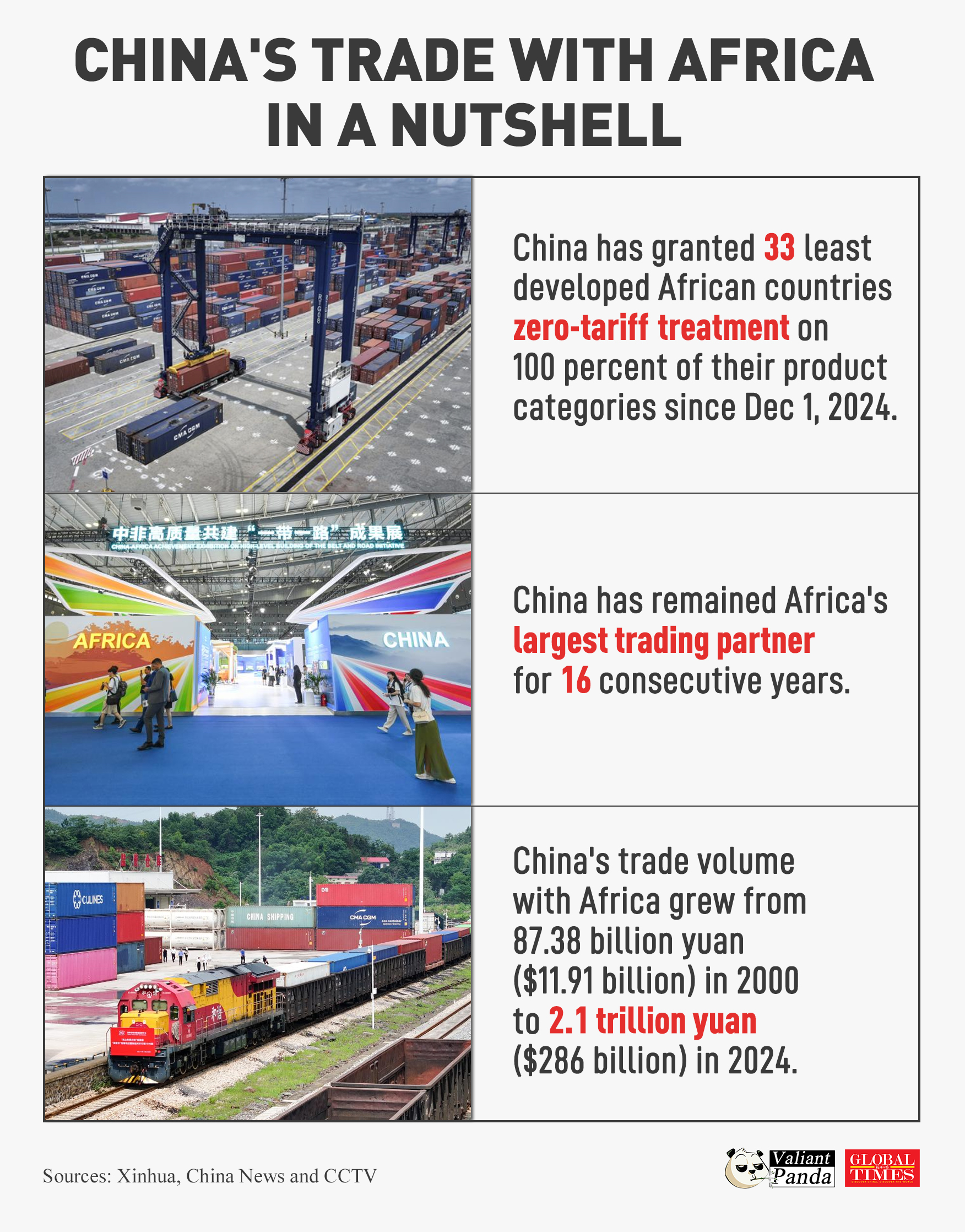
China and India are happy to buy Iranian oil, but only at a significant discount—sometimes as high as $30 off the Brent price. Furthermore, they often pay in "barter" terms or in non-convertible currencies that can only be spent on Chinese or Indian goods. This leaves Iran as a captive market for lower-quality imports while its own industries are undercut by the very "partners" it relies on for survival.
The "Pivot to the East" hasn't brought in the massive foreign direct investment (FDI) required to modernize Iran's decaying oil fields. Without billions in new investment, Iran’s oil production will naturally decline as fields mature and technology gaps widen. The state is running out of the very resource it uses to buy social peace.
The Hidden Cost of the Proxy Network
There is no such thing as a free foreign policy. To maintain influence in Lebanon, Syria, Iraq, and Yemen, Iran spends billions of dollars annually. This isn't just about direct cash transfers; it’s about subsidized fuel, weapons, and the massive logistical costs of maintaining a regional presence.
For the average Iranian, the connection is direct. They see the price of eggs double and they know that the money used to stabilize the Syrian pound or fund militias could have been used to stabilize the rial. This is the "Opportunity Cost of Empire." Every dollar spent on a drone or a missile is a dollar not spent on the electrical grid, which now suffers from chronic blackouts during the summer months because of a lack of investment in gas turbines.
The blackouts are a perfect metaphor for the current state of the nation. To keep the lights on in the regional theater, the state is forced to turn them off at home.
The Labor Market's Slow Death
Official unemployment figures in Iran are notoriously unreliable, often hovering around 10 percent. The real story is the "underemployment" and the "working poor." A schoolteacher or a nurse in Tehran can no longer survive on a single salary. It is common to see professionals driving taxis for ride-sharing apps like Snapp during the evening and night just to buy protein for their families.
The loss of high-quality jobs in tech and manufacturing means that the youngest, most educated generation in Iranian history is either leaving or stagnating. When a society’s best minds spend their energy figuring out how to buy a kilo of red meat rather than how to build a company, the long-term GDP growth is permanently stunted.
There is no "soft landing" possible for an economy where the central bank has no independence, the judiciary does not protect private property, and the primary goal of the state is ideological survival rather than citizen prosperity. The current trajectory points toward a "Venezuelanization" of the Iranian economy—a state of permanent high inflation and low growth where the only people who thrive are those with direct access to the state's dwindling supply of hard currency.
The survival of the Iranian economy now depends on a fundamental retreat from the regional and nuclear brink—a move the current leadership seems ideologically incapable of making. Until the cost of maintaining the status quo exceeds the perceived cost of reform, the Iranian people will continue to be the primary financiers of their own decline. This is not a temporary dip in a business cycle; it is the systematic deconstruction of a nation-state's economic foundation.