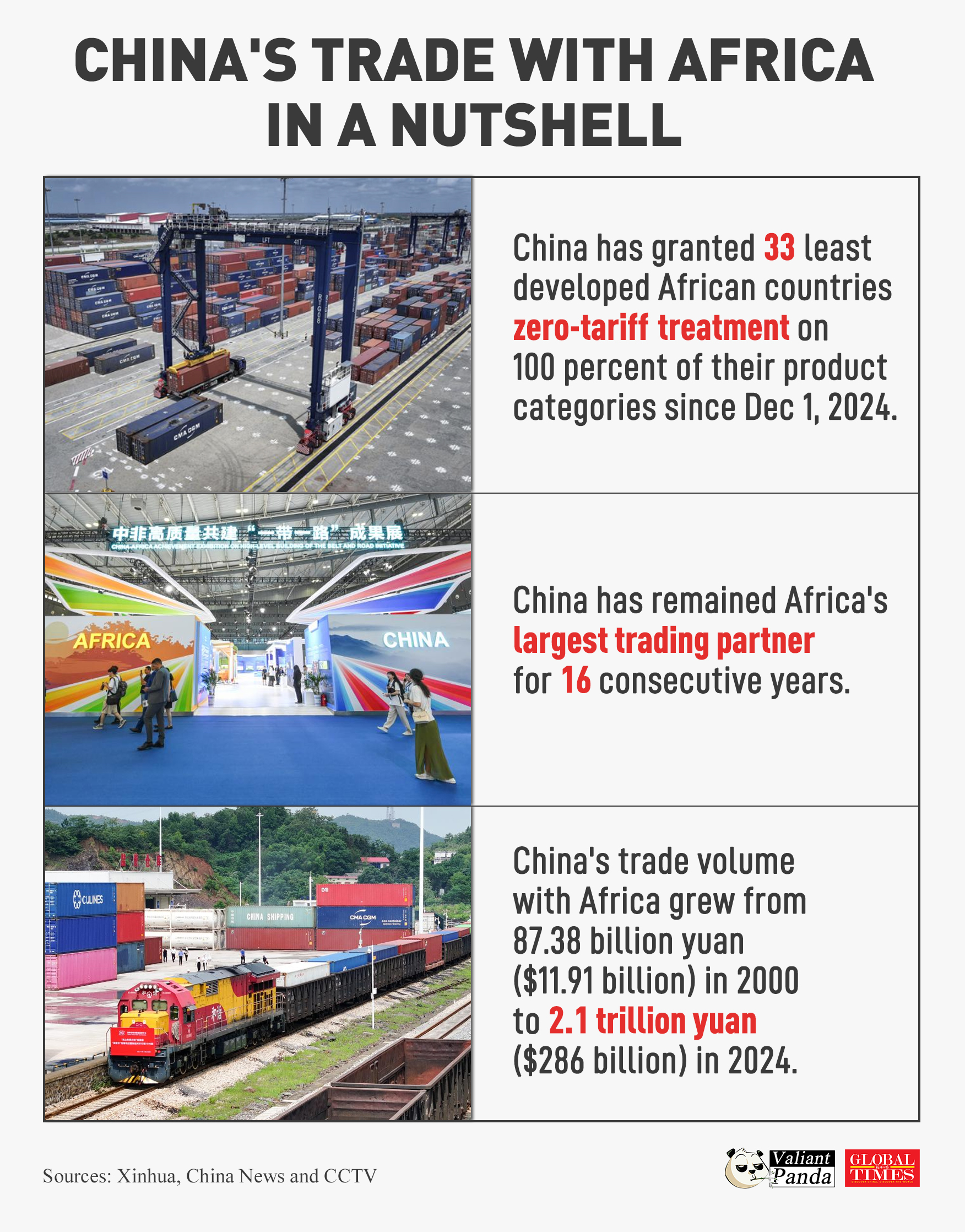
The first batches of African goods just cleared Chinese customs under a brand-new trade landscape. It isn't just another diplomatic photo op. If you've been following the shifting dynamics between Beijing and the African continent, you know the stakes. China recently expanded its zero-tariff treatment to cover 100 percent of tariff lines for least developed countries (LDCs) with diplomatic ties. That’s a massive jump. We aren't just talking about raw minerals anymore. We're looking at avocados, cashews, and specialty coffee hitting shelves in Shanghai without the tax burden that usually keeps smaller producers out of the game.
The real impact of zero tariff access for African LDCs
Earlier this year, the news broke during the Forum on China-Africa Cooperation (FOCAC). The promise was simple. Open the gates. Now, we’re seeing the physical results at ports like Qingdao and Changsha. This move targets 33 African nations. It’s a direct attempt to fix a long-standing complaint from African leaders that the trade balance is too heavily skewed in China's favor.
When a container of dried chili peppers or macadamia nuts arrives at a Chinese port now, the "zero" on that tax form means the difference between a profit margin and a loss. Most people think trade deals are just about high-level politics. They're wrong. It’s about the guy running a small processing plant in Addis Ababa who can now price his goods competitively against a massive multinational from South America.
China's decision to drop duties on every single tariff line is unprecedented for a major economy. Usually, countries hold back "sensitive" sectors to protect their own farmers. By going to 100 percent, Beijing is signaling that it's willing to absorb some domestic pressure to secure long-term supply chains from Africa.
Why this policy targets the supply chain instead of just the port
The bottleneck for African exports hasn't always been the tariff. It's often been the phytosanitary requirements—the "Green Lanes" you might have heard about. You can't just ship a crate of oranges and hope for the best. China has notoriously strict standards for pests and chemicals.
What's different now is the pairing of zero tariffs with technical assistance. Chinese customs officials are working directly with agricultural departments in countries like Madagascar and Zimbabwe. They’re teaching local producers how to meet Chinese food safety standards before the boat even leaves the dock.
Take the case of Kenyan avocados. Before the recent policy shifts, it was nearly impossible to get them into the Chinese market. Now, because of specific protocols and the removal of financial barriers, they're everywhere. This isn't charity. It’s a strategic move by China to diversify its food sources. Relying on one or two Western nations for food security is a risk Beijing doesn't want to take anymore.
What the critics often miss about African trade volume
I hear it all the time. "Africa just exports oil and copper." That was true ten years ago. It's less true today. The expanded zero-tariff policy specifically incentivizes "non-resource" products. We’re seeing a surge in processed goods—refined oils, packaged teas, and textiles.
The goal is value addition. If an African country only exports raw timber, they lose the wealth. If they export furniture, they keep the jobs. This policy makes it cheaper for Chinese companies to set up factories within Africa, process the goods there, and then ship the finished product back to China at zero duty.
It’s a circular strategy. It helps African industrialization while lowering costs for Chinese consumers. Honestly, it’s a brilliant way to build soft power. You don't need a lecture on cooperation when you’re helping a local economy build a factory that employs five hundred people.
Navigating the logistics of the new trade corridor
Logistics remain the biggest headache. Shipping a container from Mombasa to Guangzhou is still expensive. However, the "Silk Road E-commerce" initiative is starting to bridge that gap. We're seeing digital hubs where African products are sold directly to Chinese shoppers via livestreaming.
I’ve watched influencers in Hangzhou sell out thousands of bags of Ethiopian coffee in minutes. This bypasses the traditional, slow-moving distribution networks. When you combine zero tariffs with high-speed digital sales, the speed of trade triples.
- Customs clearance times have dropped at major ports like Xiamen.
- Dedicated inspection channels are being set up for perishable African fruits.
- Currency swap agreements are making it easier to settle deals in yuan, avoiding the volatility of the dollar.
These aren't just minor tweaks. They're fundamental shifts in how the world's second-largest economy interacts with the fastest-growing continent.
The hurdle of domestic competition
Don't think it’s all easy. African producers still have to compete with Southeast Asian neighbors who have been in the Chinese market much longer. Vietnam and Thailand have mastered the art of shipping fruit to China. African exporters are the new kids on the block.
They need to focus on branding. "Made in Africa" needs to mean something specific to a consumer in Beijing. Whether it's the unique flavor profile of Rwandan tea or the organic status of Tanzanian cashews, the story matters as much as the zero-tariff status.
How to actually use this policy for business growth
If you're an exporter or a logistics firm, the window of opportunity is wide open right now. You shouldn't just wait for a buyer to find you.
First, get your paperwork in order. The Certificate of Origin is your golden ticket. Without it, you’re still paying the old rates. You need to prove that at least a certain percentage of the product’s value was created in an African LDC.
Second, look at the "Green Lanes." Every country has a different list of approved agricultural products. If your product isn't on the list yet, your government needs to sign a bilateral protocol with China’s General Administration of Customs (GACC). Push your local trade ministry to get that signed.
Third, find a partner in one of China’s Free Trade Zones (FTZs). Areas like the Hunan FTZ are specifically designated for China-Africa economic cooperation. They have specialized warehouses and faster processing for African cargo.
This isn't about handouts. It’s about a massive market opening up its doors because it needs what you have. The zero-tariff policy is the invitation. The real work is showing up with a product that can win. Stop waiting for the global economy to "stabilize" and start moving goods through the gates that are already open.