The steel hull of an oil tanker is surprisingly thin.
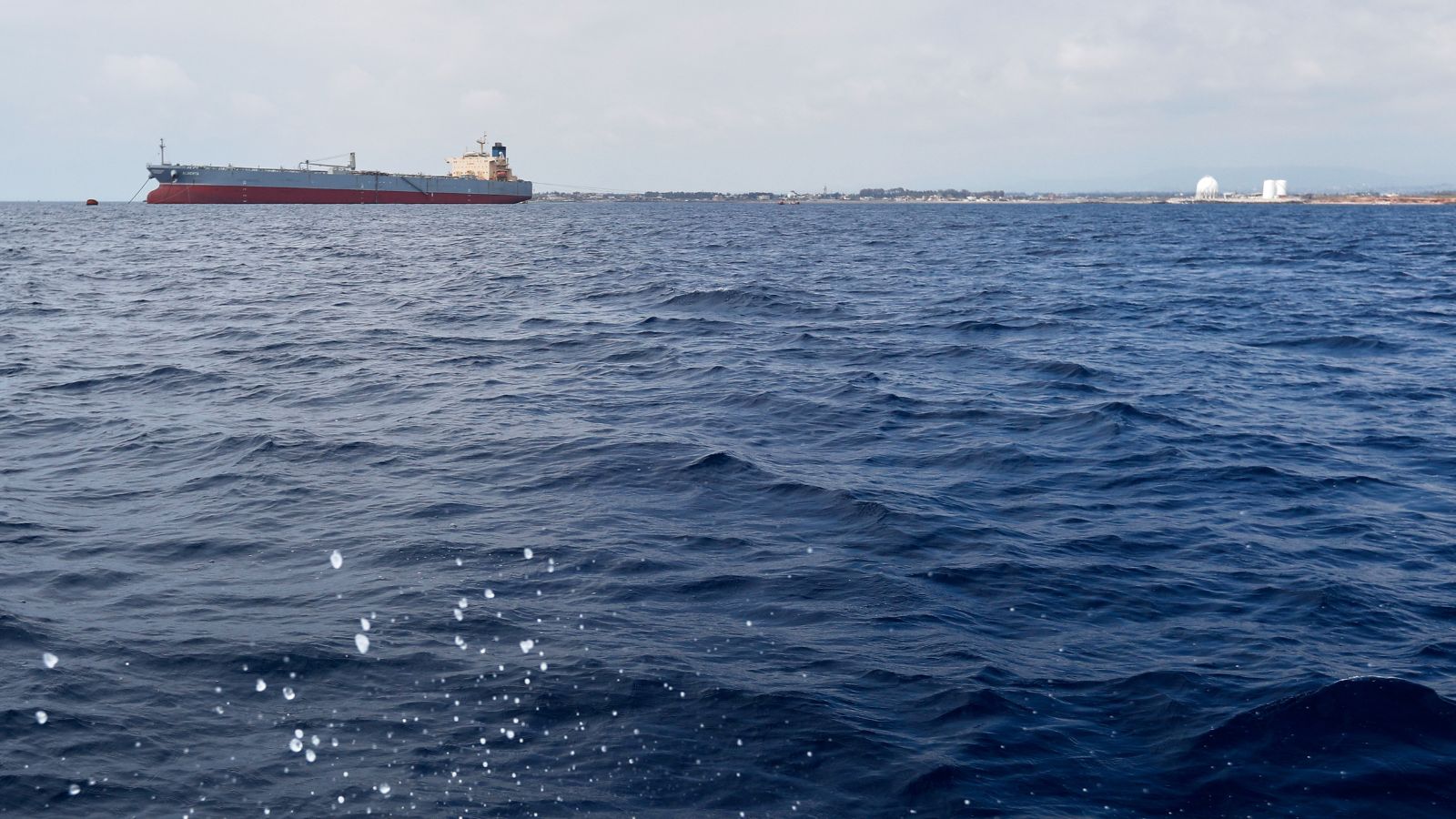
To the naked eye, these vessels are titans, floating fortresses of iron and crude. But out in the deep blue expanse of the Gulf or the Caribbean, they are more like eggshells. Inside is the lifeblood of modern civilization. Outside is the crushing weight of geopolitics. When a government reaches out to seize one of these ships, they don't just grab steel and oil. They grab the lives of twenty-four sailors who were just thinking about their families back in Manila or Mumbai. They grab the stability of a market. They grab the very concept of international law and twist it until it snaps.
For decades, the world has operated under a fragile gentleman's agreement. The sea belongs to everyone. The lanes are open. Then, a single word escapes a podium in Washington, and the veneer of "legal seizure" vanishes, replaced by something much older and far more dangerous.
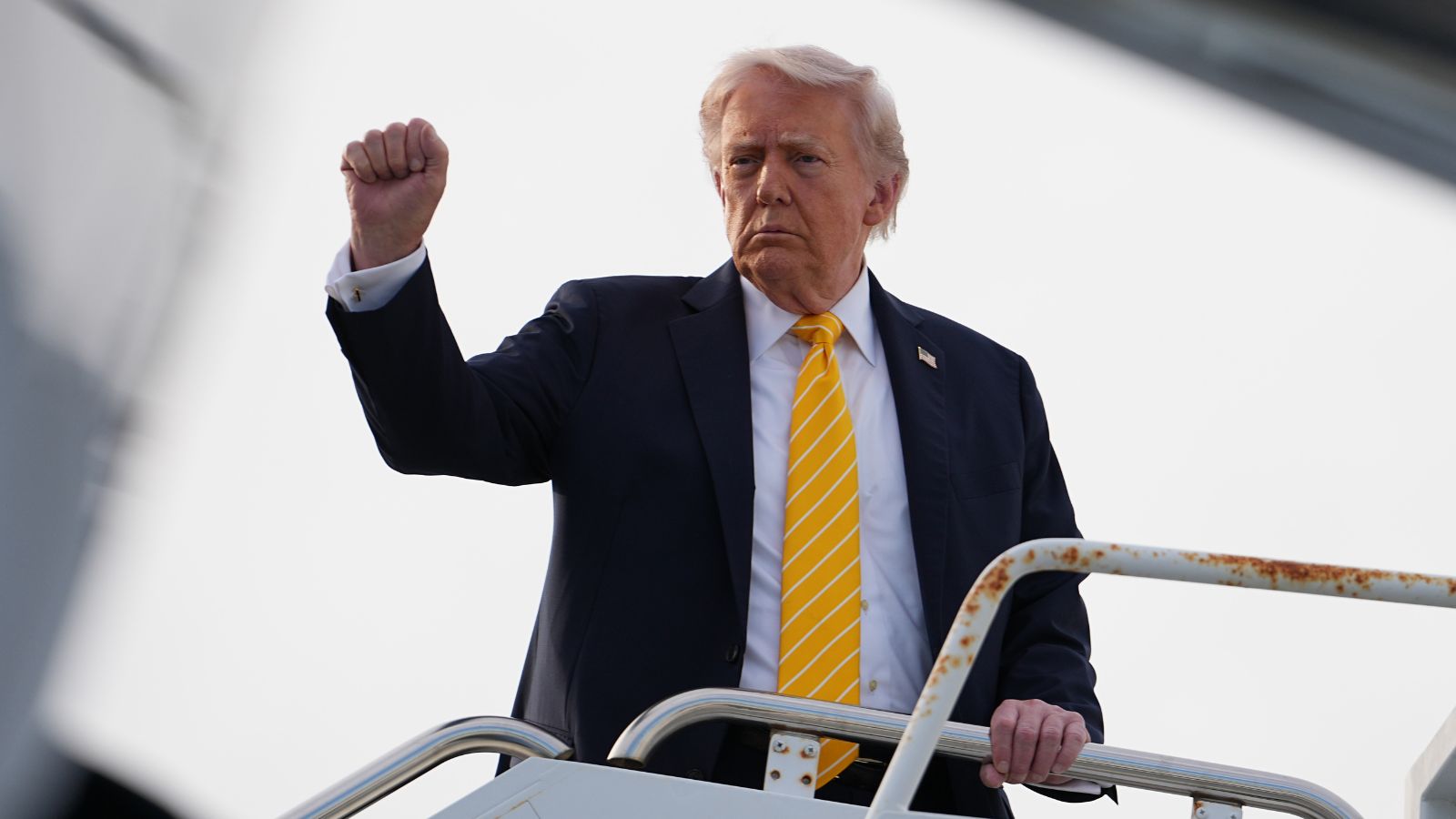
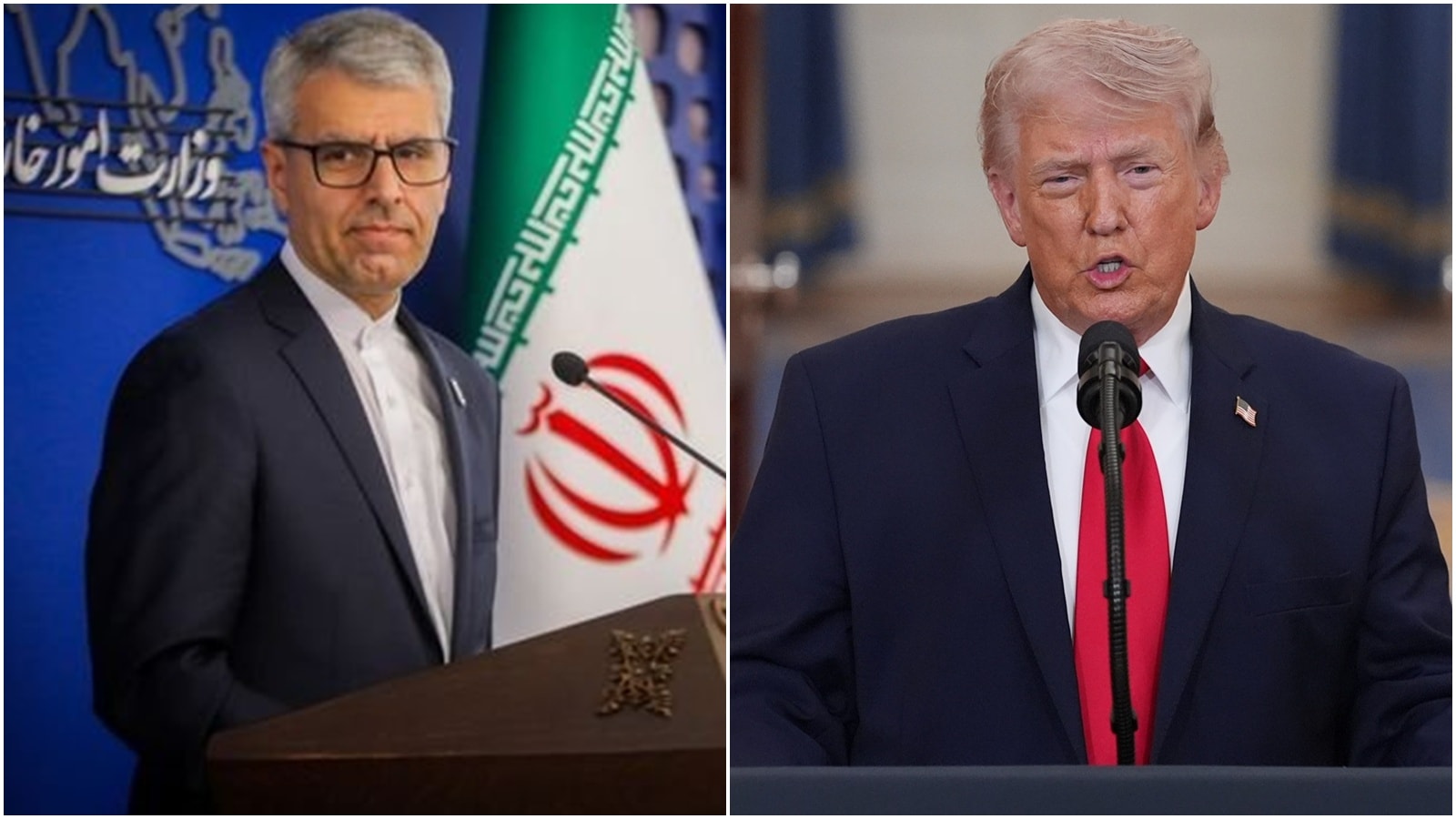
When Donald Trump referred to the seizure of Iranian oil shipments as the work of "pirates," he wasn't just using colorful language. He was, according to Tehran, confessing. In the sterile rooms of the Iranian Foreign Ministry, that word didn't sound like a gaffe. It sounded like a "damning admission." It was the moment the mask of the global policeman slipped to reveal the grin of a privateer.
The Anatomy of a Hijack
Imagine you are a captain. Your world is defined by the steady thrum of the engine and the vast, flat horizon. You are carrying a cargo that your country sold to another country. You are in international waters. Suddenly, a shadow appears. Not a storm, but a warship.
The orders come over the radio. They are polite, but they are backed by the kind of firepower that can turn your world into a fireball in seconds. You are told your cargo is "illegal" because of sanctions—laws written in a building thousands of miles away that your country does not recognize. You are diverted. Your oil is pumped into another ship. Your journey ends in a legal limbo that could last years.
This isn't a hypothetical exercise in maritime law. It is the reality of the "maximum pressure" campaign. Between 2019 and 2024, the cycle became a grim rhythm. The United States would seize a tanker under the guise of anti-terrorism laws or sanctions enforcement. Iran would retaliate by swarming a Western-linked vessel in the Strait of Hormuz with fast-attack boats.
The U.S. justifies these moves as the "rule of law." They claim the oil belongs to the Revolutionary Guard, an entity they have designated as a terrorist organization. Therefore, the oil is contraband. It is "proceeds of crime." But to the rest of the world, and certainly to the people on the receiving end, it looks like a heist.
The Confession in the Quote
The tension between "seizure" and "piracy" is more than just semantics. It is the difference between a sheriff and a bandit.
When the term "pirates" was used by the very administration orchestrating the seizures, it provided the Iranian government with a rhetorical nuclear weapon. Saeed Khatibzadeh, then-spokesman for the Iranian Foreign Ministry, didn't let the moment go to waste. He described it as a "direct, damning admission." His point was simple: if the leader of the nation seizing the ships calls the act piracy, who are we to disagree?
The irony is thick enough to choke a turbine. The United States has long championed the "Freedom of Navigation" operations, sending destroyers through the South China Sea to prove that no one nation can claim the ocean as its own. Yet, in the Caribbean and the Mediterranean, the policy shifted. The ocean became a place where cargo could be "arrested" based on the destination or the owner.
Consider the case of the Grace 1, the tanker seized off Gibraltar. It was a spectacle played out in high definition. British Royal Marines fast-roped onto the deck in the middle of the night. The accusation? The ship was headed to Syria in violation of EU sanctions. Iran’s response was a cold stare and a counter-seizure of the British-flagged Stena Impero.
This is the "eye for an eye" diplomacy of the 21st century. It is a world where the law is whatever you can enforce with a boarding party.
The Human Cost of High-Stakes Poker
We talk about "Iran" and "The United States" as if they are monolithic blocks of stone. They aren't. They are people.
When a ship is seized, the crew becomes pawns. These are men who have nothing to do with the nuclear deal or the price of Brent Crude. They are trapped in steel boxes, sometimes for months, while lawyers in D.C. and London argue over the fine print of a maritime contract. They watch the sunset over the same patch of water every day, wondering if they will be the ones to pay the price for a politician’s "pirate" remark.
There is a psychological toll to this uncertainty. The sailors on these tankers know they are targets. They know that at any moment, the "gentleman's agreement" of the sea could evaporate.
And then there is the cost to the average citizen. Every time a ship is diverted or a seizure is announced, the "risk premium" on oil ticks upward. Insurance companies raise their rates. Shipping companies change their routes, burning more fuel and taking more time. By the time you pull up to a gas station in a suburb half a world away, you are paying a "piracy tax" born of this friction.
The Collapse of the Global Commons
The real danger isn't just a few lost shipments of oil. It is the erosion of the "Global Commons."
For centuries, the sea was the Wild West. Then, we decided it shouldn't be. We created the United Nations Convention on the Law of the Sea (UNCLOS). We agreed that even enemies should be able to trade, provided they follow the rules. But when the world’s superpower begins to treat the ocean as a tool for unilateral pressure—and admits to the "piratical" nature of the act—the rules start to look like suggestions.
If the U.S. can seize Iranian oil, why can’t China seize Taiwanese chips? Why can’t Russia seize grain in the Black Sea and call it "sanctions enforcement"?
The "pirate" remark wasn't just a slip of the tongue. It was a flare sent up in the middle of a dark night, illuminating the fact that we are returning to an era of "Might Makes Right." Iran’s outrage wasn't just about the money lost from the oil. It was the realization that the old world order—the one that protected the weak from the strong through a shared set of rules—is dying.
The Ghost of the Privateer
Centuries ago, kings and queens would issue "Letters of Marque." These were official documents that turned pirates into "privateers." It gave them the legal right to rob the ships of enemy nations. It was state-sponsored theft, dressed up in the finery of national interest.
When we look at the modern seizure of oil shipments, it’s hard not to see the ghost of the privateer. The ships have changed. The weapons are more precise. But the intent remains the same: to choke an opponent by intercepting their lifeline on the water.
The problem with being a pirate, even a state-sponsored one, is that eventually, everyone else decides to play by the same rules. If the ocean is a battlefield where any cargo is fair game, then no one is safe. Not the tankers, not the sailors, and certainly not the global economy.
The admission was damning because it was honest. It stripped away the jargon of the Treasury Department and revealed the raw exercise of power. It told the world that the "Rules-Based Order" is only as strong as the person willing to follow the rules when it’s inconvenient.
As the sun sets over the Persian Gulf, the tankers continue to move. They move a little faster now. They keep their lights low. Their captains watch the radar with a new kind of anxiety. They know that out there, in the dark, the line between a legal seizure and an act of piracy has become a blur. They are no longer just sailors; they are the involuntary extras in a story of empires clashing over the waves.
The tragedy isn't that the word was said. The tragedy is that the word fits.