The United Nations loves a good panic. Whenever a technological shift threatens to render bureaucratic hand-wringing obsolete, international bodies summon the press corps to warn us that humanity is standing at the precipice of doom. The latest panic focuses on autonomous weapons and the chilling prospect of algorithms deciding who lives and dies on the battlefield.
The lazy consensus says we must ban lethal autonomous weapons systems before they wipe us out. This argument sounds noble at cocktail parties. It makes for great headlines. It is also completely detached from the brutal reality of modern combat physics.
I have spent the last decade working alongside defense engineers and tracking tactical systems development. I have seen multi-million-dollar defense contracts torpedoed because committees insisted on keeping a human in the loop where a human simply cannot survive.
The panic over algorithmic warfare misses the forest for the trees. The real danger is not that machines will make lethal choices too fast. The danger is that we will force them to move at human speeds, turning advanced defense networks into sluggish, reactive liabilities.
The Myth of the Compassionate Human Operator
Critics of autonomous combat systems operate under a comforting delusion. They imagine a serene human commander sitting in a bunker, weighing the moral gravity of a strike with the wisdom of Solomon.
That picture is a fantasy.
Real combat is chaotic, deafening, and hyper-saturated with data. Human operators under fire suffer from extreme cognitive tunnel vision, adrenaline spikes, and confirmation bias. They commit war crimes not out of malice, but out of sheer exhaustion and terror.
Consider a scenario where an incoming swarm of hypersonic missiles leaves a defensive battery four seconds to calculate a counter-maneuver. A human operator facing that window does not make a moral choice. They freeze, panic, or rely on outdated muscle memory.
Algorithms do not panic. They do not get tired at hour thirty-six of a siege. They do not seek revenge for a fallen squadmate. When properly calibrated, a machine processes telemetry, thermal signatures, and vector data with cold indifference to emotion.
We cling to the human element because it makes us feel better about slaughter. We prefer the messiness of human error because we can blame it on a bad day rather than bad code. That luxury costs lives.
Speed Kills and Hesitation is Fatal
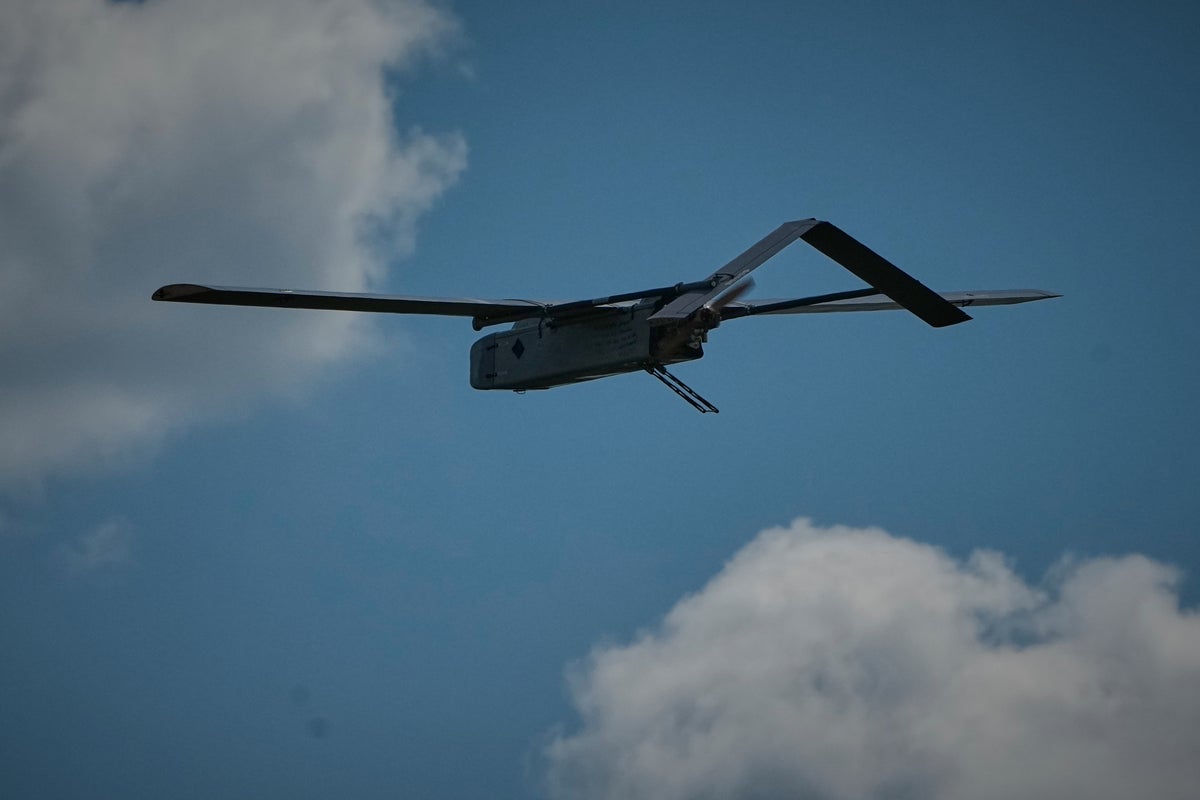
Modern peer conflict does not wait for committee approval. When electronic warfare units jam communication channels, a remote-piloted drone becomes a blind brick tumbling out of the sky.
If a system cannot execute a pre-programmed defensive or offensive action independently during a communications blackout, it becomes useless scrap metal. This is the operational reality that international regulators ignore.
The battlefield has evolved past human reaction times. Hypersonic glide vehicles cross theaters in minutes. Cyberattacks disable power grids before local commands even register an anomaly.
By demanding mandatory human intervention for every lethal trigger pull, we are essentially handicapping our own infrastructure while adversaries bypass the delay entirely. Adversarial states will not pause their software development because a Geneva Convention working group drafted a sternly worded resolution.
When you mandate human-in-the-loop constraints for autonomous defense systems, you are not protecting humanity. You are designing a system optimized to lose.
Accountability in the Age of Silicon
The most frequent pushback against autonomous targeting systems concerns accountability. If a machine makes a catastrophic error, who goes to jail? Who answers to the families?
This question assumes human-led warfare has a clean track record of accountability. History proves otherwise. Military tribunals are rare, cover-ups are common, and the fog of war swallows mistakes on a daily basis.
Shifting to algorithmic decision-making actually improves accountability if we build the architecture correctly. Every line of code leaves a trail. Every sensor log records the exact millisecond a decision matrix evaluated a threat profile.
Instead of hiding behind the opaque fog of human discretion, autonomous systems generate immutable audit logs. We can trace an erroneous strike back to the exact weight assigned to a neural network parameter. We can update the model, patch the vulnerability, and ensure the error never repeats.
You cannot patch human malice, stupidity, or fatigue. You can patch software.
Stop Trying to Regulate the Inevitable
International treaties banning autonomous weapons are feel-good theater. They resemble past attempts to ban crossbows or submarines—efforts that collapsed the moment a nation faced an existential threat.
The technology required for target identification and tactical execution is already commoditized. Computer vision models run on commercial hardware that any university lab or rogue state can acquire off the shelf. You cannot uninvent the math.
Instead of wasting political capital trying to stuff this genie back into a heavily regulated bottle, we should focus our energy on rigorous validation, safety architecture, and red-teaming.
We need to treat algorithmic combat systems not as rogue terminators, but as high-liability infrastructure that requires rigorous stress-testing, adversarial simulation, and fail-safes.
The question is not whether machines will make lethal decisions. They already do, embedded in anti-missile batteries and automated defense grids worldwide.
The real question is whether we will build those systems with the discipline and rigor they demand, or if we will keep pretending that wishing for a simpler past will keep us safe in the future.