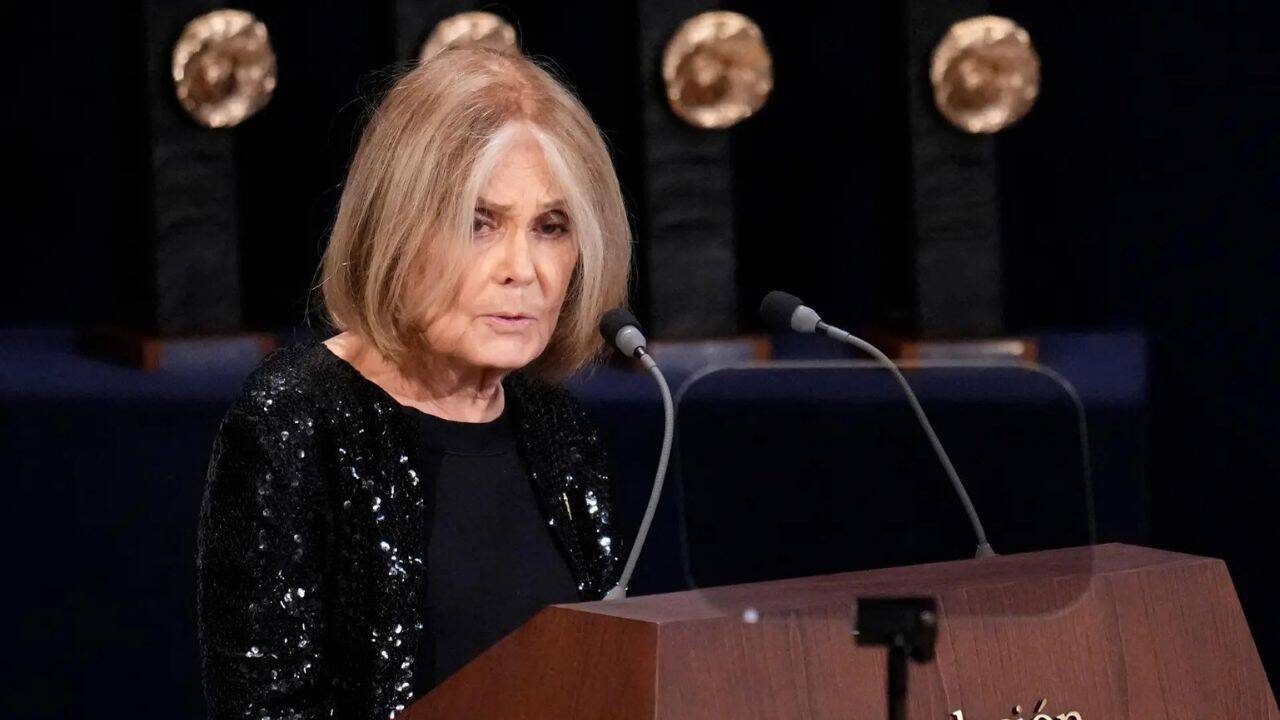
Gloria Steinem didn't just write about the women's movement; she lived on the front lines of it for over half a century. When she passed away at age 92 in New York City, the world lost its most recognizable feminist icon. Her trademark aviator glasses and blonde-streaked hair became visual shorthand for a revolution. Yet reducing her legacy to an aesthetic misses the relentless journalistic grit that built it.
Long before she co-founded Ms. magazine, Steinem was a shoe-leather reporter willing to go to uncomfortable lengths for a story. In 1963, she took a job as a waitress at Hugh Hefner's Playboy Club to see the reality behind the glamour. Her resulting exposé, "A Bunny's Tale," ripped the lid off the low pay and systemic degradation hidden behind satin ears and cotton tails. It proved that journalism could expose power imbalances instead of just mirroring them.
The Birth of Ms Magazine and Mainstream Feminism
In 1971, Steinem teamed up with trailblazing leaders like Bella Abzug, Shirley Chisholm, and Betty Friedan to launch the National Women's Political Caucus. Shortly after, she helped create Ms. magazine, which hit newsstands as the first mainstream periodical to view politics, culture, and society through an uncompromised feminist lens.
Most traditional women's magazines at the time focused strictly on recipes, fashion, and pleasing a husband. Ms. dared to put domestic violence, reproductive freedom, and unequal pay on the front cover. Predictably, critics mocked it. Advertisers hesitated. Steinem and her team pushed forward anyway, turning an intellectual movement into a kitchen-table conversation across America.
Looking Past the Icons
History loves a single hero, but Steinem repeatedly rejected the idea that she drove the movement alone. She frequently credited Black women and grassroots organizers for inventing the core tenets of modern feminism long before the media stamped a face on it. Her activism wasn't confined to boardrooms or academic lecture halls. She traveled constantly, listening to ordinary women share their stories, firmly believing that social change starts with simple human empathy.
Her personal life also challenged convention. She stayed single for decades, famously noting that she didn't want to play the role of caretaker after spending her youth looking after her mentally ill mother. When she finally married entrepreneur David Bale in 2000 at age 66, she did so in a Cherokee ceremony in Oklahoma, keeping her independence intact until Bale passed away from cancer a few years later.
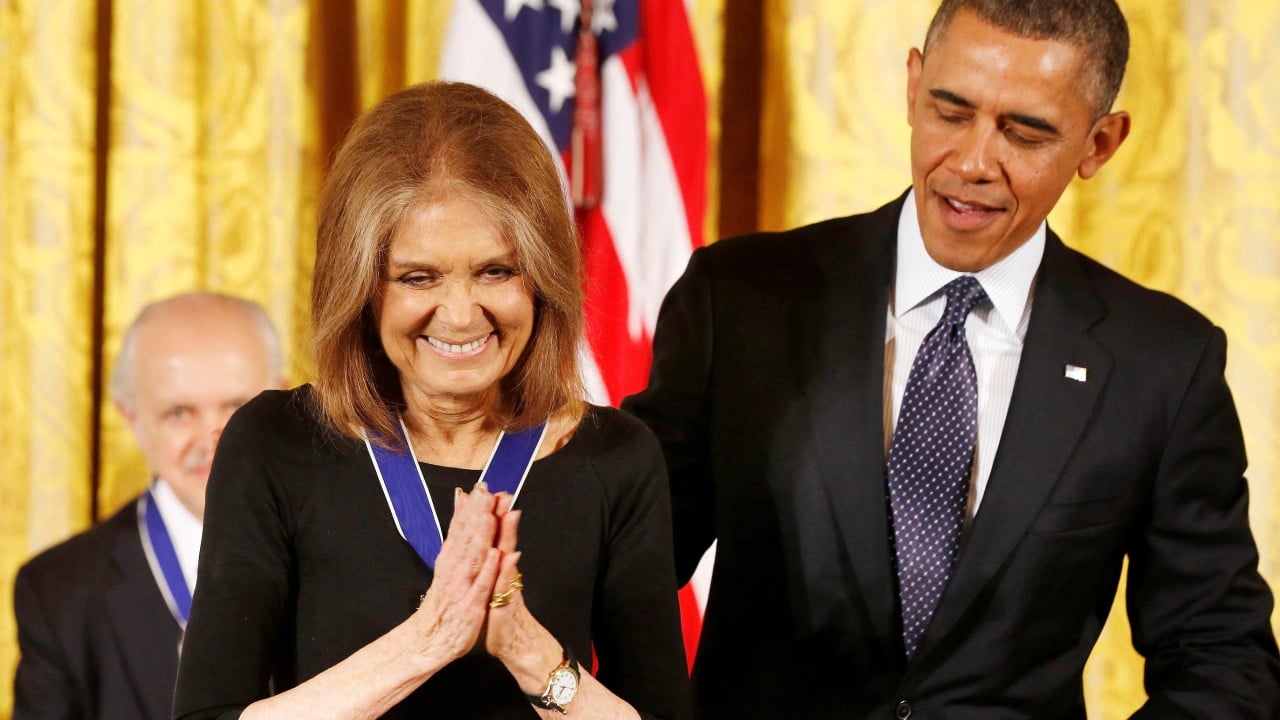
President Barack Obama awarded her the Presidential Medal of Freedom in 2013. It was a fitting capstone for someone who spent her life fighting rigid social hierarchies.
Take a cue from her playbook. Listen to the stories people around you are trying to tell, question the systems that claim to be "just the way things are," and refuse to let anyone else dictate the boundaries of your life.