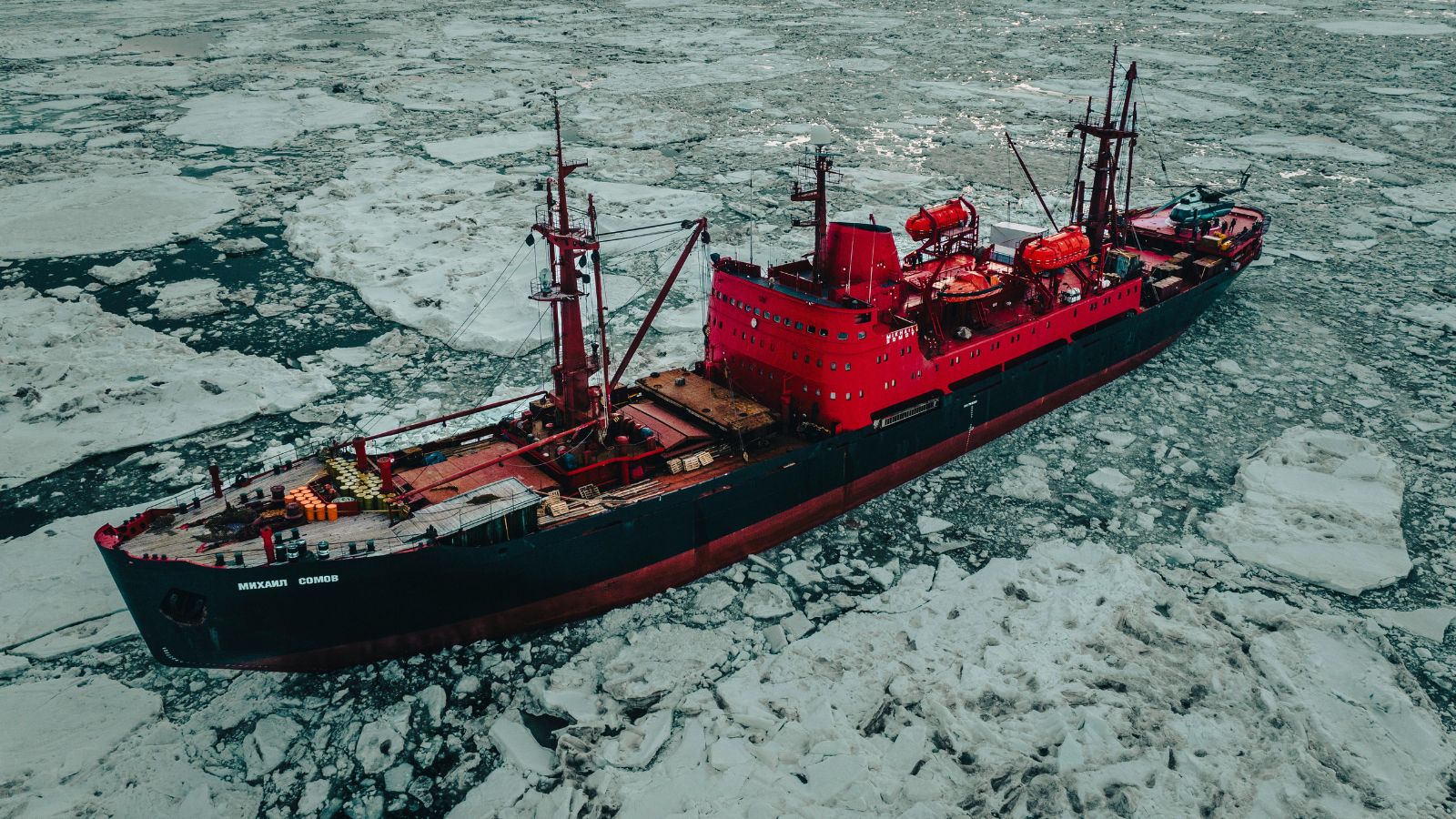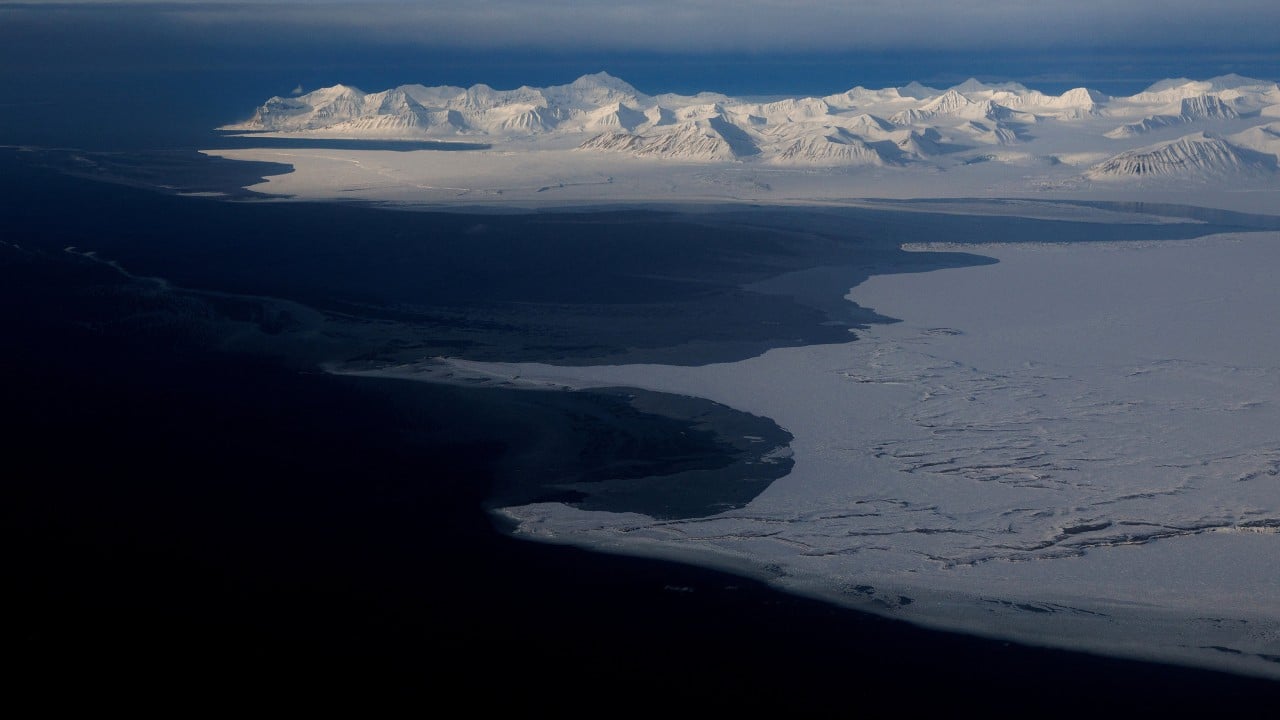
The judicial detention of the Russian research vessel Professor Molchanov in Barentsburg by Norwegian authorities marks a structural escalation in cross-border asset recovery. Acting on a petition from Ukraine's state-owned energy company Naftogaz, the Nord-Troms and Senja District Court executed an enforcement order tied to a $4.22 billion Hague arbitration award. This action exposes the mechanics of how international arbitral victories translate into physical interventions against sovereign property. Standard reporting frames this event as a tit-for-tat geopolitical maneuver. A structural analysis reveals a calculated legal campaign designed to pierce sovereign immunity doctrines and convert abstract international judgments into tangible liquidity.
Understanding the mechanics of this seizure requires deconstructing the underlying debt instrument. In April 2023, an international arbitration tribunal in The Hague ruled that Russia must pay Naftogaz $4.22 billion in compensation for the systematic expropriation of corporate assets following the 2014 annexation of Crimea. Sovereign debtors routinely ignore such awards, banking on the traditional legal shield of sovereign immunity. This immunity protects state-owned property from foreign execution. Naftogaz bypassed this protection by targeting commercial assets operating within foreign jurisdictions that recognize the enforceability of the Hague award. The Professor Molchanov, owned by the Russian state and commercially deployed for Arctic expeditions, lacked diplomatic immunity due to its commercial payload and operational profile.
The execution phase relies on a coordinated multi-jurisdictional litigation strategy.
- Jurisdictional Recognition: The award must first be domesticated within the target country's legal system. Naftogaz secured recognition of the $4.22 billion debt within Norwegian civil courts, establishing the legal predicate for asset attachment.
- Asset Identification: Creditors maintain intelligence networks tracking the physical location of state-owned commercial vessels, aircraft, and liquid holdings. Research and expedition vessels operating in predictable northern latitudes present vulnerable targets.
- Enforcement Mandate: Local enforcement authorities—in this case, the Governor of Svalbard acting alongside the district court—execute the physical detention without triggering direct military escalation.
This creates a systemic bottleneck for the Russian state. Moscow cannot retaliate militarily against a NATO member state over a civil maritime seizure without invoking collective defense doctrines, yet its commercial footprint abroad remains exposed to piecemeal liquidation. Characterizing the seizure as maritime piracy, as the Russian Foreign Ministry did, ignores the established framework of the 1958 New York Convention on the Recognition and Enforcement of Foreign Arbitral Awards. The convention permits the seizure of commercial property belonging to foreign states when those assets sit outside sovereign territory and serve commercial rather than sovereign functions.
The cost function for both parties dictates the trajectory of future enforcement actions. For Naftogaz, the litigation cost is high, but the potential recovery pool scales into the billions, making piecemeal seizures an economically rational capital allocation strategy. For Russia, each seized asset represents a fractional loss of operational mobility and capital, forcing state-owned enterprises to alter shipping routes, withdraw commercial vessels from cooperative Western ports, and absorb higher insurance premiums.
Asset recovery operations will systematically expand from isolated maritime intercepts to complex financial tracing involving secondary and tertiary corporate veils. Creditors will increasingly target state-backed trade receivables, bank accounts, and logistical infrastructure residing within compliant jurisdictions.
Initiate immediate cross-border asset mapping across all neutral and allied maritime jurisdictions, prioritizing commercial entities with direct ownership links to state-owned extractive enterprises to maximize attachment leverage.