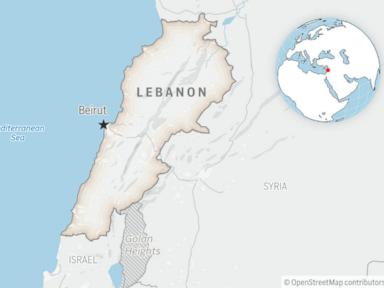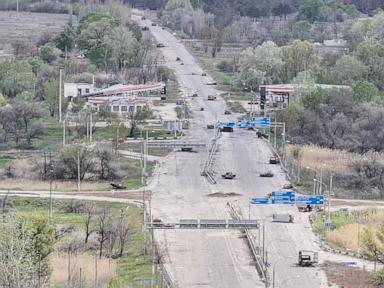
When a frontline settlement loses regular resupply before winter, caloric deficit is rarely caused by a single agricultural failure; it is engineered by a compound breakdown of transit security, municipal utilities, and governance incentives. In Oleshky—a Russian-occupied city along the Dnipro River in southern Ukraine—fewer than 2,000 residents remain amid ruined infrastructure, mined roads, drone threats, and severe scarcity of food, water, heat, and medical care. Reporting on this crisis captures the human toll vividly, yet standard dispatches often treat hunger, cold, medical collapse, and trapped civilians as parallel tragedies rather than parts of a single coupled system.
Understanding why a frontline city slides into winter deprivation requires replacing descriptive snapshots with an operational model. Below is a structural analysis of how siege conditions convert a supply bottleneck into a survival crisis, what is established fact versus analytical inference, and how humanitarian and evacuation operations can be sequenced when diplomatic corridors stall.
Deconstructing the Standard Narrative
Conventional news reporting on frontline sieges usually follows a high-impact structure: an opening scene of deprivation, a catalog of missing essentials (food, electricity, heating, water, medicine), firsthand accounts of dangerous travel or price spikes, and quotes from officials calling for aid or evacuation. That structure excels at conveying urgency and human cost.
Its analytical blind spot lies in symptom aggregation without causal ordering. Listing missing utilities and empty shelves side by side makes each failure look equally weighable, obscuring which failure acts as the primary constraint. In an active combat zone with drone surveillance and landmines, food availability is governed first by physical corridor survivability and household purchasing power, not merely by how much grain exists in a distant warehouse.
A second limitation in standard coverage is treating civilian immobility as a static trait rather than a decision variable. Residents do not simply "stay" or "leave" in a vacuum. Movement across mined or drone-monitored roads carries immediate kinetic risk, while remaining carries compounding exposure to hypothermia, dehydration, untreated illness, and starvation. Moreover, households with immobile elderly relatives or children face asymmetric choices that split families and pull evacuees back into danger.
Known Facts Versus Educated Hypotheses
Rigorous analysis separates verified reporting from structured inference so policy and relief choices rest on solid ground.
Established Facts
- Severe frontline deprivation in Oleshky: Reporting from October and November 2026 documents acute shortages of food and medical supplies in Oleshky, along with no electricity, central heating, or running water, and a remaining population estimated at fewer than 2,000 people, including at least 35 children.
- Corridor disruption and kinetic risk: The UN human rights office reported that the last regular road food delivery to Oleshky occurred on May 26, 2026, while roads and paths around the area have been mined and targeted by drones and fire, killing civilians and aid carriers and prompting evacuees to describe the route toward Radensk as perilous.
- Minimal local relief and extreme prices: Russian-installed officials reported delivering just two tons of aid in October while acknowledging its inadequacy, and evacuees reported severe price inflation—such as a kilogram of flour reaching as much as $12—alongside reliance on wells, firewood, garden plots, and scavenging.
- Sanitary and medical breakdown: Local accounts and officials report overflowing morgue capacity, bodies in hospital basements amid power loss, scarce medicines, and ambulance movement constrained by drone threats.
- Broader frontline and supply-chain strain: Assessments such as FEWS NET indicate persistent Crisis (IPC Phase 3) food security outcomes in the most conflict-affected frontline areas through January, driven by constrained market access, movement limits, rising winter utility costs, and strikes on logistics and storage infrastructure.
Educated Hypotheses
- Caloric-thermal coupling: Without central heating or reliable electricity, remaining residents likely face elevated basal energy requirements to maintain body temperature in unheated or shell-damaged structures, accelerating depletion of already scarce food reserves and stored body mass.
- Administrative triage by distance to the line: When occupation forces pull back from immediate riverfront or frontline positions toward deeper rear settlements, municipal service provision likely degrades non-linearly—proving that administrative neglect is driven less by ideology alone than by force-protection risk gradients.
- Informal market rationing: Extreme staple prices (such as multi-dollar flour) likely reflect a thin, high-risk black market where smuggling risk premiums and tiny batch sizes price out fixed-income or elderly residents first, forcing them onto low-calorie garden plots or foraging.
The Four Drivers of Frontline Winter Hunger
Rather than viewing winter hunger as a single shortage, model it through four interacting operational drivers.
1. Corridor Attrition and Transport Risk
Every supply chain has a last-mile cost curve that spikes near an active front. When roads are mined, drones monitor approaches, and vehicles face direct fire, conventional freight models break down. High-volume trucks cannot operate safely on a regular schedule, so deliveries shrink to sporadic, low-tonnage runs or high-risk private car trips. Once regular replenishment stops, local buffer stocks clear quickly, and any remaining goods carry a steep hazard premium.
2. Utility Collapse and Metabolic Tax
Winter turns infrastructure failure into a nutritional multiplier. Loss of electricity and district heating forces households to rely on firewood, makeshift stoves, and layered clothing inside damaged buildings. Cutting and hauling wood or drawing water from wells demands physical exertion, while cold exposure increases energy expenditure. A food ration that might sustain a sedentary person in mild weather becomes inadequate when the body burns extra calories just to stay warm and fetch water. Meanwhile, lack of refrigeration worsens spoilage and public-health hazards.
3. Healthcare and Sanitation Feedback Loops
Food insecurity rarely acts alone in a siege; it compounds infectious and chronic illness. When clinics lack medicines, ambulances cannot move safely under drone threat, and morgues or basements become overwhelmed due to power loss, waterborne illness, respiratory infections, and untreated chronic conditions rise. Illness reduces appetite and nutrient absorption while increasing care burdens on already exhausted family members.
4. Governance Vacuum and Asymmetric Mobility
In contested frontline towns, civilian governance often hollows out before the fighting stops. Local officials may operate in exile, occupation authorities may prioritize military security or rear-area stability over frontline municipal services, and formal truce negotiations over corridors can stall. That leaves a mobility trap: staying exposes residents to starvation, cold, and shelling, while leaving exposes them to mines, drones, and checkpoints—and for households caring for immobile elders or children, splitting up or moving them safely can feel nearly impossible.
Why Standard Relief Models Stall in Active Frontlines
Traditional humanitarian playbooks assume a permissive or semi-permissive logistics environment: negotiated corridors, predictable convoy schedules, intact warehouse hubs, and clear separation between combatants and civilians. In a hyper-monitored drone and mine environment right along a riverfront line, those assumptions fail.
A large, slow relief convoy is an obvious target if corridor guarantees are absent or fragile. Even when local ceasefires or humanitarian appeals are discussed, tactical verification on the ground is difficult, and a single strike or mine incident resets trust and halts movement. Furthermore, dumping small, one-off shipments of food into a town without safe evacuation or sustained resupply can create a false ceiling: it may briefly ease acute hunger while leaving people trapped in unheated ruins heading into deeper winter cold.
In economic terms, this is a classic high-fixed-risk, low-throughput trap. Because the marginal risk of moving a vehicle into the zone is high regardless of cargo size, small ad-hoc drops cannot scale into reliable survival rations, and larger convoys face unacceptable destruction risk without enforceable deconfliction.
Tactical Logic for Evacuation and Survival Support
When a frontline city is cut off before winter, operations must be sequenced around risk reduction and safe exit, not business-as-usual retail restocking. Below is the operational sequence practitioners use to evaluate and execute responses under severe access constraints.
- Map corridor hazards and time windows before moving assets. Combine satellite imagery, mine-clearance intelligence, drone-activity patterns, and recent evacuee reports to identify which routes and hours carry lower kinetic risk, and which roads (such as heavily mined or frequently struck stretches) must be avoided.
- Prioritize life-saving evacuation over indefinite in-place stockpiling. Where winter heating, water, and medical care have collapsed, getting civilians—especially children, the sick, and the elderly—out to safer rear areas or government-controlled territory is the primary survival lever. Treat any food or energy supplies sent into the city as a bridge to exit (giving weak or cold residents enough strength and warmth to travel) rather than a permanent winter sustainment plan.
- Design tailored transport for vulnerable and split households. Standard group buses or fast light vehicles do not fit every evacuee. Operations need dedicated protocols for immobile elderly residents, families with young children, and people reluctant to abandon relatives or homes, paired with clear reception points offering hot meals, medical screening, and shelter immediately upon arrival.
- Stage surge support just outside the hazard zone. Keep emergency food, thermal gear, clean water, and medical teams pre-positioned in safer staging towns along evacuation routes so assistance reaches people the moment they clear the high-risk perimeter, rather than waiting inside the strike zone.
- Enforce strict deconfliction and verify compliance continuously. Any temporary pause or corridor arrangement requires clear geographic coordinates, explicit rules on drones and artillery, and real-time reporting mechanisms, backed by contingency plans if hostilities resume mid-movement.
Operational Limitations and Trade-Offs
Every option in an active siege carries sharp constraints that planners must state openly:
- Negotiation friction: Securing durable local truces or safe passages requires agreement across opposing military chains of command, and talks frequently stall or collapse under mutual distrust.
- Residual kinetic hazard: Even where corridors are announced or informally used, unexploded ordnance, newly laid mines, and rogue or uncoordinated drone strikes remain severe hazards.
- Voluntary choice vs. coercion: Evacuations must remain voluntary and safe under international humanitarian norms, yet some residents still refuse to leave due to attachment to property, fear of unfamiliar destinations, or care responsibilities.
- Scale limits: High-risk extraction and emergency support can save hundreds of lives and reduce immediate suffering, but they cannot restore a destroyed urban economy or replace full-scale municipal infrastructure during active combat.
Strategic Play for Winter Crisis Response
Do not treat frontline winter aid as a logistics contest to keep an unlivable siege town supplied indefinitely; treat it as a time-bound extraction and reception operation anchored outside the immediate kill zone. Direct diplomatic leverage and humanitarian logistics toward locking in verifiable, daylight-bounded evacuation windows, pre-positioning high-calorie rations, thermal blankets, and medical triage right at the exit perimeter, and pairing every successful movement with immediate hot-meal and shelter capacity for arriving families. In winter siege warfare, moving people out of the cold and out of range before temperatures drop further saves more lives than any trickle of supplies delivered into a ruined grid.