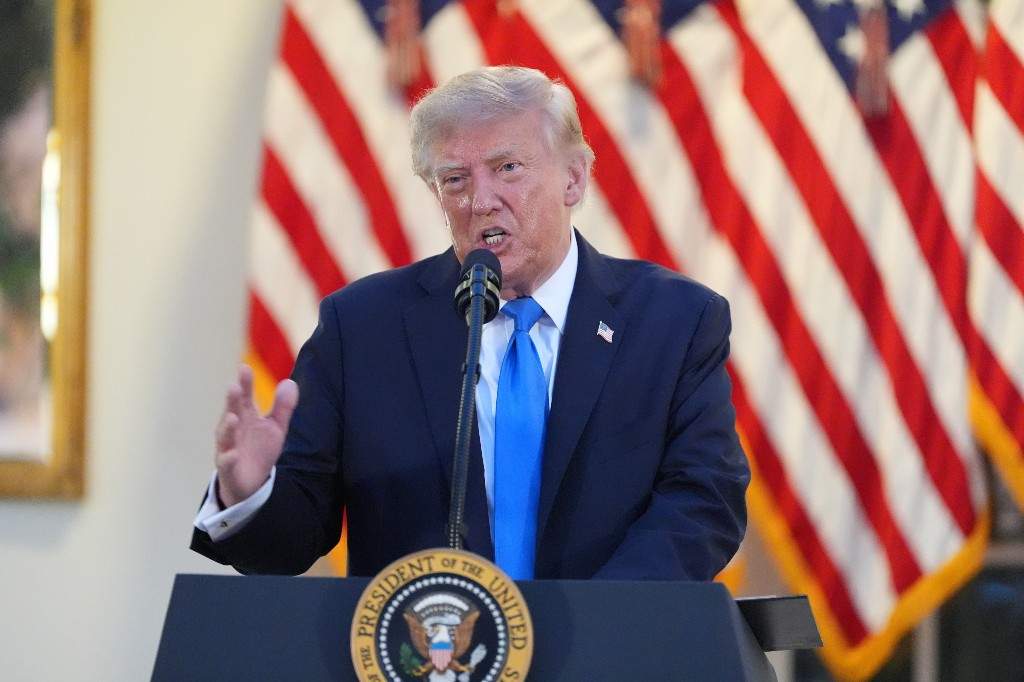
Sovereignty isn't something you joke about on social media, yet that's exactly what happened when a digital graphic popped up on feeds everywhere. U.S. President Donald Trump shared an image on Truth Social showing North America, Greenland, and Iceland completely drenched in the Stars and Stripes, labeled under a single sprawling banner of the United States. While online commentators shrugged it off as typical internet bluster, Reykjavík didn't laugh. Iceland's foreign ministry officially summoned U.S. Ambassador Billy Long to express deep outrage, setting off a swift diplomatic confrontation over what officials called an entirely unacceptable stunt.
Prime Minister Kristrún Frostadóttir didn't mince words when addressing reporters, calling the map a direct insult to the citizens of Iceland, Canada, and Greenland. You can dismiss these graphics as late-night digital noise, but foreign policy teams are forced to look at the underlying intent. When an administration repeats territorial claims—ranging from buying Greenland to floating notions of Canada becoming a state—neighbors take notice. Foreign Minister Þorgerður Katrín Gunnarsdóttir captured the mood succinctly by pointing out that while Washington insiders often advise people not to take the president literally, foreign allies must take him seriously.
This friction arrives at a uniquely tense moment for the Arctic. Just hours before the map went live, European Commission President Ursula von der Leyen touched down in Greenland to announce a massive €200 million investment package targeting climate resilience, education, and infrastructure. The timing wasn't lost on regional analysts. Washington has kept its strategic sights locked on Arctic resources and shipping lanes for years, treating the polar north as an unmanaged backyard ripe for hemispheric defense. For an island nation like Iceland—which relies entirely on its independent status as a founding NATO member since dropping its military forces decades ago—such rhetoric hits uncomfortably close to home.
Ambassador Billy Long found himself in the hot seat almost immediately after taking up his diplomatic post. It's a rough start for an envoy who already raised eyebrows earlier this year by casually joking about Iceland turning into the fifty-second state. Public pushback back then was fierce, featuring local petitions demanding a rejection of his credentials. Now, dealing with an administrative map that erases borders overnight makes diplomatic repair work nearly impossible.
We are watching a broader pattern of boundary-pushing theater unfold across international borders. Mexico's leadership quickly fired back against suggestions of protectorate status, while Ottawa faces ongoing tariff wars and provocative cartoons depicting political leaders pinned to hockey ice. Sovereignty either means something or it doesn't. Iceland's decision to haul the American ambassador in for an official reprimand draws a hard line in the North Atlantic ice, proving that small nations will push back hard when superpowers treat global borders like a rough draft.