The suitcase is heavier on the way back than it ever is on the way out.
It is not because of souvenirs or the ceramic tiles tucked between layers of clothing, bought in a sun-bleached market under a sky that felt like an open oven. It is heavier because of the invisible weight of accumulation. Every hour spent waiting in a plastic airport chair adds an ounce. Every unreturned phone call to a worried relative adds a pound. By the third day, a simple rolling bag feels lined with lead.
Ask anyone who has ever been stranded in a foreign terminal, and they will tell you about the air. It is a distinct brand of air, manufactured by endless loops of indifferent ventilation systems and flavored by stale instant coffee, dry skin, and collective exhaustion. It smells like stalled time.
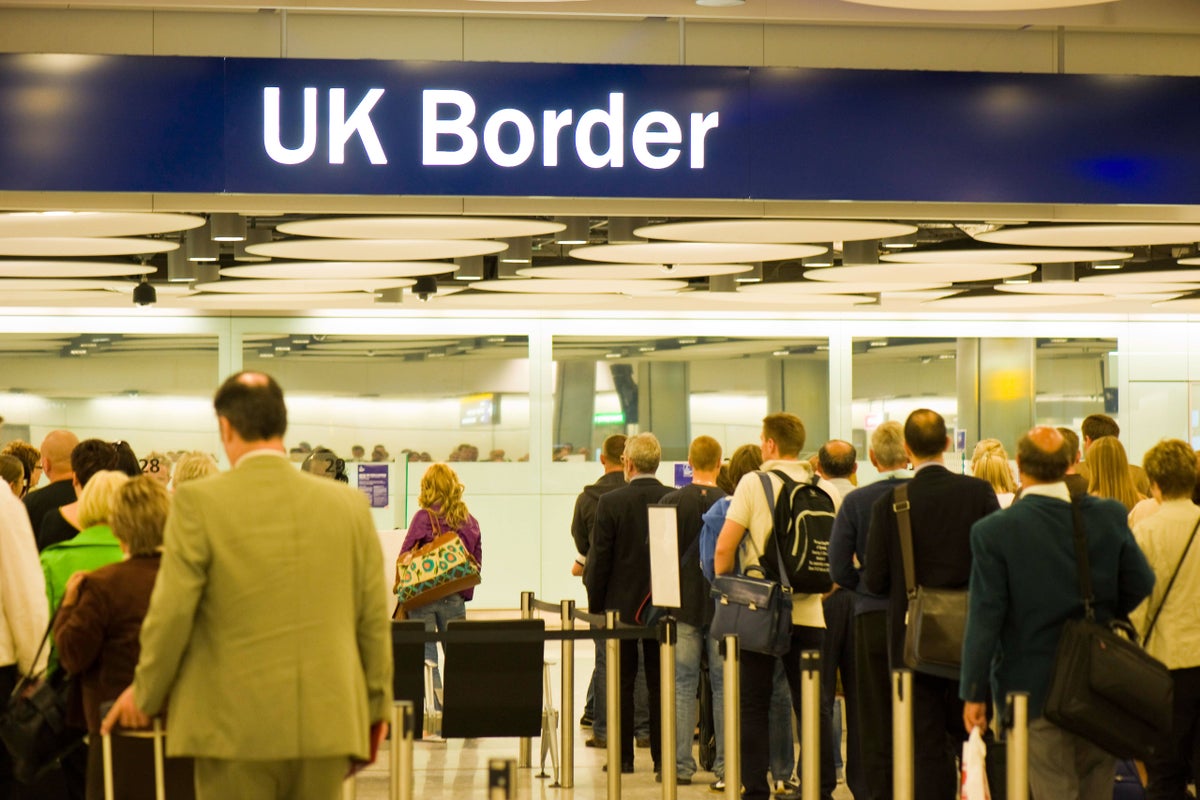
Dozens of travelers discovered this specific aroma in Tunisia recently, their hopes of a direct flight back to Belfast evaporating somewhere between the tarmac and a closed departure gate.
Planes are supposed to be modern magic carpets. We step onto them as stressed mortals and step off them as tourists returning to routine, carrying duty-free chocolate and memories stored on smartphone memory cards. We surrender control the moment we hand our boarding passes to the scanner. We trade our autonomy for a middle seat, trusting that an invisible web of logistics, engineering, and scheduled slot times will deposit us safely back on familiar soil.
That contract broke down in North Africa.
Imagine sitting in a gate area where the departure board flickers once, twice, and then settles into an unmoving silence. The word "Delayed" holds a cruel kind of hope. It implies motion. It suggests that time is merely bending, not breaking. People pace. They check their phones with a frantic thumb-swipe, as if refreshing the screen might somehow rewrite the algorithms of the airline industry. Children grow restless, their toys losing their novelty against the relentless hum of terminal fluorescent lighting.
Then comes the word that changes everything. Cancelled.
Silence follows, thick and awkward. Then a low murmur of disbelief.
For the stranded passengers caught in Tunisia, the cancellation of a Belfast-bound flight was not merely an inconvenience. It was a sudden severance from safety. Home is not just a geographical coordinate; it is a psychological baseline. It is where the milk in the fridge is fresh, where the bed contours to your spine, where the responsibilities of daily life wait in predictable rows. When that baseline is yanked away without warning, adults suddenly revert to a state of profound vulnerability.
Travel is romanticized until it goes wrong. Brochures sell the sunset, the turquoise water, the sudden adventure of getting lost in a labyrinthine medina. They never sell the airport floor at 3:00 AM. They never advertise the panicked calculation of remaining local currency against the inflated price of a bottle of water at an airport kiosk.
Logistics fail because human systems are inherently fragile. A mechanical fault, a crew timing out, an air traffic control restriction—these are the cogs that slip. But behind every slip is a human cost that rarely makes it onto the balance sheet of an aviation quarterly report.
Consider a hypothetical traveler named Sarah, stuck in that Tunisian terminal. She has a dog waiting at a boarding kennel with a strict pick-up time. She has a job where Monday morning carries a presentation that cannot be missed without professional fallout. More than that, she has a mental battery that is flashing red. She has spent days navigating a culture where she is a perpetual outsider, using translation apps to ask for directions, smiling through miscommunications, enduring the delicious but wearing sensory overload of a foreign land. She was ready for the exhale. She was ready for the familiar damp chill of Northern Ireland.
Instead, she is staring at a departure board that has abandoned her.
The communication vacuum is usually the worst part. Information travels through airports like rumors through a medieval village. A cleaner heard a rumor from a security guard. A ground crew member shrugs and points toward a service desk where a queue already snakes around two corners. People cling to fragments of data. Someone read on an online forum that a replacement crew might arrive tomorrow. Someone else heard the flight is rescheduled for forty-eight hours from now.
In the absence of clear truth, anxiety builds its own architecture.
We forget how dependent we are on the social contract of transit. We are packed into metal tubes, hurdling through the stratosphere at five hundred miles per hour, trusting total strangers with our lives. When that trust hits a bureaucratic wall on the ground, the psychological backlash is sharp. Anger flares first. It is an armor against helplessness. Passengers shout at customer service agents who are just as trapped by the corporate machinery as the travelers themselves. The agents bear the brunt of a broken system, fielding questions they have no answers for, handing out vouchers that feel like currency from a ruined nation.
Then anger dissolves into fatigue.
The airport floor becomes a camp. Sweaters are rolled up into makeshift pillows. Backpacks are clutched tightly to chests, the zippers guarded against invisible thieves. Strangers who glared at each other over armrests hours ago begin to share scraps of information, phone chargers, and dry packets of biscuits. A strange, exhausted camaraderie emerges out of the wreckage of schedules. They become a tribe born of misfortune, bound by a shared geography of nowhere.
The journey home is supposed to be the punctuation mark at the end of a sentence. When the punctuation is missing, the whole paragraph feels unhinged.
When those passengers finally touch down in Belfast—whether hours or days later than promised—the homecoming is rarely cinematic. There are no marching bands or joyful embraces captured in slow motion. There is only the damp Northern Irish air, the long walk to baggage claim, and the heavy thud of a suitcase hitting the trunk of a car.
They return changed, even if only slightly. They have brushed against the reality that our modern mobility is a thin veneer over chaos. We are all just one mechanical failure away from being stranded, waiting for a gate agent to look us in the eye and tell us what happens next.
The suitcase is back in the hallway, half-unpacked. The clothes inside smell faintly of airplane cabins and distant dust. And somewhere out there on the Mediterranean, the wind continues to blow across an empty runway, indifferent to the people who were once desperate to cross it.