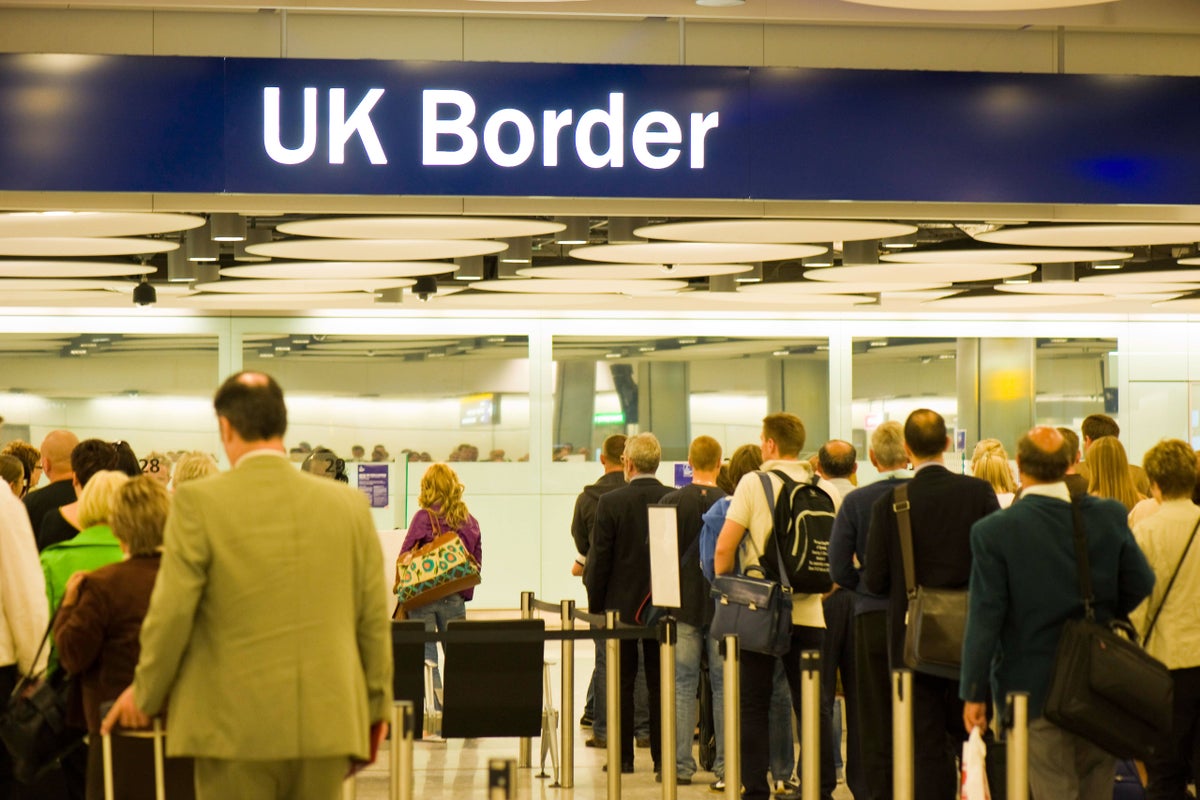
Imagine standing at a foreign departure gate with your boarding pass in hand, ready to head home, only for a computer screen to flash red. You aren't going anywhere. Why? Because an algorithm decided you are your twin sister.
This nightmare scenario isn't science fiction. It's happening right now as governments rush to digitize immigration documents without fixing basic database flaws. When the United Kingdom swapped physical biometric residence permits for a digital-only eVisa system, officials promised a frictionless travel experience. Instead, families are paying the price for sloppy software design that struggles to tell identical siblings apart.
If you share facial features, biometric profiles, or genetic code with a relative, your next international trip might turn into an administrative hostage situation. Here is what is actually going wrong behind the scenes and how to protect yourself before you head to the airport.
How Digital Borders Fail Identical Faces
Biometric verification sounds foolproof. Software scans your face, matches it against a government database, and clears you for travel. But commercial facial recognition and government immigration databases hit a brick wall when confronted with identical twins.
Traditional passport control relied on human eyes. A border force officer notices subtle differences in bone structure, voice inflection, or micro-expressions that algorithms miss. When you replace those officers with a digital eVisa system, nuance disappears. The system looks for binary matches. If two people share the same birth date, strikingly similar facial geometry, and overlapping immigration histories, the backend code often flags them as duplicate entries.
The UK Home Office transitioned millions of residents away from physical cards to online immigration status accounts. These systems pull data from legacy records. If administrative errors during past visa renewals merged family files or crossed reference numbers, the new digital architecture inherits those bugs.
When identical twins apply for documents separately, their digital profiles might as well be linked by invisible wire in the eyes of automated gate checkers. When one person boards a flight, the system updates their status as "in transit" or "departed," inadvertently locking out the sibling whose biometric profile sits too close to the first in the database.
The Real Cost Of Automation Without Safeguards
Airlines carry the immediate financial burden of these software glitches, but passengers pay with their sanity. Carriers face massive fines if they fly an improperly documented passenger into the UK. Because ground staff rely entirely on whatever the carrier portal tells them, they treat a computer error as gospel.
If the eVisa portal tells an airline gate agent that your document is invalid or that you are already flagged in the system, arguing with them is useless. They don't have access to the backend database. They can't call a senior Home Office official to override the system. They just tell you to step aside.
Fixing these records isn't a quick phone call. The digital help desks are swamped. When people get stranded abroad, they face days of waiting for manual ticket reviews while racking up hotel bills and missing work. The promise of speed vanishes the moment an edge case breaks the code.
Practical Steps To Proof Your Digital Status
You can't rewrite government software, but you can bulletproof your travel plans. Don't assume your digital status works just because you received an email confirmation from the immigration portal.
Take screenshots of every single confirmation page, share code, and visa status page before you leave home. Save them locally on your phone where you can access them offline. Wi-Fi at departure airports often fails right when you need to load a web portal.
Keep your physical passport handy even if the country claims to be fully digital. While the UK is phasing out physical cards, airlines still check passport chips against passenger manifests.
If you share a name, birth date, or facial structure with a sibling or close relative, contact UK Visas and Immigration well before your travel date. Ask them to verify that your National Insurance number, passport details, and biometric markers are explicitly isolated from any family member's file.
Watch your share codes like cash. Generate fresh codes specifically timed for your return journey, and make sure you understand how long they remain valid.
Governments wanted a paperless border. They built a fragile one instead. Until engineers build systems smart enough to recognize human individuality, travelers caught in the twin trap have to stay ten steps ahead of the database. Check your status twice, keep offline backups, and never trust that the screen is telling the truth about who you are.