Detaining Abhijeet Dipke right before a scheduled rally isn't a neat off-switch for India's cockroach movement. Honestly, it usually does the opposite. When police step in ahead of a protest in central Delhi—closing public spaces and picking up organizers—the crackdown itself becomes part of the headline.
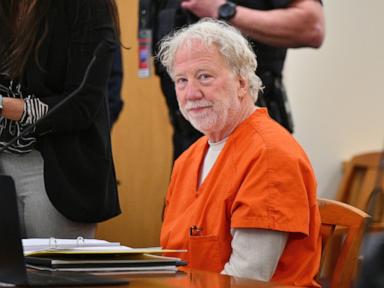
On October 16, 2026, police in New Delhi detained Abhijeet Dipke, founder of the youth-driven Cockroach Janta Party (CJP), along with supporters ahead of a planned gathering near Central Park in Connaught Place. Authorities served warnings against an unauthorized march and shut Central Park for two days for administrative reasons. Even without Dipke at the front of the crowd, hundreds of demonstrators—and by some accounts around two thousand—still showed up around the area, waving flags and pushing against security. Discover more on a similar issue: this related article.
That single detention sits inside a much bigger story. What started in May 2026 as a sharp, satirical clapback to a Supreme Court remark has grown into one of the most disruptive street-and-screen movements Prime Minister Narendra Modi's government has faced. At the center of the October standoff wasn't just exam leaks anymore, though those sparked the first wave. It was anger over voter roll deletions and demands that Chief Election Commissioner Gyanesh Kumar resign.
How a Satirical Clapback Became a Street Force
Nobody outside a handful of political communicators saw this coming when it began. On May 15, 2026, Chief Justice of India Surya Kant drew backlash during a Supreme Court hearing over remarks comparing certain unemployed young people and social-media activists to cockroaches, later saying his comments had been misconstrued. The next day, Dipke posted on X asking what would happen if all the cockroaches came together. Additional reporting by Reuters highlights related perspectives on the subject.
The joke landed. Hard.
Dipke—a political communications strategist born in Aurangabad (Chhatrapati Sambhajinagar), Maharashtra, who previously worked on the Aam Aadmi Party's social media team, advised the Delhi government's education department, and studied public relations at Boston University—turned an insult into an instant mascot. Cockroaches survive everything. That was the whole point. In a country where millions of young people feel squeezed by job scarcity, inflation, and botched exams, adopting the label flipped the stigma back on the establishment.
Online registrations surged into the hundreds of thousands within days, and Instagram followers climbed past twenty million, eclipsing major established accounts in sheer viral velocity. Yet treating the CJP as "just a meme page" is a classic mistake. Satire gets attention; concrete grievances keep people in the heat for weeks.
From Exam Leaks to Voter Rolls
Early momentum fed directly on frustration over leaked examination papers and youth unemployment. Weeks of demonstrations and street pressure in July 2026—marked by clashes near Parliament, intense public scrutiny, and a political reckoning—culminated in the resignation of Education Minister Dharmendra Pradhan, a major shock for the ruling Bharatiya Janata Party (BJP).
By autumn 2026, the movement's target had shifted toward electoral mechanics. Critics, opposition groups, and activists have accused the Election Commission of mishandling its Special Intensive Revision (SIR) of electoral rolls, a process that began in Bihar and expanded nationwide. According to reports from outlets like The Guardian and CIVICUS Lens, more than 130 million names have been struck from voter rolls nationwide, with sharp drops reported in places like Delhi.
The Election Commission and the government reject accusations of partisan manipulation, stating the exercise aims to clean up duplicate, dead, or ineligible entries and ensure accurate rolls. Even so, civil liberties researchers and legal advocates warn that strict documentation rules and confusing notices hit migrant workers, low-income households, and minorities hardest. When people think their basic right to vote has vanished quietly on a spreadsheet, street anger follows fast.
Why Preemptive Detentions Cut Both Ways
In protest policing, preventive detention is a familiar tool. Police argue it keeps crowds manageable, avoids clashes, and enforces permit rules when rallies aren't cleared. Look at how October 16 played out, though, and you see the catch: locking up the organizer right before a scheduled event doesn't erase the crowd that already planned to come.
When a protest movement is built on decentralized youth networks and viral clips, taking one figure into custody often turns a routine march into a test of endurance.
Defense Minister Rajnath Singh pushed back hard on the protests, arguing that the demonstrations were being used by the opposition Congress party in an attempt to seize power and turn young people into pawns in "the politics of anarchy" rather than nation-building. That framing speaks directly to voters worried about disorder and foreign examples of youth upheaval.
At the same time, movement figures like Dipke and CJP organizers reject the "puppet" label, insisting their platform isn't formally registered as a party with the Election Commission and isn't owned by any single legacy party—even when left-wing student groups or opposition figures overlap in the streets. Meanwhile, accounts from movement members describe decentralized coordination: if one leader is detained or a venue is shut, local chapters in cities like Mumbai, Bengaluru, Patna, or Kochi keep the pressure moving.
There are real tensions inside the movement itself that shouldn't be glossed over. Because the CJP grew out of viral humor and broad anti-establishment frustration, its coalition spans different political instincts—from students angry about job exams to activists focused on constitutional institutions and minority voter protections. Keeping a sprawling, mostly young network disciplined without turning into a rigid top-down machine is harder than going viral.
What This Means for Readers and Observers
If you're following Indian politics or trying to make sense of why a movement named after cockroaches keeps pulling headlines, don't stop at the mascot. Watch three concrete things instead:
- Check primary electoral roll data and court filings: Voter revision disputes hinge on verification rules, appeals processes, and official roll numbers—not just social media claims or political slogans.
- Track institutional pushback, not just street headcounts: Pay attention to internal debates inside oversight bodies, judicial scrutiny, and legislative changes around exams and public order, which often leave deeper marks than a single afternoon rally.
- Separate memes from organizational staying power: Viral reach gets crowds to show up once or twice, but legal aid, local chapters, and sustained policy demands determine whether a youth wave lasts past the news cycle.
Watch He Risked Prison For a Joke. It Ignited a Movement. | NYT Opinion on YouTube to hear Abhijeet Dipke explain in his own words how a viral social media post turned into a nationwide youth movement and what lessons he draws from leading it.