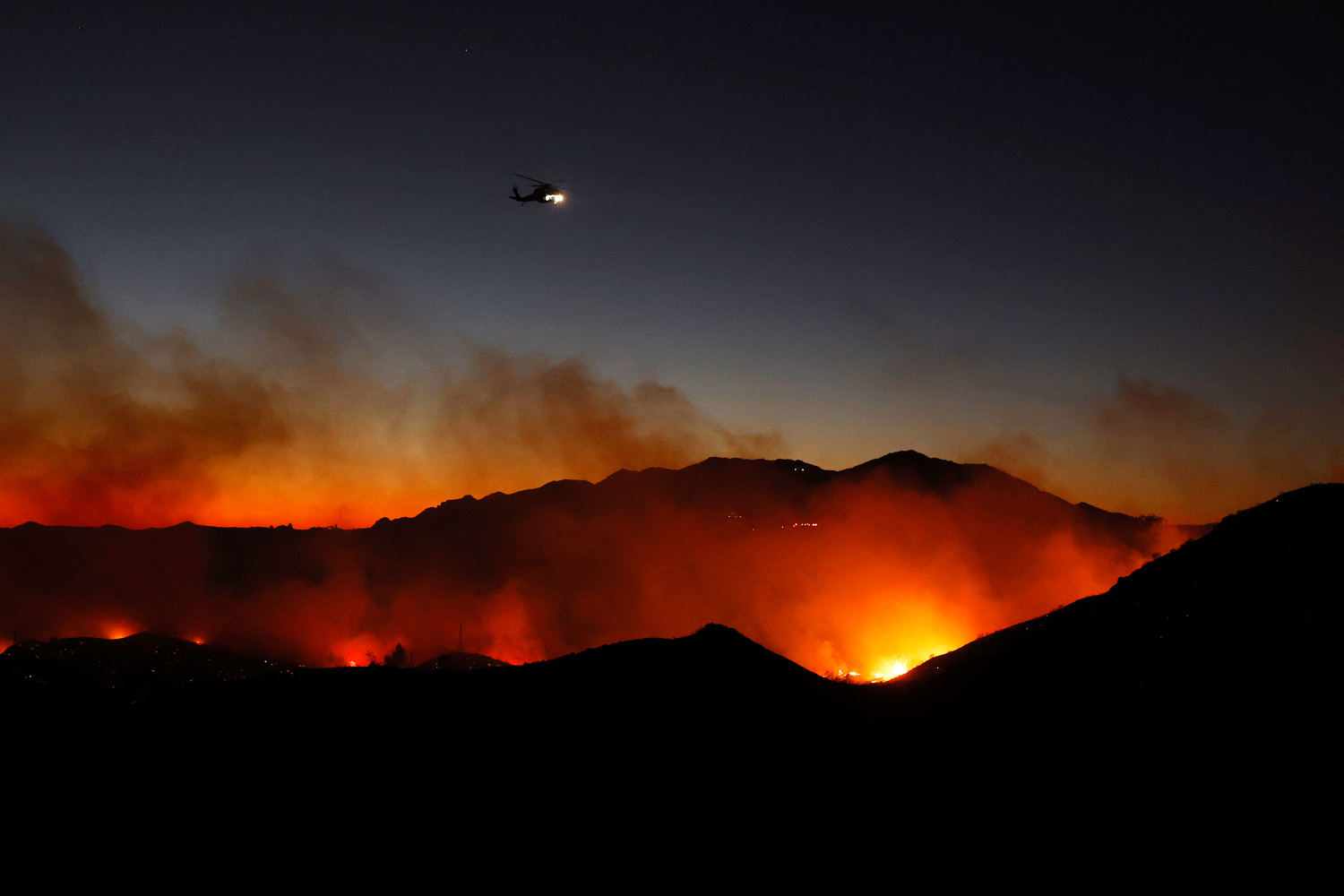
When multiple fires break out across Southern California at the same time, evacuation orders rarely wait for a dramatic wall of flame to reach your front door. Smoke moves first. Winds shift second. And suddenly a neighborhood that looked calm twenty minutes earlier is telling residents to grab their go-bags and leave.
That speed catches people off guard every single year. Honestly, a lot of folks still picture wildfire danger as a single mountain blaze creeping slowly down a ridge, giving them hours to pack photo albums, sort documents, and debate whether they really need to go. Multiple fires in Southern California don't play by slow rules. When dry offshore winds—especially Santa Ana events—pick up across canyons, foothills, and urban edges, embers can travel well ahead of the main fire front and ignite spot blazes in places people assumed were safe.
Because the competitor URL is undefined and no specific fire event or live incident report was provided in the prompt, I can't point to a single breaking blaze or cite unverified live acreage, evacuation counts, or casualty figures from an active incident. What I can do is lay out how multi-fire episodes unfold in Southern California, why evacuation orders get issued so rapidly, what residents consistently misunderstand about fire behavior and smoke, and how to make smart decisions when alerts start buzzing on your phone.
What Multiple Fires in Southern California Actually Mean on the Ground
A single wildfire stretches firefighting resources. Multiple fires at once fracture them.
That's the simplest way to understand why simultaneous blazes change the equation for both responders and residents. When two, three, or more fires ignite across Los Angeles, Ventura, San Bernardino, Riverside, or San Diego counties, local fire departments, county agencies, and state crews have to divide air tankers, water-dropping helicopters, engines, and command staff across competing fronts. Even with mutual aid agreements—where neighboring departments send crews to help—nobody gets unlimited aircraft or infinite engines at the exact same moment.
Fire behavior across Southern California is shaped by a notoriously punishing mix of terrain, climate, and human proximity. Steep canyons act like chimneys that funnel heat and wind upward. Chaparral and coastal sage scrub build up dense, dry fuel loads over months without meaningful rain. Then dry air masses push down from the interior deserts toward the coast, dropping humidity into single digits or low teens and turning dry brush into kindling.
When multiple fires burn simultaneously under those conditions, officials aren't just watching where the flames are right now. They're trying to predict where the wind will push embers ten minutes from now, which roads could become bottlenecks, and which neighborhoods sit downwind if another ignition starts.
Why Evacuation Orders Hit Before Flames Are Visible
One of the biggest mistakes people make is waiting until they see orange glow or flames on the hillside before packing up. By the time flames are visible from your street, conditions can already be deteriorating fast.
Emergency managers issue warnings and mandatory evacuations ahead of the fire front for a few very practical reasons:
- Ember showers start early. Burning twigs, pine needles, and chaparral fragments can ride strong winds ahead of the main blaze, starting new spot fires on roofs, dry lawns, and stacked firewood while the main line of fire is still miles away.
- Visibility and air quality drop abruptly. Thick smoke can turn midday skies dark and disorienting, making driving harder and slowing down people who wait until the last minute.
- Roads clog quickly. Foothill and canyon communities often rely on narrow, winding routes with limited exits. If everyone leaves at the exact same moment after flames reach the ridge, traffic can stall right when emergency vehicles need clear lanes to get in or residents need to get out.
- Firefighters need room to work. Crews conducting structure protection, backfires, or tactical defense need clear streets and fewer civilians stuck in active zones.
In California's emergency management system, an evacuation warning means serious threat—get ready, pack essentials, stage your car, and be prepared to leave immediately. An evacuation order means immediate life threat—go now. Treating a warning like "I have plenty of time to iron my shirts" is how people end up scrambling in heavy smoke.
Common Misconceptions That Put People at Risk
Wildfire advice sounds straightforward until stress kicks in. Over years of watching how communities react during multi-fire events, a few stubborn myths keep tripping people up.
Myth 1: A Big Concrete House Means You're Safe Inside
Living in a modern stucco or masonry home in a well-kept suburb feels miles away from a wildland forest. It isn't.
Homes in Southern California burn for lots of reasons beyond a giant wall of wildland fire rolling through the yard. Windblown embers can slip into attic vents, crawlspaces, or under eaves. Dry patio furniture, fences abutting a structure, mulch piled against siding, or open vents can catch fire and feed flames directly into the house. Even if your home has fire-resistant features, staying behind when an evacuation order is issued puts you in danger from smoke inhalation, trapped exits, loss of power or water pressure, and zero guarantee that a fire engine will be stationed on your block.
Myth 2: You Can Just Watch Local TV and Wait It Out
Television coverage is helpful for big-picture context, especially during multi-fire events when several incidents are competing for airtime. It is not a substitute for official local alerts.
During fast-moving wind events, fire perimeters and evacuation zones can shift faster than a broadcast rundown. Relying solely on a single news channel or social media rumor can leave you looking at outdated maps. Official county emergency portals, alert systems like Wireless Emergency Alerts, and local fire or sheriff accounts give the most direct instructions for specific zones—though even then, cell networks and power can get strained during major emergencies, which is why having multiple ways to get alerts matters.
Myth 3: Packing Means Saving Everything You Own
When adrenaline spikes, people freeze over what to take. Should you grab the wedding album, the tax files, the extra sneakers, or the blender?
If you haven't thought about this ahead of time, you'll waste precious minutes standing in a hallway trying to decide. In real evacuations, speed beats perfection every single time. Things can be replaced—sometimes painfully, sometimes through insurance, sometimes not in the exact same sentimental form—but your life and your family's safety come first.
How Multi-Fire Events Strain Systems Beyond the Flames
When multiple fires burn at once, the ripple effects reach well outside the evacuation zones. You don't have to live next to a canyon to feel the impact.
Smoke plumes can drift dozens of miles across basins and valleys, sending fine particulate matter (PM2.5) levels soaring. For people with asthma, COPD, heart conditions, pregnant individuals, older adults, and young children, bad smoke isn't a minor annoyance—it's a real health trigger. Even healthy people get headaches, irritated eyes, and scratchy throats when smoke settles heavily over a metro area.
Utilities and infrastructure also feel the strain. Power providers in California regularly weigh or execute Public Safety Power Shutoffs when extreme fire weather—high winds, low humidity, and dry vegetation—creates a high risk that downed lines or equipment could spark a new blaze. Losing power during a multi-fire event complicates garage doors, cell charging, medical devices, and air filtration all at once.
Then there's the emotional toll. When multiple fires are burning across the region, people with family, coworkers, or kids across different cities end up tracking several moving targets at once. That constant low-grade alarm fatigue wears people down fast, especially when fire season stretches out or flares up unexpectedly outside what people think of as "peak" summer months.
Practical Next Steps When Fires Break Out Nearby
You don't need a bunker to be prepared for Southern California fire weather. You just need habits that don't fall apart when your heart rate goes up.
- Know your exact zone and official alert channels. Check your local county emergency management site or sheriff/fire department updates so you know how evacuation zones are named or numbered where you live and work. Make sure emergency alerts are turned on for your phone.
- Keep a realistic go-bag and essential list ready. You don't need an elaborate survival kit sitting in the corner if you're in town, though a small grab-and-go bag helps. At minimum, have a clear mental or written checklist of irreplaceable items—medications, glasses or contacts, IDs, passports, key financial/insurance info, chargers, pet food and leashes, and sturdy shoes.
- Park smart when fire weather spikes. Back your car into the driveway or garage and keep the fuel tank at least half full during high-wind, high-fire-danger days. If power goes out or you need to leave in a hurry, you don't want to wrestle a dead garage opener or hunt for a gas station with lines.
- Plan for pets and livestock early. Animals get spooked by sirens, smoke, and unfamiliar commotion. Have carriers, leashes, crates, and a destination plan lined up before an order hits—don't wait until smoke is thick to figure out where a dog, cat, horse, or reptile can go.
- Check indoor air if smoke rolls in. If you aren't under an evacuation order but smoke is heavy in your area, keep windows and exterior doors closed, set HVAC systems to recirculate rather than pull outside air in if appropriate for your setup, and consider a portable HEPA air purifier for a main room.
- Leave early if a warning turns into an order—or if conditions feel wrong. Trust official orders first, and don't second-guess leaving early if you have kids, pets, health vulnerabilities, or long travel times. Getting out ahead of the rush is almost always better than trying to beat a shifting wind.
Wildfires in Southern California will keep testing communities whenever dry brush, steep terrain, and strong winds collide. Staying sharp doesn't mean living in fear—it means moving early when the warning signs show up, keeping your options open, and not waiting for flames to prove the danger is real.