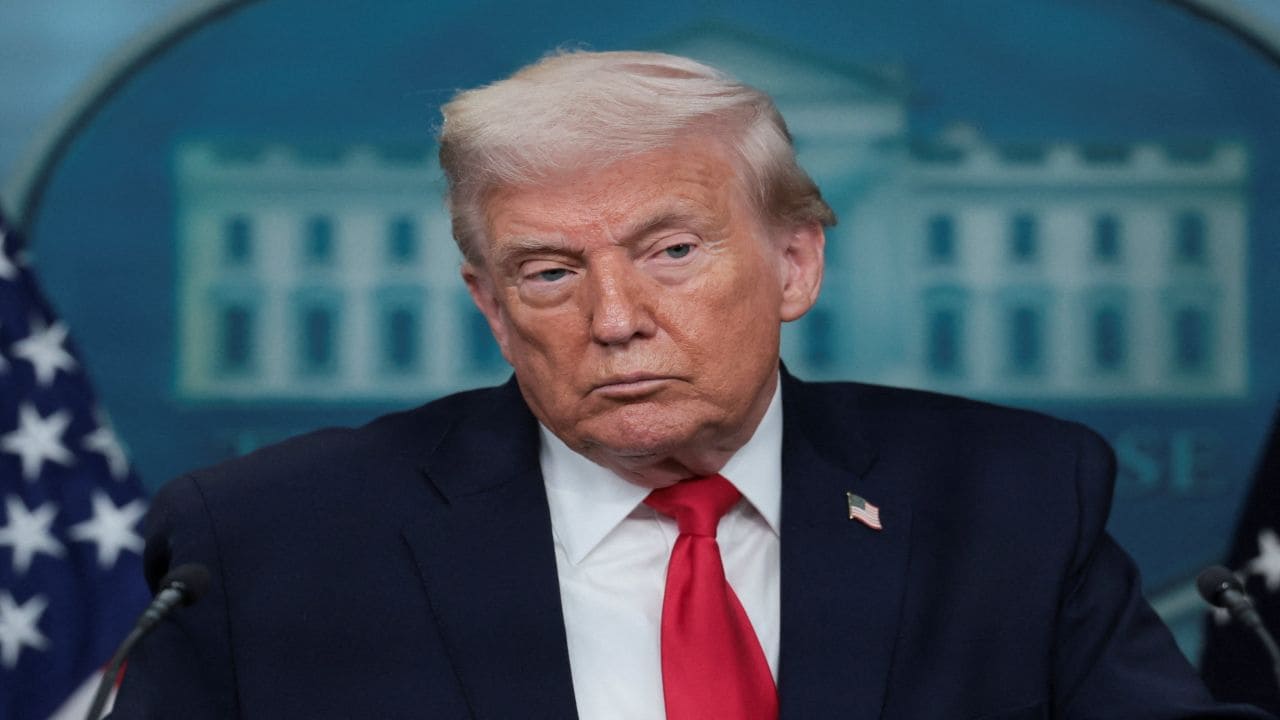
Polling is the junk food of political discourse. It’s easy to consume, provides a temporary rush of tribal validation, and contains zero nutritional value for anyone trying to understand the underlying mechanics of power. The recent headlines screaming that Americans oppose Donald Trump’s face on the currency by a 2-to-1 margin aren't reporting on a policy debate. They are reporting on a collective hallucination.
The obsession with whose portrait graces a $10 or $20 bill is the ultimate "low-information" battlefield. While the pundit class treats currency design like a high-stakes referendum on national soul-searching, they are missing the systemic reality: physical cash is becoming a decorative relic, and the real fight for the American economy is happening in the digital plumbing where faces don't exist.
The Myth of the Sacred Greenback
Critics argue that putting a polarizing figure like Trump on money "cheapens" the national brand. This assumes the brand isn't already under a sledgehammer. The US dollar’s status as the global reserve currency doesn't depend on the aesthetic appeal of the guy in the wig or the tie. It depends on the liquidity of our Treasury markets and the perceived stability of our legal framework.
If you think a merchant in Seoul or a central banker in Zurich cares about the signature on the bottom right of a Federal Reserve Note, you haven't been paying attention to how global trade actually functions. Money is a tool of utility, not a yearbook page.
The "Lazy Consensus" here is that currency is a static monument to our collective values. It isn't. It is a medium of exchange. By treating it as a sacred canvas, we fall into the trap of symbolic politics—fighting over the wallpaper while the foundation of the house is being rewired for a Central Bank Digital Currency (CBDC) that will render the whole "portrait" debate obsolete within a decade.
Polling is a Mirror, Not a Map
The 2-to-1 opposition cited in recent polls is a classic example of Preference Falsification. When a pollster calls a random American and asks if they want a controversial politician on their money, the respondent isn't calculating the economic impact. They are signaling their membership in a team.
I’ve spent years analyzing sentiment data in the fintech sector. What people say they want in a poll and how they behave with their wallets are two different universes.
- Polls say people hate "junk fees," yet they continue to use banks that charge them.
- Polls say people want "unity," yet they click on the most divisive content available.
If the Treasury actually printed a Trump bill, the same people "outraged" by the poll would be the first ones listing those bills on eBay for a 500% markup. We saw this with the "Trump Digital Trading Cards." The media laughed; the market bought. The outrage is the marketing plan.
The Alexander Hamilton Irony
The current debate centers on the $10 bill, currently home to Alexander Hamilton. The irony is thick enough to choke a horse. Hamilton, the architect of the American financial system, was arguably the most polarizing figure of his era. He was loathed by the Jeffersonians as a monarchist puppet of the banking elite.
If we used 18th-century polling methods, Hamilton would have been kicked off the currency before the ink was dry. We value him now because his system worked, not because he was liked. The modern push to use currency as a tool for social engineering—whether it’s putting Harriet Tubman on the $20 or blocking Trump from the $10—ignores the fundamental purpose of the Treasury. Its job is to ensure the integrity of the money supply, not to act as a national HR department.
The Aesthetic Trap of the "Ballroom"
The competitor article leans heavily on the idea that Americans find the "Trump Ballroom" concept distasteful. This refers to the aesthetic of gold-plated, high-glitz luxury associated with the Mar-a-Lago brand.
But look at the architecture of our modern economy. We live in a world of "Veblen goods"—items where demand increases as the price increases because they signal status. The "Ballroom" aesthetic isn't an anomaly; it’s the logical conclusion of an economy built on branding and perceived value rather than manufacturing output.
To oppose the "Trump aesthetic" while living in an economy driven by Instagram-filtered luxury and influencer-led consumption is peak hypocrisy. We are already living in the ballroom; some people just don't like the color of the drapes.
The Real Power is Not on the Paper
While we argue about whose face is on the paper, we are ignoring the silent revolution in monetary sovereignty.
The Federal Reserve is currently navigating a landscape where the dollar is under pressure from:
- De-dollarization efforts by the BRICS nations.
- The rise of stablecoins that bypass traditional banking rails.
- The inflationary pressure of a $34 trillion national debt.
In this context, arguing about a portrait is like arguing about the font size on the Titanic's dinner menu. The real threat to the "signature on the money" isn't whose name is signed; it's whether that signature will buy a gallon of milk in 2030.
I have watched institutional investors move billions into "trustless" assets precisely because they are tired of the politicization of the fiscal system. Every time we turn the currency into a political football, we weaken the "Full Faith and Credit" of the United States. We are telling the world that our money is no longer a neutral tool of commerce, but a billboard for whoever happens to be winning the latest culture war.
The "Brutal Honestly" of Currency Design
If we actually wanted to be honest about our currency, we wouldn't put politicians on it at all. We would put the things that actually back the dollar:
- A Reaper Drone.
- An Oil Rig.
- The logo of the five biggest tech companies.
That would be a reflection of reality. Putting a "likable" figure on the money is just a way to sanitize the raw power that currency represents. Whether it’s Trump, Jackson, or Tubman, the portrait is a mask.
The 2-to-1 opposition to Trump on the currency isn't a sign of moral clarity. It’s a sign of a distracted populace focusing on the shadow instead of the hand that moves it.
Stop asking if a politician "deserves" to be on the money. Start asking why we are still using 19th-century physical tokens to represent value in a 21st-century digital panopticon. The face on the bill doesn't matter when the bill itself is being programmed to track your every move.
The pollsters are asking the wrong question. The public is giving the wrong answer. And the architects of the new financial system are laughing all the way to the digital vault.
Forget the portrait. Watch the ledger.