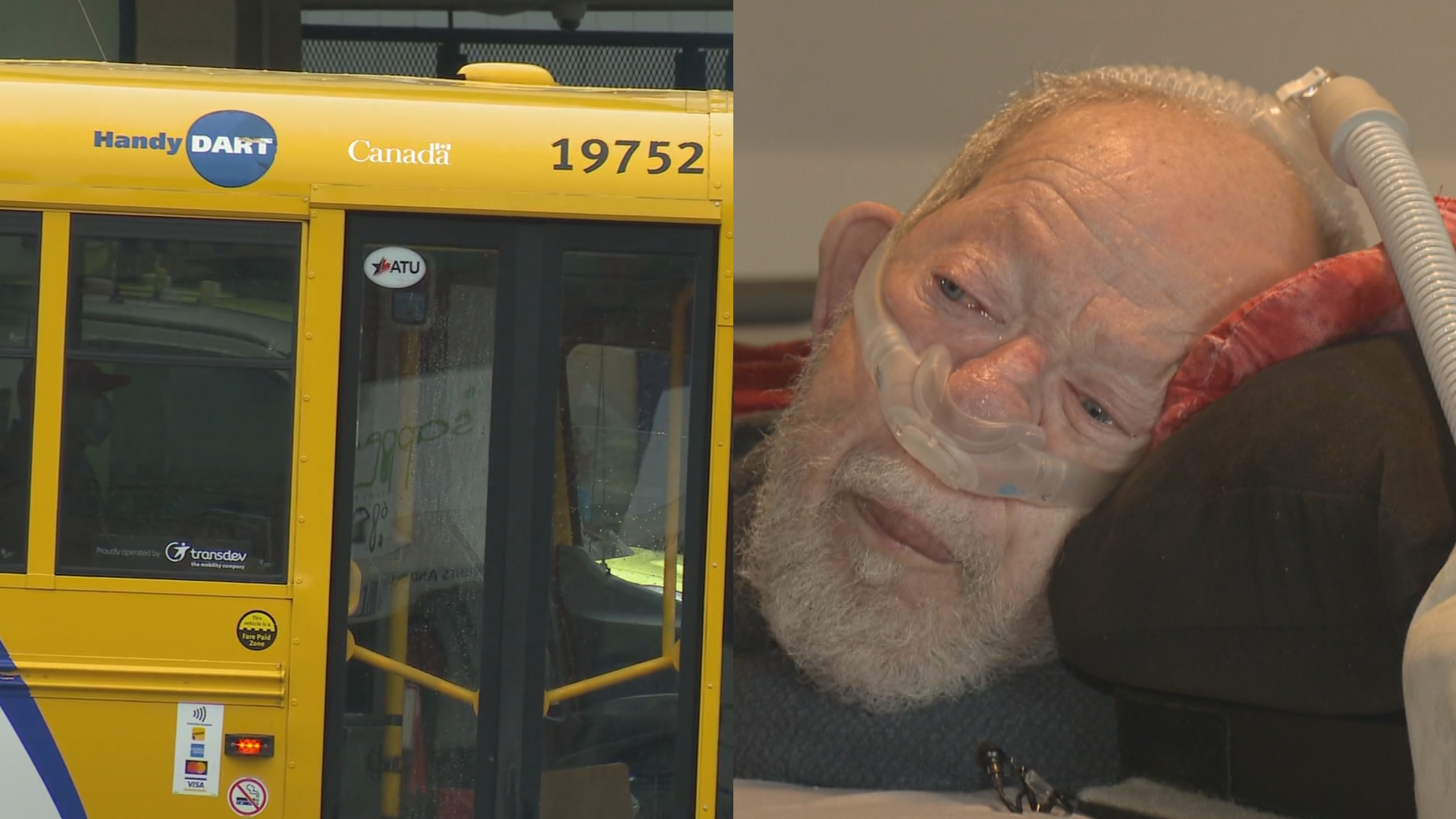
Imagine relying on a transit system for nearly thirty years, only to be told overnight that you are suddenly a liability.
That is the harsh reality Tom Cretain faced when TransLink and its contractor, Transdev, pulled the plug on his HandyDART service. Cretain, a 71-year-old Surrey resident living with spinal muscular atrophy, cannot sit up independently. For decades, accessible vans and taxis carried him reliably to medical appointments, community events, and social outings. Then came a wheelchair measurement meeting, a sudden letter citing safety rules, and instant house arrest. Discover more on a connected subject: this related article.
Public outrage followed quickly. British Columbia Minister of Transportation Mike Farnworth stepped in, stating publicly that TransLink must find a working solution. When basic accessibility collapses under the weight of red tape, the entire public transit mandate fails.
The Trap of Rigid Transit Policies
Why does a system that worked for 30 years suddenly stop working? TransLink points to strict vehicle lift thresholds and manufacturer specifications. Officials argue that equipment sizes and weight limits exist to protect both operators and passengers. Additional analysis by USA Today delves into comparable views on this issue.
Yet, this bureaucratic logic triggers an obvious question. Cretain put it bluntly: were they transporting him unsafely for nearly three decades without a single accident, or did an office worker simply find a convenient rule to hide behind?
Contracted transit operations often prioritize rigid compliance over human outcomes. When private companies run specialized services like HandyDART, liability clauses and risk mitigation frequently eclipse common sense. If a mobility device fit into accessible vehicles for thousands of days previously, a sudden policy crackdown feels less like a safety upgrade and more like institutional abandonment.
The Real Cost of Paratransit Failures
For people with severe physical disabilities, public transit is not a matter of convenience. It is a lifeline.
When paratransit fails, freedom vanishes instantly. Cretain spent two months completely confined to his home, missing summer plans and vital healthcare routines simply because transit administrators refused to budge. Advocacy groups and local politicians, including independent MLA Elenore Sturko, correctly labeled the cutoff as a form of systemic discrimination.
Transit authorities cannot hide behind equipment size specs while leaving citizens stranded indoors. If current vehicle lifts or contracted taxis cannot handle specialized medical chairs, the system needs better vehicles, not fewer passengers. Paratransit fleets must adapt to the actual population they serve, rather than forcing vulnerable riders to conform to arbitrary limitations.
Minister Farnworth's intervention signals that political pressure works, but individual exceptions should not require ministerial oversight to function. Public transit networks must build permanent flexibility into their contracts. Agencies handling public funds owe disabled taxpayers an inclusive service model that honors long-term reliability.
Fixing this specific crisis means putting Cretain back on the road immediately. Fixing the broader system means rewriting contractor rules so accessibility never depends on bureaucratic whim.