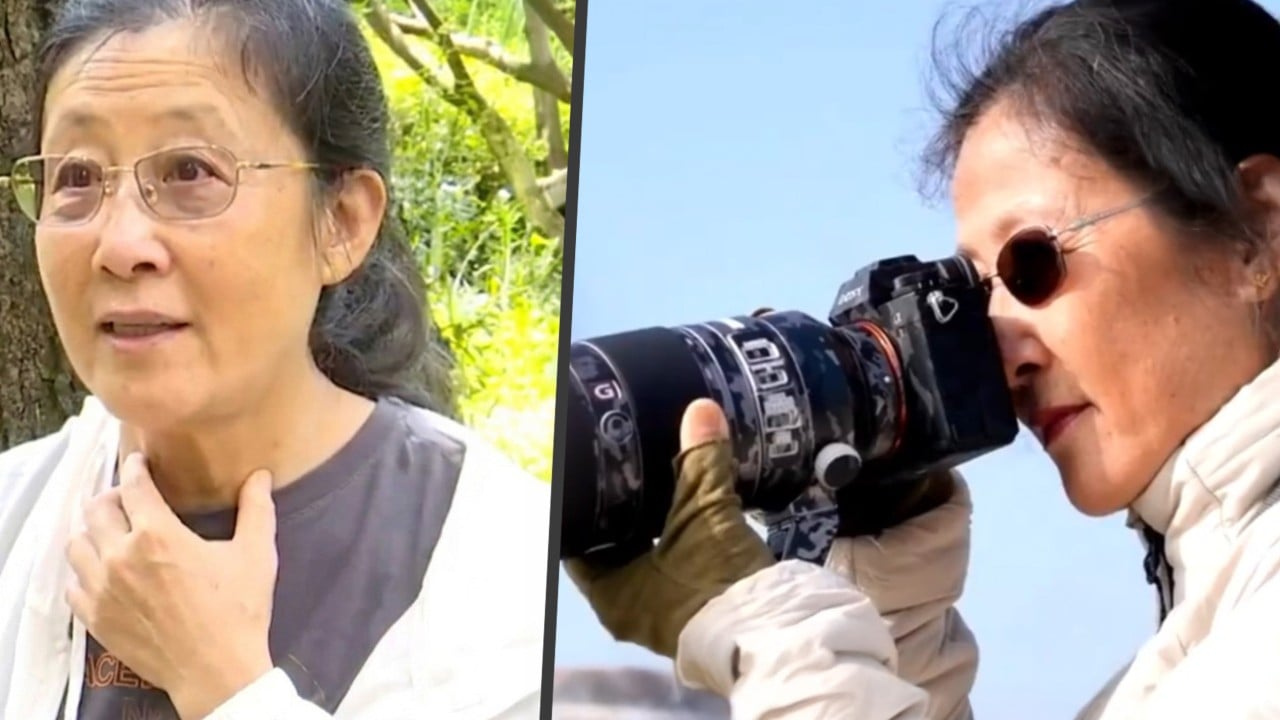
We love a good miracle narrative. The internet feasts on headlines about retirees defying medical odds, tossing their prescription bottles into the wind, and jetting off to Machu Picchu or the Grand Canyon because a doctor gave them a bleak timeline. The lazy consensus says joy cures cancer. The narrative insists that crossing off a final item on a travel checklist releases enough endorphins to shrink a tumor and rewrite cellular biology.
It makes for a great viral post. It is also a dangerous distortion of how human physiology actually works. Learn more on a connected subject: this related article.
I have watched families bankrupt themselves chasing eleventh-hour bucket-list excursions under the magical-thinking belief that an airplane ticket acts as chemotherapy. We want to believe that willpower and a passport can outrun oncology. They cannot. When a tumor shrinks after a major trip, attributing the remission to the sightseeing itinerary ignores the actual clinical mechanisms at play: spontaneous regression, delayed pharmacological efficacy from prior treatments, or misdiagnosed markers. Pinning survival on a tourist destination trivializes actual medical science and places an unfair psychological burden on patients who travel, fail to improve, and then wonder if they simply lacked enough enthusiasm for the Eiffel Tower.
Let us dismantle the wellness myth of the bucket list right now. More journalism by Psychology Today explores similar views on this issue.
The Stress of Leisure
We treat travel as an unalloyed good. It is not. Modern tourism involves cramped cabins, disrupted circadian rhythms, dehydration, immune system exposure in crowded airports, and the acute cortisol spikes of navigating foreign transit networks.
For a healthy person, these are minor annoyances. For someone recovering from major oncology interventions or living with active malignant growths, a grueling itinerary is physical punishment. The human body does not distinguish between the stress of a missed connecting flight in Frankfurt and the stress of a predator in the brush; the hypothalamic-pituitary-adrenal axis fires the same way. Pushing a frail body across international time zones in the name of living before you die often achieves the exact opposite. It accelerates exhaustion.
When a retiree claims a vacation cured their illness, we ignore the baseline variables. Did their maintenance chemotherapy finally peak in efficacy? Did a change in diet at home eliminate an inflammatory trigger? Did stopping a secondary medication halt a cascade of side effects? Reducing a complex biological turnaround to a snap-happy vacation photo is lazy journalism.
The Tyranny of the Final Checklist
The entire concept of the bucket list rests on a grim premise: that life's value is backloaded into a frantic sprint before expiration. It assumes that routine daily existence is worthless and that meaning only exists in extreme geographic dislocation.
This philosophy promotes a frantic consumerism of experiences. You must see the Northern Lights. You must walk the Great Wall. You must eat pasta in Rome. If you spend your working decades enduring misery under the promise of a future retirement filled with expensive transit, you have already lost. Waiting until a terminal diagnosis or a golden-age retirement to start paying attention to your environment is a catastrophic failure of daily life design.
People do not need a list of extreme coordinates to find biological or psychological equilibrium. They need routine, low-stress autonomy, deep social connection, and an absence of chronic low-grade anxiety. None of those require an international first-class ticket. In fact, some of the most profound markers of longevity are found in the mundane routines of blue zones—gardening, walking short distances daily, eating whole foods, and maintaining strong local community ties. None of those involve checking off a 10-point travel manifesto.
Re-Engineering the Later Years
If you want to protect your health as you age, stop planning monumental trips and start planning for friction reduction.
The real enemy of longevity in later life is not a lack of adventure; it is isolation, loss of physical agency, and medical mismanagement. When we encourage aging individuals to throw caution to the wind and embark on exhausting global tours to satisfy social media tropes, we risk falls, infections, and psychological burnout.
Instead of asking what is left on your bucket list, ask what daily friction you can eliminate from your calendar. Optimize your sleep environment. Build a strength-training routine that preserves bone density and muscle mass. Cultivate friendships that do not require an airline ticket to maintain.
The obsession with dramatic, movie-style healing arcs prevents us from doing the quiet, unglamorous work of staying healthy every single Tuesday of the year. Stop waiting for a medical crisis to give you permission to enjoy your afternoons. Stop treating geography as a cure for pathology.
Adventure is fine. Just stop pretending it's medicine.