The Echoes of Anfield
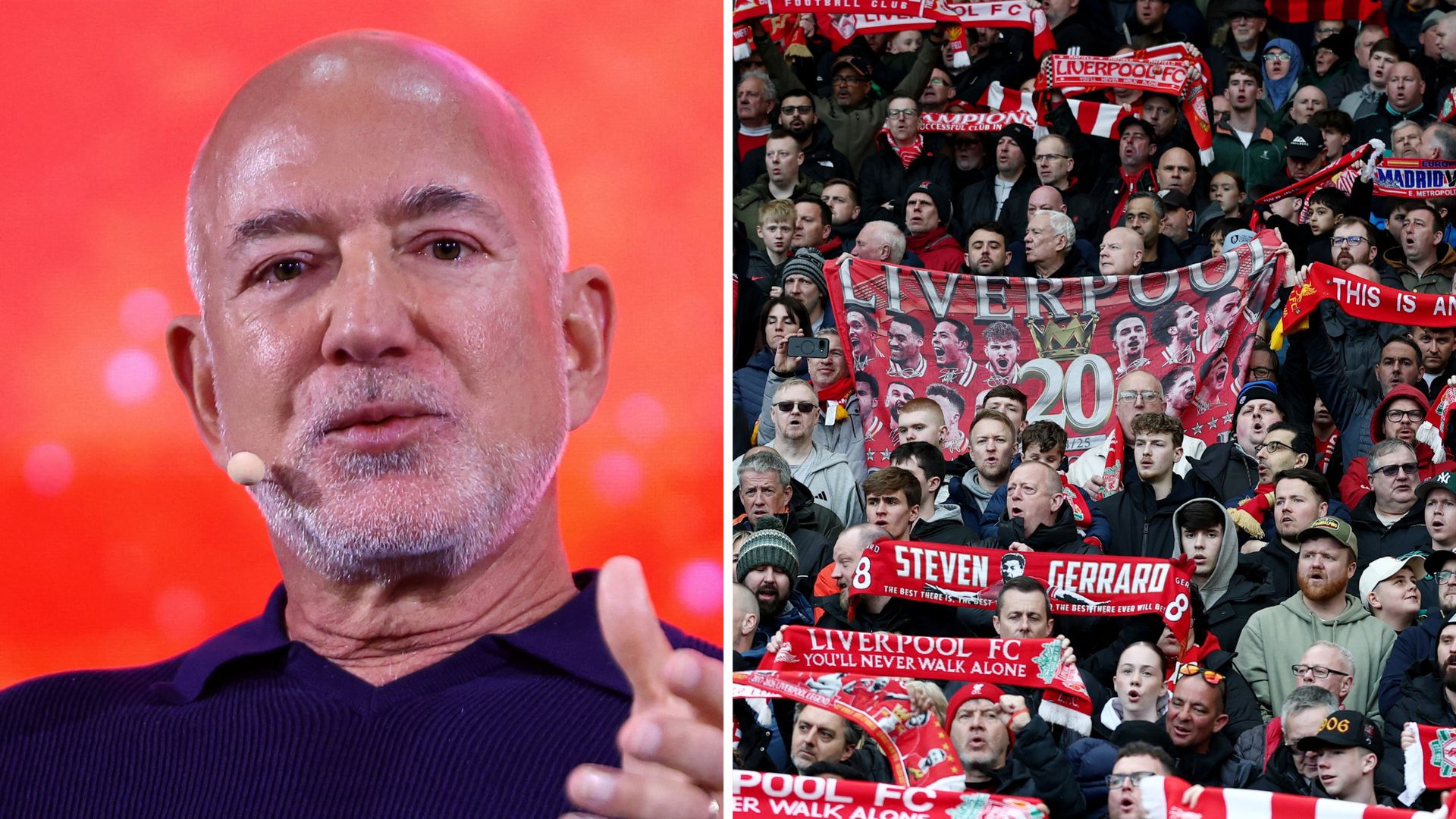
Rain slicks the pavement outside Anfield Road, reflecting the neon hum of cheap street food stalls and the dull grey of a Liverpool afternoon. Walk down Walton Breck Road on match day, and you will smell fried onions, stale beer, and decades of sweat embedded in brick. This is a working-class cathedral. The people who fill these stands do not view Liverpool Football Club as a brand, a financial asset, or an entry on a balance sheet. They view it as an inheritance.
Now, somewhere thousands of miles away in a sun-drenched boardroom, elite financial orchestrators are pitching a fundamentally different vision.
A international consortium has set its sights on bringing Jeff Bezos—the man who built an e-commerce empire from a Seattle garage—into the fold of Anfield’s ownership structure. Fenway Sports Group, the American private equity firm that has guided Liverpool through a decade of calculated growth, has been open to selling a minority stake. They want fresh capital. They want strategic scale. And in the high-stakes game of global sports ownership, few names carry the sheer weight of the Amazon founder.
To understand why this courtships matters, you have to look beyond the staggering numbers. You have to look at what happens when the absolute peak of modern hyper-capitalism collides with a culture rooted in collective identity.
Money, Math, and the Modern Game
European football used to be simple. Local magnates bought their hometown clubs, threw a few million pounds at a star striker, and watched from the directors' box with a cigar. That era is dead.
Today, top-tier football is a relentless arms race funded by sovereign wealth funds, private equity titan syndicates, and American venture capitalists. Clubs like Manchester City and Newcastle United operate with the backing of entire nation-states. Their financial reservoirs are effectively bottomless.
For Liverpool, maintaining competitive relevance without selling its soul has become a precarious balancing act. Fenway Sports Group brought financial discipline, analytical rigour, and sustained trophies back to Merseyside. Yet, the cost of staying at the summit keeps rising. Stadium expansions, elite training facilities, modern scouting networks, and wage bills that rival the GDP of small islands require constant cash injections.
Enter the consortium’s pitch to Bezos.
The proposition is straightforward on paper: secure a minority equity stake, inject capital, and link the club's media footprint to an global distribution engine. But football clubs are emotional amplifiers, not standard corporations. When a figure of Bezos' scale enters the picture, every supporter asks the same underlying question: What is the true cost of staying competitive?
The Invisible Stakes
Imagine a room where two entirely different dialects are spoken.
On one side sit the private equity managers. They speak in EBITDA, enterprise valuations, global customer acquisition, and monetization strategies. They see Liverpool as a legacy media property with hundreds of millions of passionate followers across Asia, Africa, and the Americas—a captive audience waiting to be engaged through digital ecosystems.
On the other side sit the supporters who have stood on the Kop through freezing December nights. They speak of passion, loyalty, and community. They remember when the club was nearly run into administration by reckless previous owners. For them, every new investor is vetted not by the size of their bank account, but by their respect for the sacred contract between the team and the city.
Consider what happens when those worlds meet.
If a tech magnate buys into a football club, it is never just about passive dividends. It represents a subtle shift in philosophy. Does the club remain a civic institution that happens to operate as a business, or does it complete its transition into an entertainment product optimized for algorithmic reach?
A Friction Point for the Future
The discussions between private consortiums and high-net-worth investors often happen in whisper networks, far removed from public scrutiny. Terms are floated, valuations are tested, and strategic fit is calculated down to the decimal point.
Yet, the anxiety felt by the fan base is real. Supporters know that money builds winning squads, but they also know that soul is easily lost along the way. Liverpool’s historical identity is deeply tied to collective values—a belief that the group matters more than the individual, that solidarity triumphs over greed.
If the deal moves from preliminary whisper to signed paper, the reaction on the streets of Merseyside will not be measured in stock ticks. It will be measured in banners, songs, and the cautious vigilance of a crowd that knows some things are simply not for sale.
The rain continues to fall on Walton Breck Road. The turnstiles click open. The crowds stream in, singing the same songs their grandparents sang. Up in the glass boxes, the suits watch closely. Below them, thousands of voices rise in unison, reminding everyone listening—in London, Boston, or Seattle—who this game truly belongs to.