The rules of football are supposed to be written in stone, especially during a World Cup. But when a United States President makes a phone call to the head of FIFA to complain about a red card, those rules suddenly look incredibly flimsy.
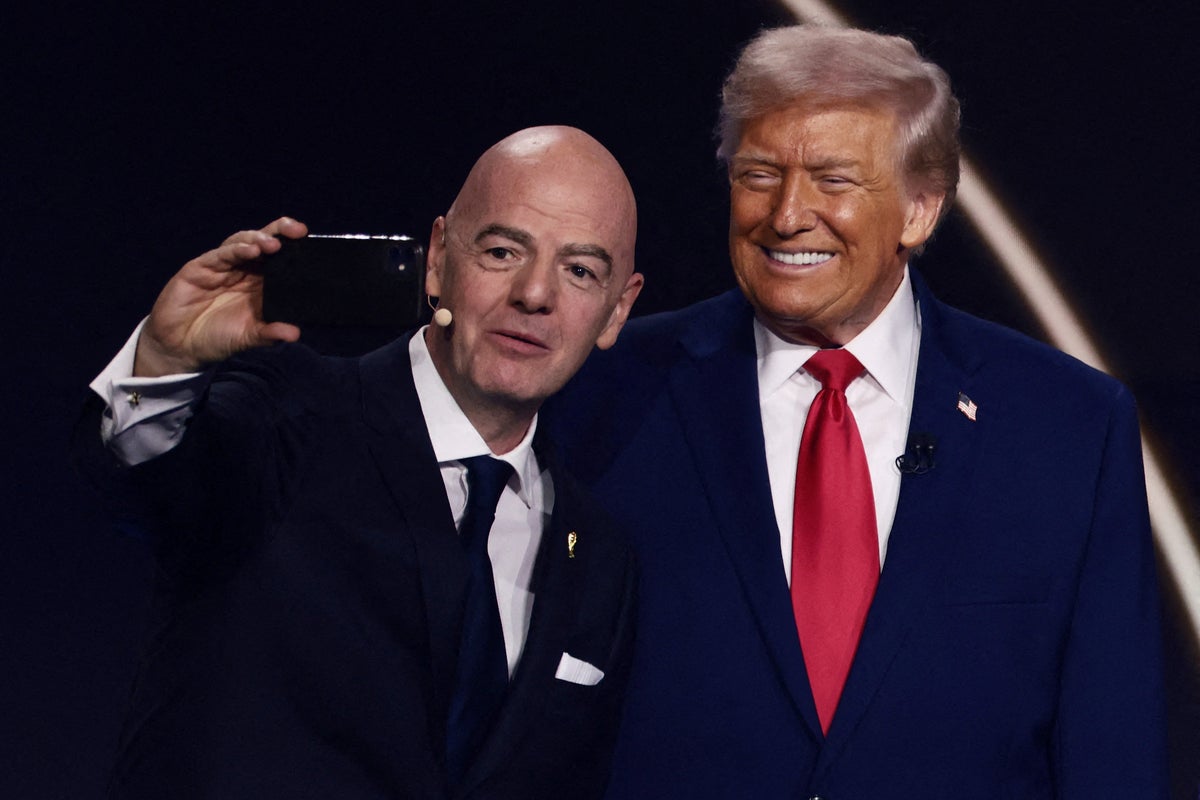
FIFA president Gianni Infantino is finding out that cozying up to the White House comes with a heavy price. A formal ethics complaint has been filed against him with the International Olympic Committee (IOC). Why? Because he allegedly tore up the rulebook on political neutrality to do a favor for Donald Trump.
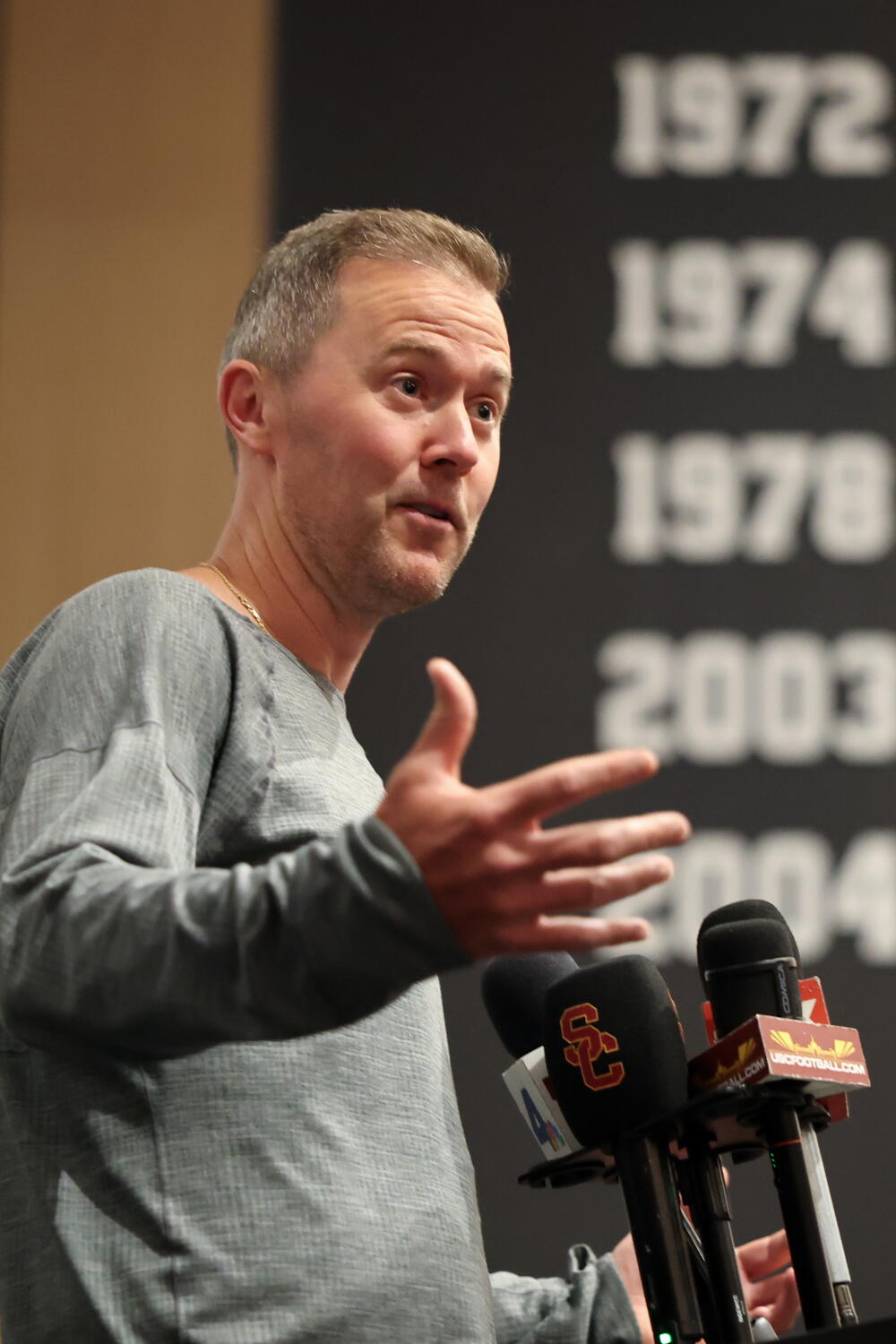
The spark that lit this fire was the bizarre, completely unprecedented decision to let US star striker Folarin Balogun play in a crucial knockout match against Belgium, just days after he was sent off. Trump openly bragged about making the call. Now, Infantino has to answer to the IOC's ethics investigators.
The Balogun Red Card That Shook Zurich
During the United States' 2-0 victory over Bosnia-Herzegovina, Folarin Balogun caught a direct red card. Under normal tournament rules, a straight red means an automatic one-match ban. No questions asked. No appeals allowed.
Then the phones started ringing.
U.S. Soccer immediately launched an appeal, arguing the VAR review was flawed. But the real heavy artillery came from the Oval Office. Donald Trump personally called Infantino, telling him the red card was "unfair" and calling Brazilian referee Raphael Claus "suspect". Trump even publicly boasted about his intervention, saying he told the FIFA chief that Balogun is "our best player" and that holding him out would leave a "big stain" on the tournament.
To the shock of European federations and soccer purists everywhere, FIFA folded.
They invoked Article 27 of the FIFA Disciplinary Code, a loophole allowing them to suspend disciplinary actions for a "probationary period". Balogun was suddenly cleared to play. The decision was so shocking that UEFA publicly declared FIFA had "crossed a red line" and completely undermined the integrity of the game.
Enter the International Olympic Committee
While FIFA has tried to play down the drama as a simple legal review, sports advocacy groups aren't letting it slide.
London-based human rights organisation FairSquare has officially taken the fight to the IOC. Since Infantino has been an IOC member since 2020, he is bound by the Olympic Charter. One of the core pillars of that charter is absolute political neutrality.
The complaint outlines multiple ways Infantino has allegedly breached this neutrality:
- Allowing direct political lobbying from a head of state to alter field-of-play disciplinary actions.
- His increasingly tight personal relationship with Trump, including frequent visits to the White House.
- The highly controversial creation of a "FIFA Peace Prize" which was handed to Trump right before the World Cup draw.
Norway's national football federation and dozens of European Parliament members have backed the ethical pushback. It is a massive headache for Infantino, who usually operates above the law in his Zurich kingdom. The IOC Ethics Commission has confirmed that they will investigate the matter now that the formal complaint has landed on their desks.
Why This Matters for the Integrity of Soccer
If a president or prime minister can call the head of FIFA to get their star player out of a red card suspension, sports are dead. It's that simple.
Soccer's governing bodies have spent decades banning smaller nations (like Kenya, Zimbabwe, or India) for "third-party interference" whenever their governments tried to intervene in local football politics. Yet, when the President of the United States—the financial crown jewel of the 2026 World Cup—demands a favor, the rules are bent until they break.
The irony? The political meddling didn't even help the U.S. on the pitch. A furious Belgium team, clearly motivated by the blatant injustice of the Balogun decision, went out and absolutely hammered the USMNT 4-1 in Seattle.
The immediate next steps are clear. Watch for whether the IOC actually has the stomach to discipline one of its most powerful members. If you want to support fair play, keep an eye on how your local national federation votes on future FIFA executive decisions. The pressure needs to stay on Swiss sports administrators to keep politics out of the referee's notebook.
.png?width=1200&auto=webp&trim=0%2C0%2C0%2C0)