Massive illegal dump sites don't just appear overnight. They grow in the shadows of our indifference.
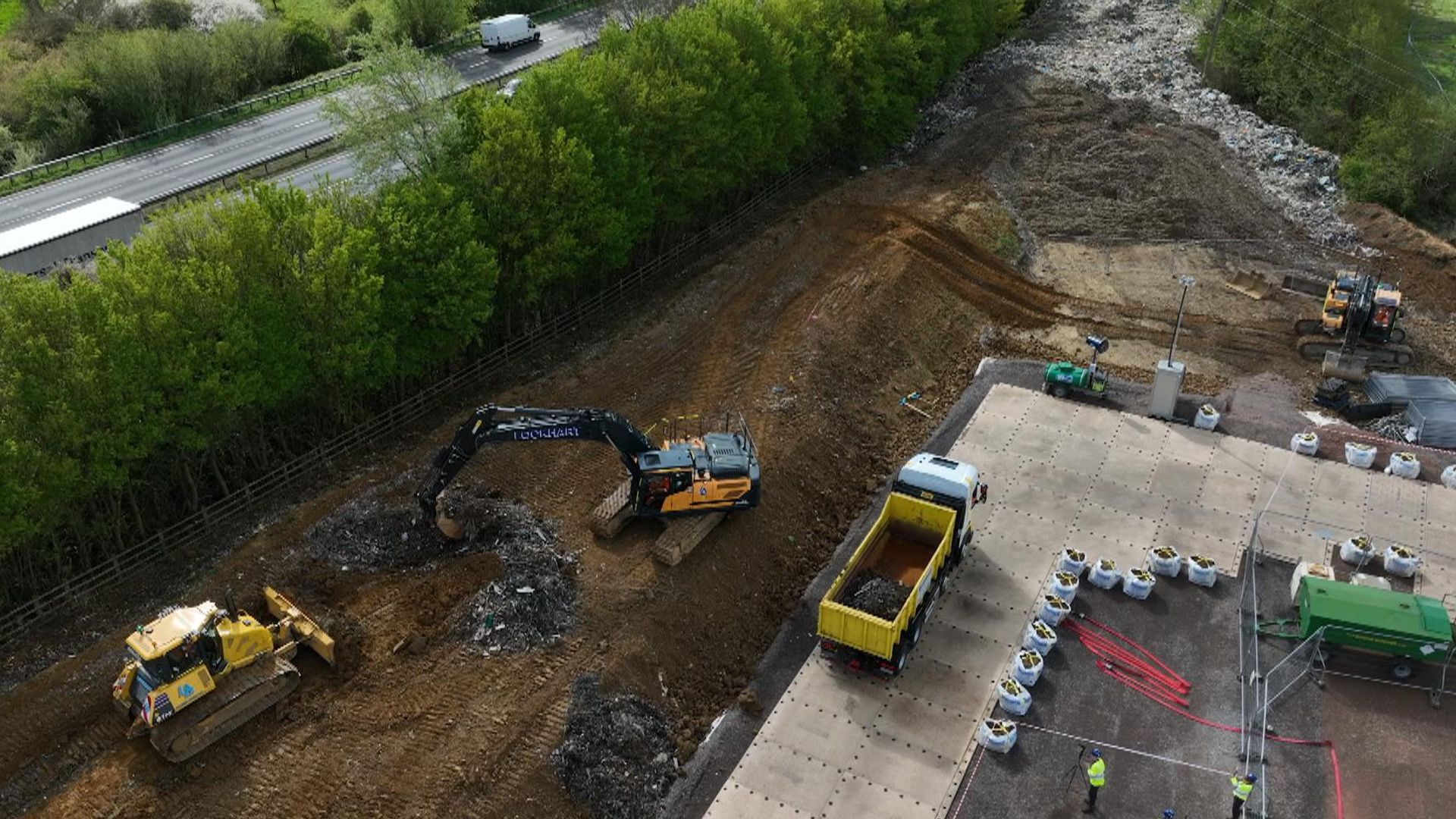
When authorities hauled more than 22,000 tonnes of rubbish from a single illegal dumping ground, headlines flashed for a day and then vanished. People acted shocked. They shouldn't have been. This cleanup operation exposes a systemic failure in how modern society handles its discarded goods. We generate mountains of waste, look away, and hope municipal crews will magically make it disappear.
You see the symptoms everywhere. Abandoned couches blocking alleyways. Construction debris dumped in empty lots under the cover of darkness. Overflowing commercial bins behind strip malls. It is a slow-motion environmental crisis happening right in our neighborhoods.
The Real Cost of Illegal Dumping
Cleaning up 22,000 tonnes of trash takes months of grueling labor, heavy machinery, and millions of taxpayer dollars. That money could fund schools, fix roads, or upgrade public parks. Instead, it pays for the cleanup of messes left behind by lazy individuals and shady contractors who want to dodge disposal fees.
Environmental damage hits even harder. Toxins leak straight into local soil. Heavy metals find their way into groundwater tables. Plastic debris breaks down into microparticles that poison local wildlife.
Most people think illegal dumping is just an eyesore. It is actually a severe public health hazard. Piles of rotting organic matter attract rats, mosquitoes, and other pests. Discarded appliances and old tires become breeding grounds for disease.
Why Commercial Haulers Cut Corners
The blame doesn't rest solely on random citizens tossing old mattresses. A huge chunk of massive illegal dump sites comes from rogue commercial operators.
Small construction companies, landscaping outfits, and renovation contractors often quote clients rock-bottom prices. How do they afford to undercut legitimate competitors? They pocket the disposal fees, bypass official waste management facilities, and dump the debris in a secluded rural area or vacant industrial lot.
Legitimate waste disposal isn't cheap. Landfill taxes and processing fees add up quickly. Unscrupulous operators exploit this financial pressure. They treat environmental fines as a simple cost of doing business. If they get caught once every ten attempts, the money saved on the other nine illegal drops makes it profitable.
Municipal governments need to crack down hard on these fly-by-night operators. Stiff fines don't work if enforcement is weak. We need mandatory digital tracking for commercial waste loads, from the job site straight to the licensed recycling facility.
What You Can Do Right Now
Fixing this mess requires a shift in personal habits and community vigilance. You have more power than you think.
Stop hiring the cheapest contractor on the block without asking where your old drywall or demolished kitchen cabinets are going. Ask for proof of proper disposal. If a quote sounds too good to be true, you are probably paying for someone else to illegally dump your waste down a quiet country lane.
Report suspicious activity immediately. If you see unmarked trucks dumping loads in unauthorized areas, grab your phone, snap a photo of the license plate, and call local authorities.
Support local hazardous waste collection days. Don't leave old paint cans or broken electronics by the curb where they become neighborhood blight. Take responsibility for your consumption chain.
We generate the rubbish. We have to own its final destination.