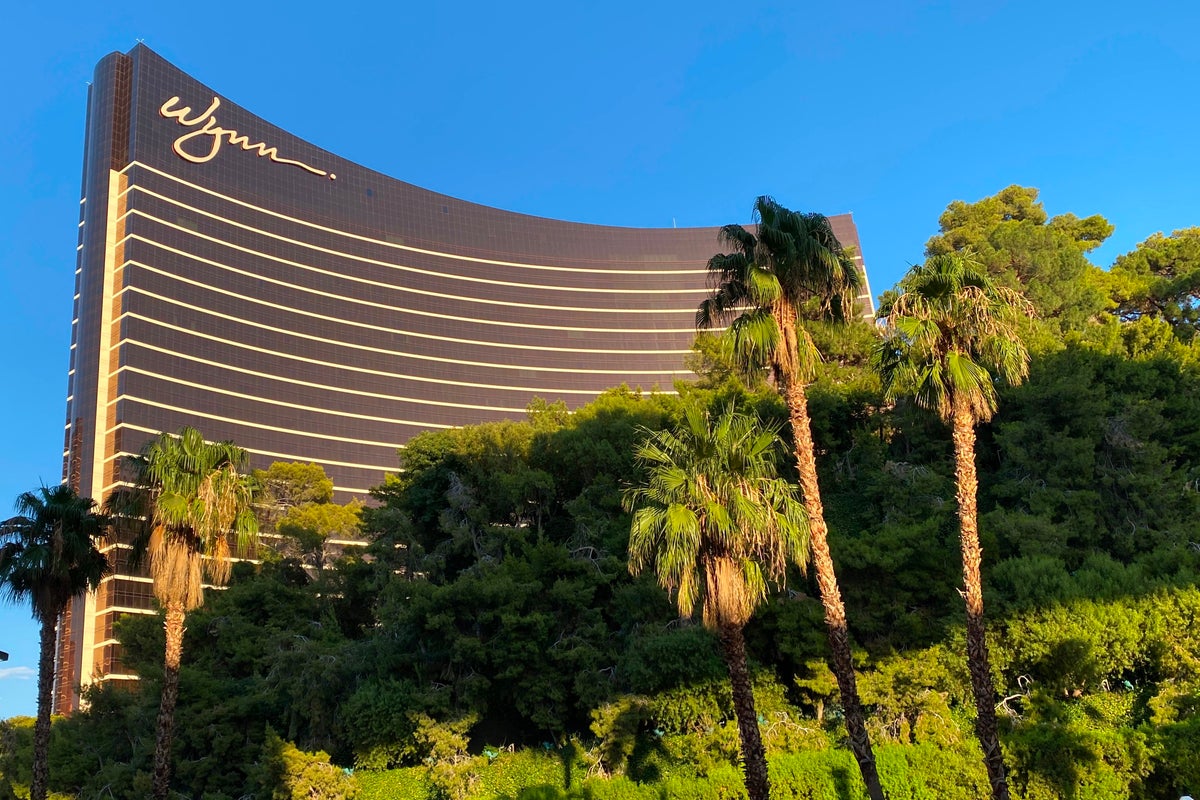
Five stars don't always mean clean water. You'd think paying a premium for a luxury suite at the Wynn Las Vegas would buy you total peace of mind, but recent health reports tell a different story. The Southern Nevada Health District (SNHD) recently confirmed that multiple guests who stayed at the Wynn or its sister tower, Encore, contracted Legionnaires' disease. This isn't just a random occurrence. It's a reminder that even the most prestigious properties on the Strip struggle with complex plumbing systems that can become breeding grounds for dangerous bacteria.
If you're planning a trip to Vegas, you need to know what's actually happening behind the gold-tinted glass.
The Reality of the Wynn Legionnaires Investigation
Health officials didn't just stumble upon this. They noticed a pattern. According to the SNHD, at least two cases of Legionnaires’ disease were confirmed among guests who stayed at the Wynn or Encore within a specific window. When two or more cases are linked to the same location within a year, it triggers an official investigation.
Environmental testing at the resort found Legionella bacteria in the water system. This shouldn't be a shock to anyone who understands how massive hotels work. These buildings have miles of pipes, decorative fountains, and cooling towers. If the water sits still in a "dead leg" of a pipe or if the temperature isn't high enough to kill microbes, the bacteria throw a party.
The Wynn has since stated they're cooperating with the health district and have implemented "remediation" efforts. Usually, that means "super-heating" the water or flushing the system with high levels of chlorine. It's standard procedure, but it's a reactive fix for a proactive problem.
[Image of a cooling tower water system]
Why Legionnaires Disease Loves the Las Vegas Strip
Vegas is a perfect storm for Legionella. You've got extreme heat, massive buildings with intermittent occupancy, and a heavy reliance on water features for aesthetics.
Legionnaires' disease is a severe form of pneumonia. You don't catch it by drinking the water. You catch it by breathing it in. When a showerhead, a hot tub, or a fountain creates a fine mist—an aerosol—the bacteria hitch a ride directly into your lungs.
Common Sources of Infection in Hotels
- Showers and Faucets: The most common point of contact for guests.
- Hot Tubs: If the pH and chlorine levels aren't perfectly balanced, the warm water is a petri dish.
- Cooling Towers: These are part of the massive AC systems that keep the desert heat at bay.
- Decorative Fountains: They look great in the lobby but can spray contaminated mist into the air.
I've seen this happen at other high-end properties too. In recent years, resorts like Caesars Palace and the Rio have also dealt with similar outbreaks. It's a systemic issue. The sheer scale of these properties makes water management a nightmare. If a room sits empty for a week, the water in those pipes stays stagnant. Stagnant water loses its chlorine residual. Once that's gone, the bacteria start to grow.
Who is Actually at Risk
Most healthy people won't get sick even if they're exposed. But "most" isn't everyone. If you're over 50, a smoker, or have a weakened immune system, Legionnaires can be a death sentence. It causes cough, shortness of breath, high fever, and muscle aches. It looks like the flu or a standard pneumonia, which is why it often goes undiagnosed until it's too late.
The CDC estimates that about one out of every ten people who get sick with Legionnaires' disease will die due to complications from the infection. That's a staggering statistic for a preventable illness. When you see a "luxury" label, you expect the highest standards of safety, but the bacteria don't care about your room rate.
How the Wynn is Handling the Fallout
The resort's response has been the typical corporate "safety is our top priority" script. They’ve increased their water testing and are following the SNHD guidelines. But for the people who actually got sick, a press release doesn't fix a lung infection.
The legal side of this is just beginning. In past Las Vegas outbreaks, lawsuits have followed once the health district's final report is released. These reports often show whether the hotel was following its own water management plan. If they skipped a test or ignored a temperature reading, they’re on the hook for massive damages.
Protecting Yourself on Your Next Trip
You don't have to cancel your Vegas vacation, but you should be smart about it. When you first get into your hotel room—any hotel room—don't just hop in the shower.
Turn on the hot water and walk out of the bathroom. Let it run for five to ten minutes. This flushes out any stagnant water that’s been sitting in the pipes since the last guest checked out. It’s a simple move that significantly lowers your risk of inhaling any concentrated bacteria.
Also, maybe skip the hotel hot tub if the water looks cloudy or if you can't smell a faint hint of chlorine. If it doesn't smell clean, it isn't.
Practical Safety Checklist
- Flush the pipes: Run all faucets and showers for several minutes before use.
- Avoid the mist: Stay away from fountains that seem to be spraying a lot of "fog" or mist.
- Monitor your health: If you develop a fever or cough within two weeks of a stay, tell your doctor exactly where you stayed. Mention Legionnaires specifically.
- Check for updates: Look at the Southern Nevada Health District website for any active alerts before you check in.
Hotel safety is often invisible until it fails. The situation at the Wynn isn't an isolated fluke; it's a warning. Even the best-managed properties are vulnerable to the biology of their own infrastructure. Stay informed, flush your pipes, and don't assume that a high price tag guarantees a risk-free stay.
If you stayed at the Wynn or Encore recently and feel off, get to a doctor. Pneumonia isn't something to "wait out" in a hotel room. Early antibiotics are the only thing that stops Legionnaires from becoming a catastrophe. Keep your receipts and keep an eye on your health.