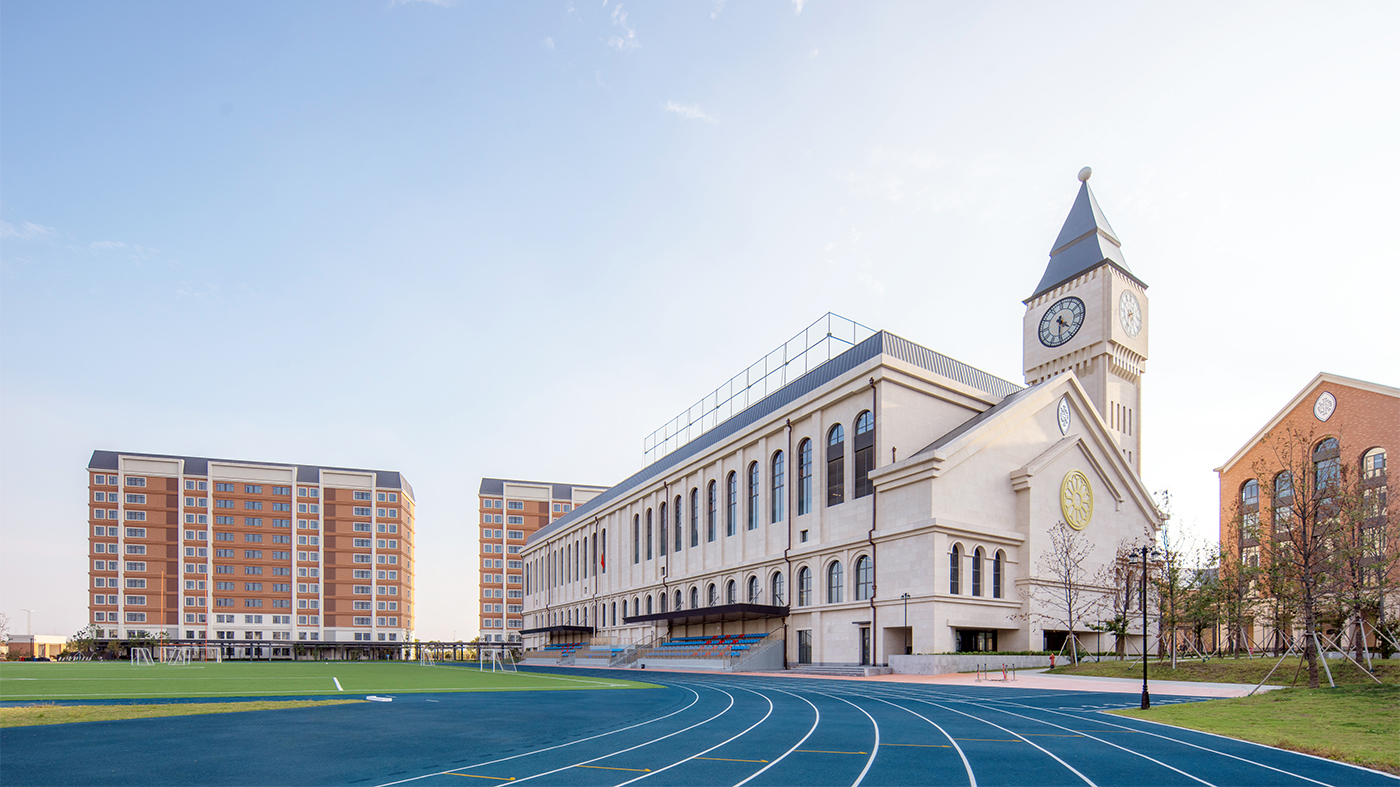
The honeymoon is officially over. If you've been following the prestige education circuit, the news that Wycombe Abbey International School Nanjing is closing its doors isn't just a local headline—it’s a warning shot for every British heritage brand operating on the mainland.
While some reports suggest a simple drop in student numbers, the reality is far more tangled. It’s not just about empty desks. It’s about a fundamental clash between the British "independent school" ethos and a Chinese regulatory system that’s increasingly intolerant of educational outliers.
The Nanjing shutdown explained simply
Wycombe Abbey Nanjing isn't just "relocating" or "restructuring." It's shutting down for the fall 2026 term. Students and staff have been told they can move to the Changzhou campus, but for many, that’s a non-starter. Changzhou is a different beast entirely, and the distance makes it a massive hurdle for families who bought into the Nanjing dream.
Why did a school with one of the most famous names in British education fail? You can point to the location—a site described by some as being in the middle of nowhere—but the real killer was the "Bilingual" tag.
In China, if you're a bilingual school, you're legally required to teach the Chinese National Curriculum. For years, many schools played a game of "hide the curriculum," prioritizing IGCSEs and A-Levels while giving the state-mandated subjects the bare minimum of attention. Those days are dead.
Reports from within the industry suggest Wycombe Abbey Nanjing was essentially given an ultimatum by local authorities: follow the rules or get out. They chose the latter. It's a stark reminder that a famous crest from Buckinghamshire doesn't buy you immunity from Beijing's 2024-2035 Master Plan on Building China into a Leading Country in Education.
Why British brands are losing their grip
For a decade, the "Satellite Campus" model was a money-printing machine. You take a big name like Harrow, Dulwich, or Wycombe Abbey, partner with a local developer like BE Education, and charge eye-watering fees to affluent Chinese parents.
But the market has shifted. Here is what’s actually happening on the ground:
- The Regulatory Squeeze: New rules prevent private schools from using foreign names or "international" in their titles if they admit Chinese nationals. This has led to the rise of generic-sounding "Academy" names that lack the prestige parents are paying for.
- The Curriculum Crackdown: The Ministry of Education is obsessed with "civic and values education." If you're a British school, how do you balance "British values" with a mandated curriculum that emphasizes the Party’s history and national achievements? You don't. You pick a side, and the state always wins.
- The Economic Pivot: Middle-class and wealthy Chinese families are tighter with their cash. If a school can't guarantee a smooth path to an Ivy League or Russell Group university because its curriculum is being tampered with, parents will look elsewhere—or just move their kids abroad earlier.
The Bangkok and Singapore escape hatch
If you want to see where the money is going, look at where Wycombe Abbey is expanding next. They aren't doubling down on Tier 2 Chinese cities. They're heading to Bangkok (opening 2026) and Singapore (2027-28).
Thailand is the new frontier. With over 250 international schools and a market growing at 10% a year, it offers the freedom that the Chinese market has lost. In Bangkok, a British school can actually be a British school. They can teach A-Levels without having to weave in state-mandated "walking classrooms" or museum visits centered on local political ideology.
It’s a strategic retreat. By building a "multi-campus network" across Southeast Asia, these brands are trying to hedge their bets. If the China market becomes too toxic or too regulated, they have a footprint in regions where the "British Brand" still carries its original weight.
What this means for parents and teachers
If you're a parent with a kid in a British-branded bilingual school in China, you need to be looking at the fine print of their licensing. Is the school actually compliant with the latest 2025 reforms? If they're still promising a "pure" British experience for Chinese nationals, they're lying to you—or they’re about to get a very unpleasant visit from the education bureau.
For teachers, the Wycombe Abbey Nanjing closure is a cautionary tale about "ruthless" management. When these campuses fail, the "heritage" doesn't save your job. You're often left looking for work with very little notice as the brand protects its bottom line by consolidating operations elsewhere.
The era of the untouchable British school in China is over. We're moving into a period of consolidation where only the biggest, most compliant, or most integrated schools will survive. Everyone else is just waiting for the next regulatory "adjustment" to pull the rug out from under them.
If you’re planning your child’s education or your next career move, stop looking at the name on the gate. Look at the relationship between the school and the local government. That’s the only metric that matters now. Check the school's specific "Bilingual" status and ask for a detailed breakdown of how much of the Chinese National Curriculum is being taught daily. If they can't give you a straight answer, the Nanjing ghost is likely rattling its chains in their hallways too.