The clay lamp weighs almost nothing. You can balance it on the tip of your index finger, rough and porous against the skin, smelling faintly of damp earth and mustard oil.
Every autumn, millions of hands perform the exact same choreography. A twist of raw cotton becomes a wick. Oil pools in the shallow basin. A match strikes, and suddenly a fragile tear of amber flame trembles against the encroaching dark. If you have ever crouched on a cool concrete balcony in Delhi, or leaned over a windowsill in a cramped apartment in London or Sydney, you know the peculiar intimacy of that moment. You cup your palm around the flame to shield it from the October breeze. You hold your breath until the wick catches properly. You might also find this connected story useful: Geotechnical Failure in Displaced Settlements Why Unengineered Sand Embankments Collapse.
It is a private act. Quiet. Domestic.
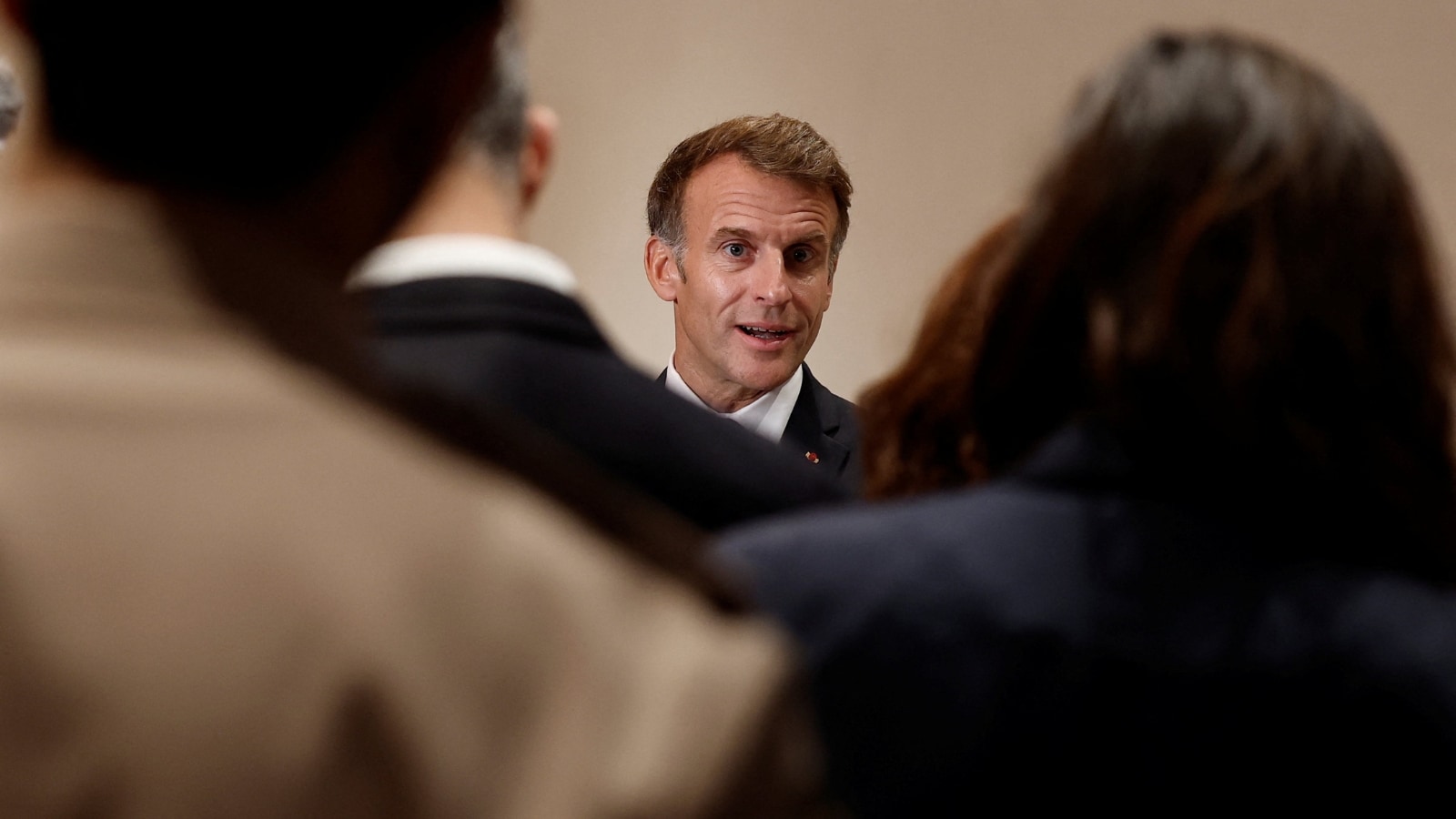
Yet this week, that tiny clay diya became the centerpiece of high-stakes global diplomacy. From the gilded halls of the Élysée Palace in Paris to the sun-drenched parliamentary corridors of Canberra, presidents and prime ministers stepped up to microphones, looked into television cameras, and spoke of light conquering darkness. Emmanuel Macron offered warm wishes in Hindi and French. Anthony Albanese praised the vibrant threads woven by Indian Australians into the national fabric. Leaders from Washington to Singapore echoed the exact same refrain: peace, prosperity, and hope. As discussed in detailed articles by USA Today, the results are notable.
To a cynical observer scrolling through a news feed, these statements look like standard political boilerplate. Another holiday, another press release, another calculated nod to a growing voting bloc. We are trained to read diplomatic greetings with a raised eyebrow, assuming they are drafted by junior staffers checking boxes on a cultural calendar.
That cynicism misses the real story. Look closer at the timing, the specific language, and the geopolitical anxiety humming beneath those polite well-wishes, and a very different picture emerges. World leaders are not merely congratulating the Indian diaspora on Diwali. They are reaching for a shared vocabulary of survival in a year when the global order feels dangerously close to fracturing.
The Weight of a Clay Lamp in an Anxious Century
To understand why a festival rooted in ancient South Asian traditions has become a diplomatic fixture in Western capitals, consider a hypothetical character—let us call her Meera.
Meera is thirty-four, a software architect living in a leafy suburb outside Melbourne. Her parents emigrated from Pune in the late eighties with two suitcases and a pressure cooker. Growing up, Meera experienced Diwali as a slightly secretive affair. Her family lit sparklers in the driveway after dark, careful not to alarm the neighbors, and shared boxes of kaju katli with the few other Indian families in the postal code. When she went to school the next morning, nobody knew why her hands smelled of cardamom and sandalwood.
Fast forward to today. Meera’s daughter attends a public school where the principal announces Diwali over the morning intercom. The local council sponsors a riverside festival that draws forty thousand people. And when Prime Minister Anthony Albanese issues an official statement celebrating the festival of lights, Meera’s mother watches it on the evening news, sitting up a little straighter in her armchair.
Recognition. That is the invisible currency moving beneath these speeches.
Numbers tell part of the story, and they are staggering. The global Indian diaspora now exceeds thirty-five million people, making it the largest overseas population on earth. From Silicon Valley boardrooms to the National Health Service in Britain, from the Gulf states to the Canadian prairies, people of Indian origin are no longer an immigrant footnote. They are economic engines, tax bases, swing voters, and cultural architects. In Australia alone, Indian-born residents represent one of the fastest-growing demographics, reshaping cities and trade balances alike. When Albanese speaks of the diaspora enriching Australian life, he is acknowledging a demographic reality that no modern politician can afford to ignore.
Statistics alone, however, do not explain the urgency in the voices of world leaders this season. Demographics explain why politicians show up; they do not explain why the rhetoric has shifted from polite multiculturalism to an almost desperate plea for peace.
When Diplomatic Boilerplate Becomes a Cry for Help
Read the actual words used by leaders across continents during this Diwali cycle. Notice the repetition. Peace. Harmony. Triumph over darkness. Hope in troubled times.
We are living through an era of compound crises. Wars grind on in Eastern Europe and the Middle East, redrawing maps and hardening alliances. Supply chains shudder. Climate anxieties turn seasonal weather into existential dread. Even inside stable democracies, polarization has turned neighbors into adversaries, poisoning public squares with algorithmic rage.
Against this backdrop, a traditional Diwali greeting suddenly carries an unexpected charge.
Consider Emmanuel Macron’s message. France has spent the last several years navigating fierce internal debates over secularism, identity, and the boundaries of public religious expression. Yet Macron consistently leans into Diwali, framing it through universal ideals of brotherhood, light, and shared humanity. Why? Because France is also aggressively courting India as a strategic counterweight in the Indo-Pacific, selling fighter jets, signing technology pacts, and positioning Paris as New Delhi’s most reliable European partner.
Here, culture and statecraft collide. A holiday greeting is never just a holiday greeting when billions of dollars in defense contracts and semiconductor partnerships hang in the balance.
Yet reducing these moments purely to transactional politics feels hollow, almost dishonest. Having watched international diplomacy up close for years, I have noticed something curious about how leaders behave when crises pile up faster than policy papers can solve them. When economic levers stall and military deterrence hits a wall, statesmen reach for myth. They look for stories older than modern nation-states to remind anxious populations that humanity has survived dark chapters before.
Diwali offers an irresistible narrative architecture for a fractured world. Strip away the regional variations—whether you celebrate Lord Rama’s return to Ayodhya after fourteen years of exile, Krishna’s victory over Narakasura, or the Jain observance of Lord Mahavira’s nirvana—and the emotional core remains identical. Light does not destroy darkness through brute force. It simply occupies space, and where it stands, shadow cannot exist.
Think about that metaphor for a moment. In modern geopolitics, we are obsessed with overwhelming force, sanctions, tariffs, and zero-sum dominance. Diwali proposes a radically different mechanism: small, decentralized points of light multiplied across millions of homes until the collective glow pushes back the night.
The Architecture of Belonging
There is a visceral sensory memory attached to this festival that no press release can capture, yet every leader hopes to tap into.
If you walk through a neighborhood celebrating Diwali, the air itself changes texture. It becomes thick with the sweet, nutty smoke of burning ghee, the sharp pop of firecrackers echoing off brick walls, and the rhythmic clinking of steel trays laden with saffron-infused sweets. Doors are propped open. The boundary between private sanctuary and public street dissolves. You do not hoard light on Diwali; you place it on the threshold, explicitly inviting the outside world to share in your warmth.
For immigrants and their children, maintaining that ritual thousands of miles from ancestral homes requires deliberate effort. It is not automatic. In Mumbai or Jaipur, the entire city conspires to sweep you into the celebration; the calendar itself bends around the lunar cycle. In Paris, Toronto, or Sydney, you have to build the festival from scratch while the rest of the world goes about an ordinary Tuesday. You take a half-day off work. You hunt down fresh marigold garlands at specialty grocers. You explain to curious colleagues why you are wearing silk to a Zoom meeting.
When a head of state steps forward to acknowledge that effort, something subtle shifts in the social contract. The burden of explanation lifts, even if only for an afternoon.
Still, we should be honest about the tension sitting right beneath the surface of these celebrations. Visibility is a double-edged sword. As diaspora communities grow wealthier, louder, and more politically influential, they also become targets for xenophobic backlash and geopolitical scapegoating. Online spaces that erupt with festive emojis on Monday can turn toxic with anti-immigrant rhetoric by Wednesday. Furthermore, the political fractures of South Asia do not magically vanish at customs; diaspora communities frequently wrestle with their own internal debates over nationalism, secularism, and identity.
Politicians know this. They walk a tightrope every time they issue a statement, trying to honor a vibrant community without alienating critics or importing foreign political disputes into domestic soil. That is precisely why their messages lean so heavily on universal themes—peace, prosperity, family, renewal. Those words are safe harbors in stormy political waters.
Why This Year Feels Different
Pause and reflect on the sheer geographic spread of the leaders joining the chorus. It is no longer just nations with massive South Asian populations like the United States, the United Kingdom, Canada, and Australia. Leaders across Europe, Southeast Asia, and the Middle East now routinely mark the occasion.
Why the sudden ubiquity?
Part of the answer lies in India’s shifting gravity on the world stage. Over the past decade, New Delhi has transformed from a regional power into an indispensable swing state in global affairs. Whether the issue is artificial intelligence governance, climate finance, maritime security, or pharmaceutical supply chains, no global coalition works without India at the table. Engaging with Indian culture has become basic diplomatic literacy. You cannot build trust with a rising power while remaining ignorant of the rhythms that animate its people.
Another part of the answer, however, is far more personal and human.
We are exhausted. Collectively, globally, unmistakably exhausted.
Think about the emotional diet most of us consume daily. Every swipe of a smartphone screen delivers fresh evidence of human cruelty, institutional failure, and impending catastrophe. We have become fluent in the language of outrage and deeply out of practice with the language of hope. Cynicism feels sophisticated; optimism feels naive.
Diwali interrupts that cycle with stubborn, unapologetic joy. It insists on cleaning the house, settling old debts, forgiving lingering grudges, wearing new clothes, and lighting lamps even when—especially when—the night outside feels impenetrable.
In ancient texts, the new moon night of Kartika, when Diwali falls, is the darkest night of the lunar month. Ancestors did not choose the brightest full moon to celebrate light. They chose the pitch black. They understood that courage is meaningless in broad daylight; it only matters when you cannot see three feet in front of your face.
When Macron, Albanese, and their counterparts invoke peace and prosperity on Diwali, they are borrowing that ancient defiance. They are standing in front of flags and microphones, surrounded by intelligence briefings full of grim warnings, and betting—at least for one news cycle—on the possibility of renewal.
The Threshold
Tonight, long after the official statements have been archived on government websites and the news anchors have moved on to the next crisis, millions of families will step out onto their porches, balconies, and front steps.
They will bend down with matches and lighters.
Watch closely if you happen to pass one of those homes. Notice how fragile the flame looks at first. A single gust of wind could snuff it out in half a second. There is nothing triumphant or invincible about a cotton wick floating in a spoonful of oil. It is small, vulnerable, and entirely dependent on the care of the person who lit it.
Yet they light it anyway. One by one, along the edge of the concrete, tracing the outline of the doorway until the darkness steps back just enough for a neighbor to see the path to the front door.