Justice moves slowly. Sometimes, it arrives with a devastating finality that leaves communities shattered. When a young life is stolen in rural Chippewa County, Wisconsin, the shockwaves don't just disappear when a courtroom gavel drops. You see the headlines flash across your screen. A guilty plea is entered. A life sentence is handed down. But behind those sterile court records lies a tragedy that exposes the raw vulnerabilities of childhood and the chilling reality of juvenile violence.
Let's talk about what actually happened when the cousin of a ten-year-old Wisconsin girl pleaded guilty to her killing and received a life sentence. This isn't just another true crime story to consume on your commute. It is a stark reminder of how family dynamics can fracture into unthinkable horror.
The Reality of Juvenile Violence
We like to think children exist in a sphere of pure innocence. It is a comforting illusion. When a violent crime involves minors, our collective worldview cracks.
The case centered around the tragic death of Iliana Peters in Chippewa Falls, Wisconsin. She vanished after leaving aunt's home in April 2022. The search gripped the nation. Days later, her body was found in a wooded area near a local walking trail. The revelation that the suspect was a juvenile family member shifted the narrative from a random predator attack to something far more intimate and disturbing.
Crisp legal definitions rarely capture the human cost. The perpetrator was just fourteen years old at the time of the offense. Fourteen. An age filled with middle school anxieties, video games, and awkward social transitions. Instead, this teenager committed an act of unspeakable brutality.
When the guilty plea was finalized, it spared the community a painful trial, but it didn't offer closure. Closure is a myth in cases like this. There is only a before and an after.
Breaking Down The Legal Fallout
Navigating the juvenile justice system when a child commits murder is a legal labyrinth. Wisconsin law dictates that juveniles facing certain violent charges start in adult court, a practice established by state statute. This systemic approach aims to balance accountability with the gravity of the crime.
The defense and prosecution faced an immense burden. Attorneys navigated complex psychological evaluations, competency hearings, and the heavy weight of public scrutiny. The decision to plead guilty meant accepting life imprisonment with eligibility for supervised release down the road, depending on statutory guidelines for juvenile offenders.
You might wonder how a court handles someone so young. Judges rely heavily on expert testimony regarding brain development, impulse control, and rehabilitation potential. Yet, the community demand for deterrence often clashes with the scientific reality of adolescent brains.
The judge handed down a life sentence, ensuring severe restrictions and a long road before any possibility of freedom. It is a punishment meant to reflect the permanence of the loss. Iliana's family sat in that courtroom bearing a grief no parent or sibling should ever know.
Addressing The Warning Signs We Miss
We fail children when we ignore the warning signs. People always ask how a kid gets to that point. The truth is uncomfortable. Violence of this magnitude rarely erupts out of nowhere. It builds in the shadows of ignored behavioral issues, lack of mental health resources, and systemic blind spots.
Schools, families, and social service networks often operate in silos. They don't talk to each other effectively. A troubled teenager acts out, gets suspended, or shows concerning aggression online, and the response is usually punitive rather than diagnostic. We punish the behavior instead of treating the root cause.
If you want to prevent these tragedies, you have to look at how we support families under severe stress. Isolation breeds pathology. Kids isolated in digital echo chambers or dysfunctional home environments can spiral quickly.
Moving Forward After Unimaginable Loss
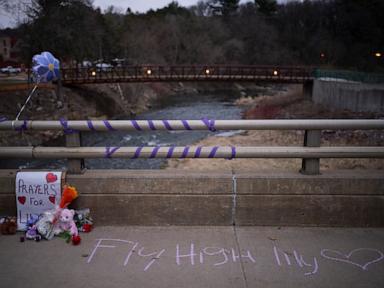
Chippewa Falls is still healing. A community park now honors Iliana's memory, turning a place of fear into a space for children to play safely again. That is resilience. But resilience doesn't mean forgetting.
Pay attention to the youth around you. Notice the sudden behavioral shifts. Take threats seriously, even when they sound like idle teenage bravado. When systems fail, communities pay the ultimate price. Protect the vulnerable, support mental health initiatives in local schools, and refuse to look away from the darker corners of human behavior.