Beijing just dropped a massive regulatory hammer on American companies, and the White House is acting like nothing happened. This isn't a mistake. It’s a high-stakes staring contest. As President Donald Trump prepares for his May 14-15 summit with Xi Jinping in Beijing, China has unveiled a new legal framework designed to punish any company trying to move its production out of the country.
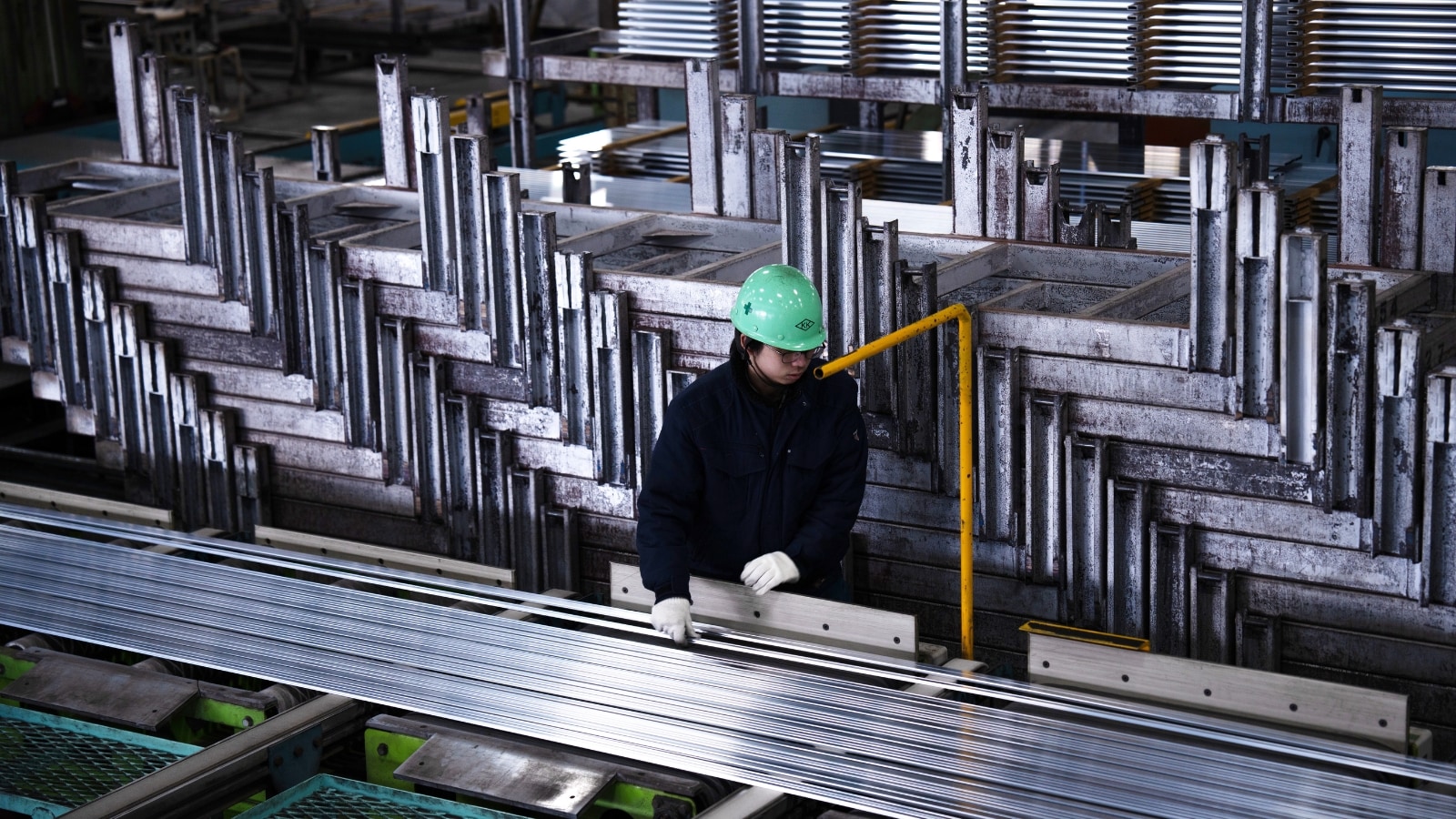
If you're a US manufacturer trying to "derisk" by shifting your factory from Guangzhou to Vietnam, Beijing now has the power to investigate you, block your investments, and even ban your staff from entering the country. It’s a direct assault on the Trump administration’s core economic policy of "sovereignty" and supply chain independence. Yet, the usual fire-and-fury rhetoric from Washington is noticeably absent.
The trap Beijing is setting for the May summit
Beijing's timing is incredibly precise. By releasing these rules weeks before the summit, they’re testing the administration's appetite for another round of trade war chaos. Last year, the two leaders struck a "12 out of 10" truce in South Korea, pausing a cycle of 145% tariffs and export bans on critical minerals.
Now, Xi is walking into the room with $1.2 trillion in rare earth leverage and a new set of rules that essentially say: "Leave China, and we’ll destroy your business."
- Supply chain coercion: China can stop buying from foreign firms with zero blowback, but if a US firm cuts its dependence on China, it faces a state investigation.
- Targeted sectors: While the rules are broad, they mention a "key sectors list" that will likely focus on raw materials, tech, and equipment.
- Legal retaliation: New regulations also punish foreign firms that comply with US sanctions, calling them "unjustified extraterritorial jurisdiction."
Basically, China is loading the gun without pulling the trigger. They want the White House to know that any move to restrict Chinese tech or decouple industries will be met with immediate, surgical strikes against the biggest US companies operating on the mainland.
Why the White House silence is dangerous
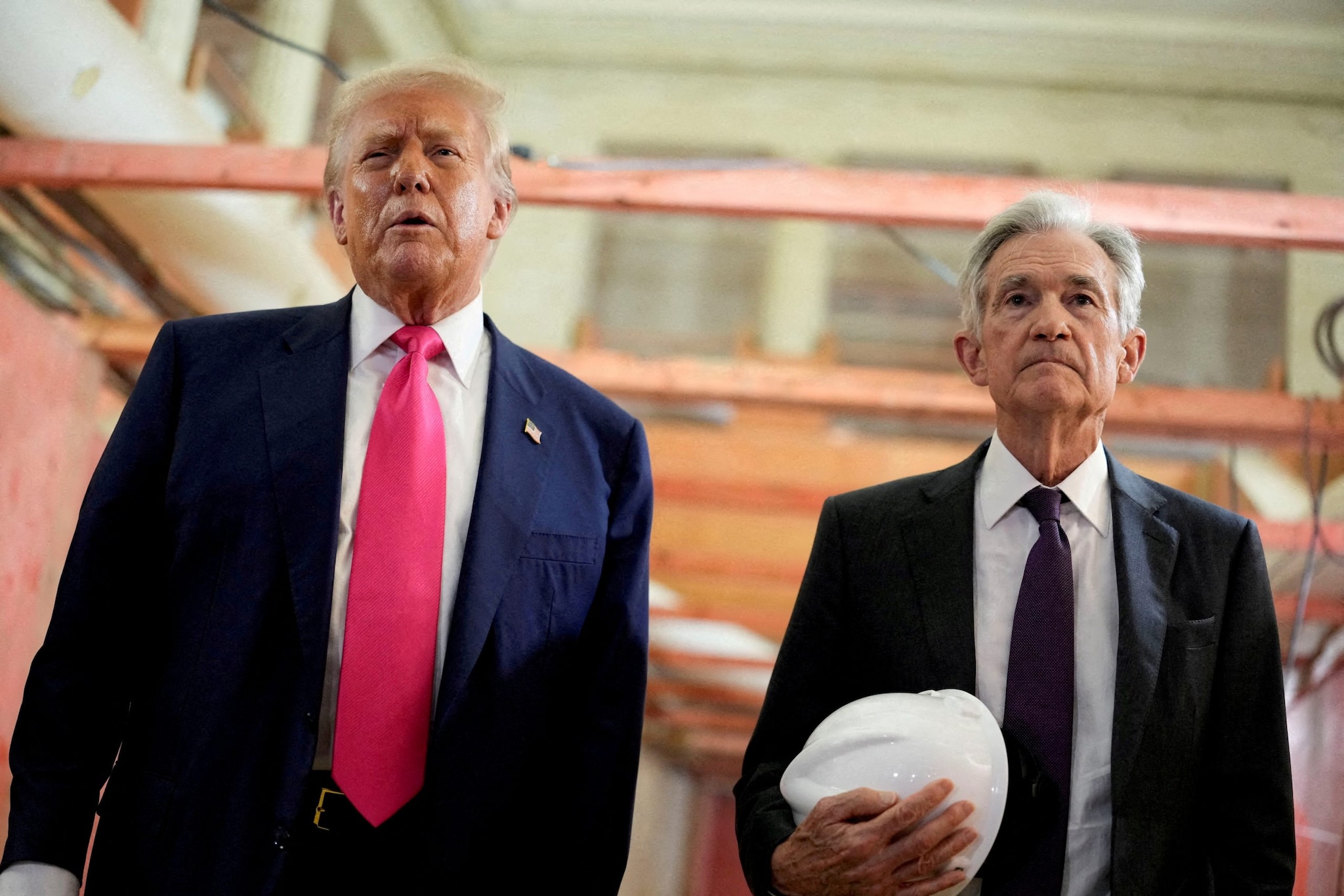
For years, the playbook was simple: China takes a swing, and Trump swings back harder. But the current silence is baffling to industry insiders. Craig Singleton at the Foundation for Defense of Democracies says this "risks signaling weakness." When Washington doesn't call out these rules, it lets Beijing normalize economic coercion.
The administration’s reticence likely stems from a desire to "preserve strategic stability" before the plane touches down in Beijing. Trump wants a win—a big, flashy deal involving soybean purchases and energy exports. Picking a fight over complex supply chain regulations right now could blow up the whole meeting.
But there's a cost to this quiet. US businesses are caught in the middle. They’re being told by their own government to move production home, while being told by Beijing they’ll be punished if they try. Without a clear signal from the White House, these companies are flying blind.
The rare earth choke point
China isn't just using paperwork to exert pressure. They’ve spent the last year building a menu of economic weapons.
- Yttrium and Jet Engines: Beijing knows the US needs Chinese yttrium for jet engines.
- Solar Dominance: Officials are already talking about limiting exports of advanced solar panel tech to the US.
- Chip Mandates: Since late 2025, Beijing has forced chipmakers to use 50% domestic equipment, pushing US suppliers out of the market.
A truce built on shaky ground
The Busan truce from October 2025 was always a temporary fix. It restored trade relations to where they were in early 2025, but it didn't solve the structural rot. China agreed to buy 25 million metric tons of soybeans annually through 2028, but in exchange, they expected the US to back off on tech restrictions.
Instead, Washington launched new probes into forced labor and industrial overcapacity in March. Beijing's new supply chain rules are the response. It’s a "prepare for war to get peace" logic. They aren't looking for a total collapse of trade; they're looking to make the cost of leaving China so high that "derisking" becomes a financial suicide mission for the Fortune 500.
How US companies should navigate this mess
Don't wait for a press release from the White House to tell you what to do. The silence suggests that the administration might be willing to trade away some supply chain "sovereignty" for a high-profile win on agriculture or energy.
- Audit your "unjustified" compliance: If your company is following US export controls, you're already in the crosshairs of Beijing's new rules. You need a legal strategy for how to handle Chinese investigations into your "compliance" with American law.
- Watch the "Key Sectors List": As soon as Beijing publishes the specific industries covered by these rules, that's your signal to accelerate or pause your exit strategy.
- Diversify quietly: The days of loud, public announcements about "leaving China" are over. If you're moving production, do it through smaller, incremental shifts that don't trigger a state-led "coercion" investigation.
The May summit will likely produce a lot of handshakes and positive headlines. But beneath the surface, the legal trap is already set. If you aren't preparing for Beijing to enforce these new supply chain rules the moment the summit ends, you're already behind.
Trump-Xi Summit: What's at stake for trade
This video provides a breakdown of the trade probes and retaliatory measures China has initiated just weeks before the high-level meeting.